Food & Beverage
Teriyaki Madness bets on value, catering, tech to boost traffic
Teriyaki Madness CEO Michael Haith explains how the brand turned catering into a formal program, uses texting and delivery promos to drive repeat orders, why smaller markets build awareness faster, why its caring culture matters as it grows and why it’s eyeing drone delivery.
November 17, 2026 by Amy Sorter — Writer and Editor, Connect Media
 ChatGPT
 Grok
 Perplexity
 Claude
 Michael HaithCourtesy of Teriyaki MadnessQuick-service restaurant traffic, including fast casual, fell 2.6% year over year in the third quarter of 2026, according to Revenue Management Solutions, Denver-based Teriyaki Madness, which has 229 locations, moved in the other direction: Traffic during the third quarter rose 5.5%, and same-store sales climbed 10.3%.
CEO Michael Haith said the gains are coming from both regulars and newcomers. Product quality, menu innovation and the in-shop experience are bringing existing customers back more often, he said, while word of mouth is drawing new ones.
"We're seeing less of a shift in traditional demographics and more of a shift in consumer preferences," Haith said in an email interview with FastCasual. "Across all demographics, people are increasingly gravitating toward large, flavorful, customizable meals that deliver on both taste and quality without compromising value."
That value message extends to price.
"Some fast-casual brands are charging upwards of $25 for a burger, fries and a drink," Haith said.
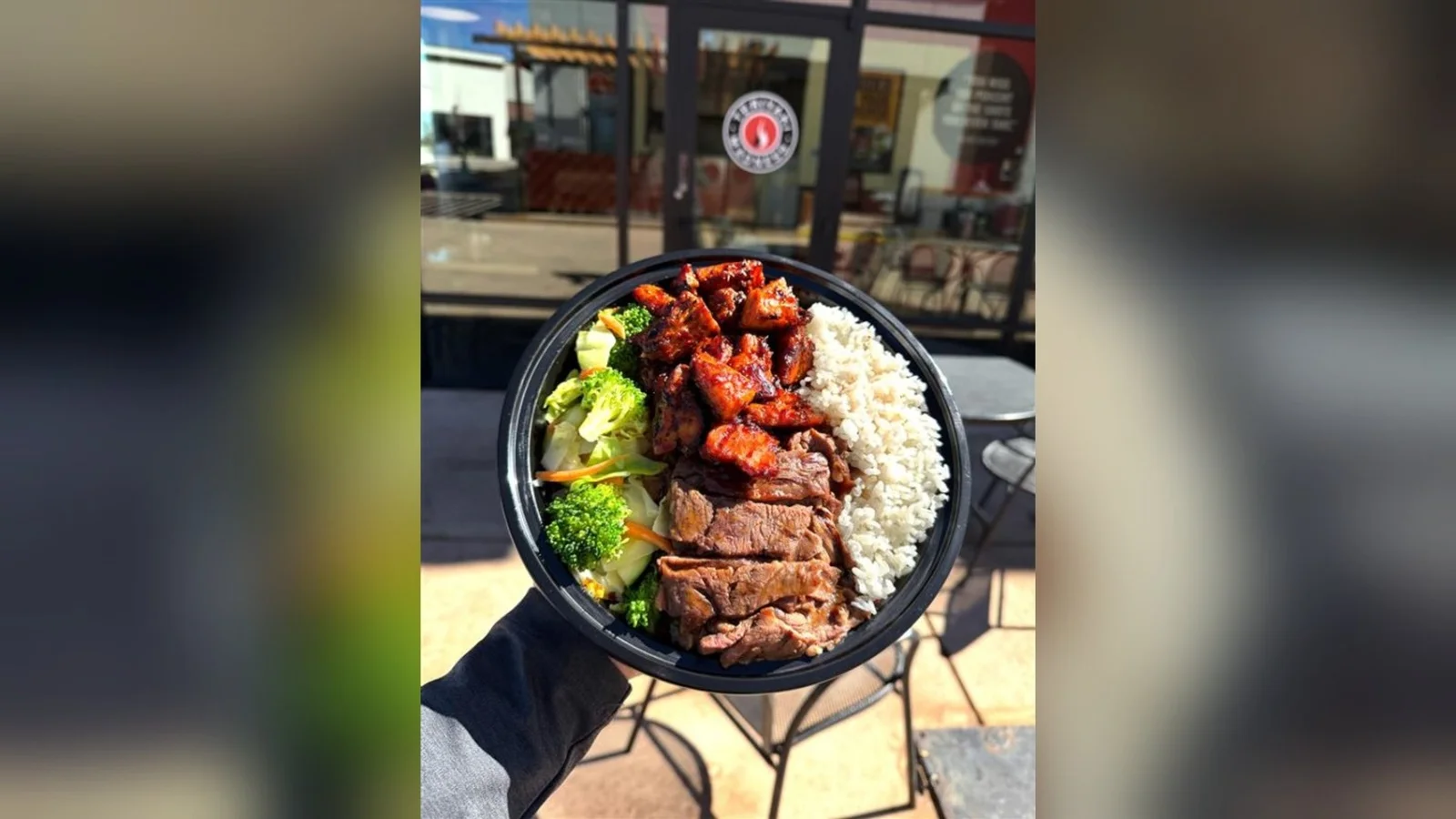
By comparison, a Teriyaki Madness bowl of grilled chicken, fresh vegetables and rice or noodles, plus a drink, runs between $15 and $18 (before tax), depending on the location and offers.
"Safe to say that combination of quality, portion size and affordability is resonating with today's value-conscious consumer," Haith said.
Beyond the dining room
Catering was one of the brand's fastest-growing channels in 2026, the company said, and Haith said it has moved from an add-on to a structured program.
"We've invested in developing a formalized catering program with professional packaging, dedicated marketing and an emphasis on operational execution," he said. "The goal is to make catering profitable and easy for franchisees to execute while providing customers with a convenient, reliable experience and food that travels and serves exceptionally well."
Delivery promotions, such as Free Delivery Tuesdays, reach both new and existing guests, with the main goal of getting customers to order more often.
"Promotions like Free Delivery Tuesdays serve as an important reminder to customers that we're here and give them another reason to order," he said.
The brand applied the same thinking to the text-messaging program it launched this summer with marketing partner Attentive. Welcome offers sent at sign-up generated a high percentage of revenue per message, while 19.1% of users tapped through to place an order.
Haith said texting lets the brand reach customers through their preferred channels.
"We view it as part of a larger customer engagement ecosystem, working alongside our other marketing efforts to encourage repeat visits and strengthen brand loyalty," he said. "We're particularly interested in engagement, redemption and the frequency of visits and orders associated with these communications."
Growth and culture
Teriyaki Madness added construction and opening staff this year. It launched a Real Estate Fast Track program to shorten the time between a signed agreement and opening day, according to an October company release. The release said that the company is on track to reach 245 units by year's end.
Haith said the concept works in most regions, though building awareness varies by market size. In smaller markets, the brand can make a bigger initial splash and establish itself faster. In larger, more competitive markets, building a customer base can take longer, though those markets may offer significant long-term opportunity.
"Ultimately, successful market entry comes down to strong local ownership, consistent execution and the ability to connect with the community," Haith said.
Growth also extends to staffing.
"As we grow, one of our biggest priorities is ensuring that we continue to attract and develop team members who genuinely reflect our caring culture and commitment to the communities we serve," he said. "Our people are at the heart of the customer experience, and maintaining that culture across an expanding footprint is critical."
The next step
In 2027, Haith said the brand will continue to focus on driving traffic, strengthening brand awareness and "making our food available wherever and however customers want it."
Beyond tracking same-store sales, traffic, catering growth, customer engagement and new-shop performance, Haith said his team is watching convenience and accessibility tools, including autonomous and drone delivery.
"Sustained growth ultimately comes down to delivering a great experience consistently while continuing to evolve with our customers," Haith said.
About Amy Sorter

Amy W. Sorter is an award-winning journalist, copywriter and content producer. Sorter has generated quality articles, blogs and thought leadership pieces for multiple industries during her many decades as a writer. Her byline has appeared in local and national publications including the American Business Journal, Connect CRE, Bankrate, CURE Magazine and the Dallas Morning News.
Related Media
CateringPresented ByMonkeySoft Solutions Inc.
Food & BeveragePresented ByOracle
TechnologyPresented ByOracle
Subscribe
Get the latest news and resources from Fast Casual.
Recent Posts

Recent Podcasts