Real Estate
How Teriyaki Madness flips franchise growth by vetting real estate before the deal is signed
Franchise Development Real Estate Manager Jake Lowell breaks down how the fast-casual chain cut opening timelines to 18 months and secured over 80 leases in 18 months by moving site selection to the front of the pipeline.
August 24, 2026 by Cherryh Cansler — Publisher, FastCasual.com
 ChatGPT
 Grok
Grok Perplexity
 Claude
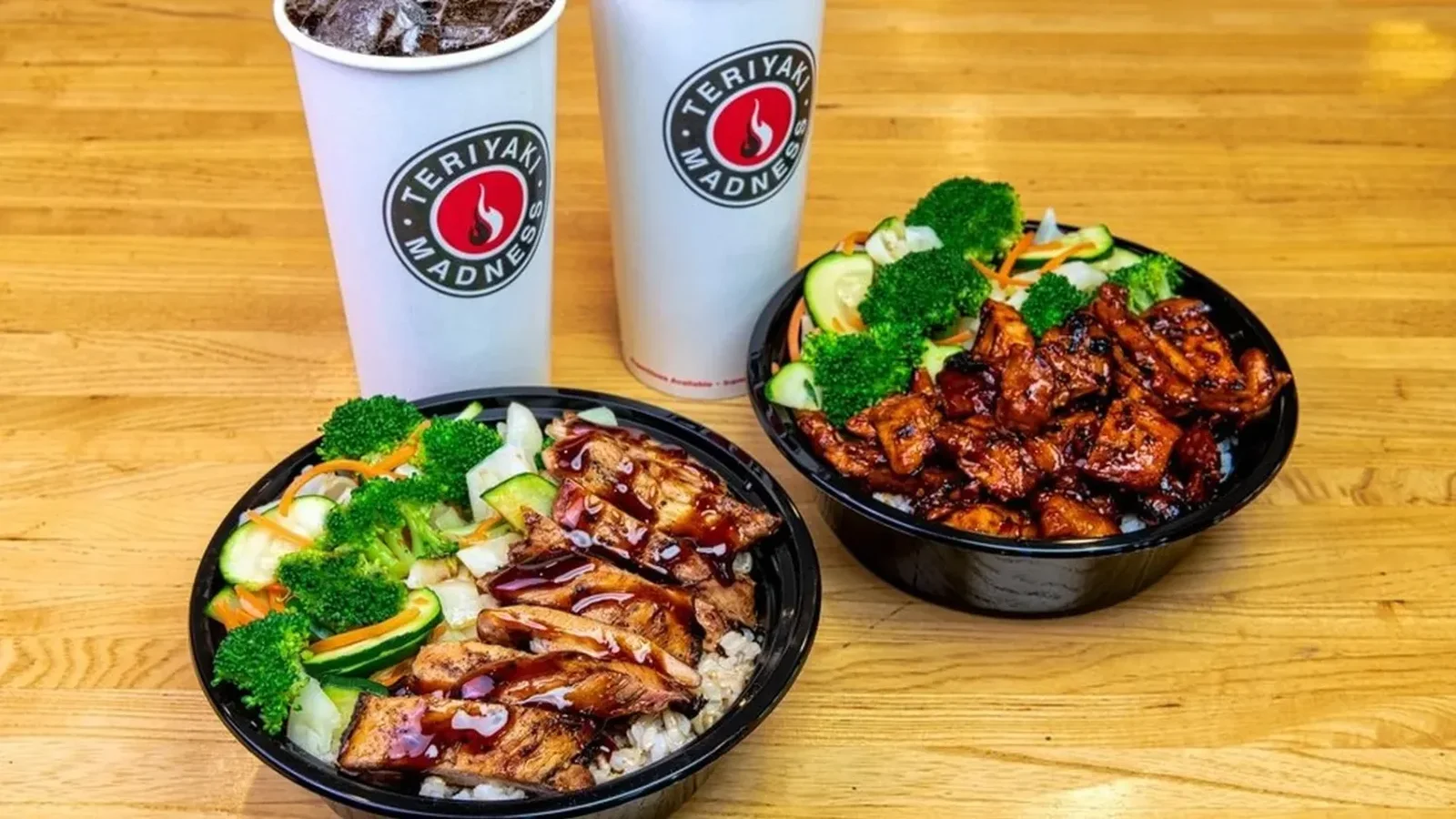
Most franchise brands start hunting for real estate after the agreement is signed, a strategy Teriyaki Madness thinks is backward. To move site selection to the front of the process, the Seattle-style fast-casual chain, with over 200 shops in 41 states, created a Franchise Development Real Estate Manager role to prequalify locations before anyone signs anything.
TMAD's real estate team drove 50 signed leases in 2025, and 31 through the first half of this year, said Jake Lowell, who has been in the role for over six months.
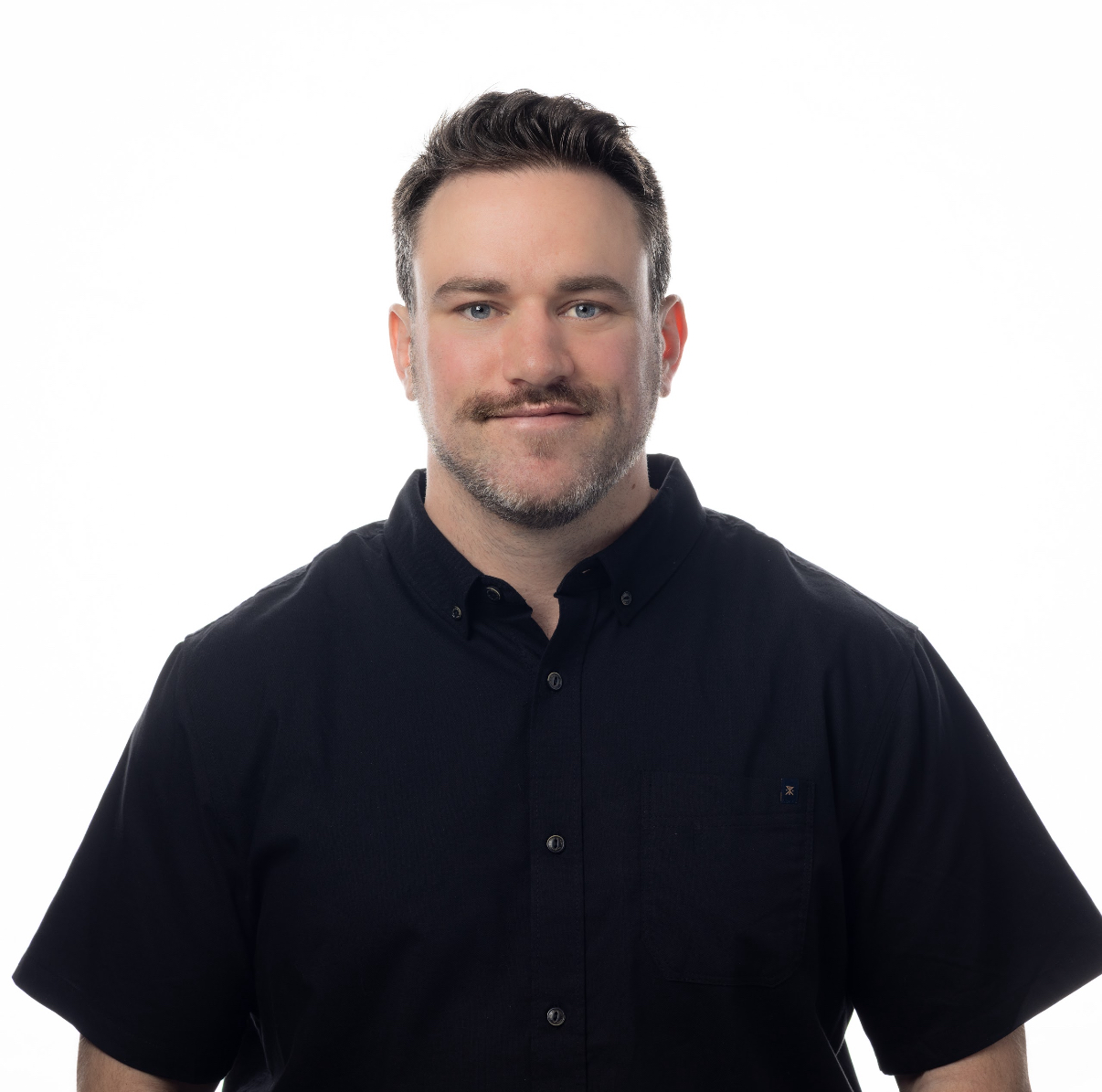 |
Franchise Development Real Estate Manager Jake Lowell |
"By the time a candidate enters the process, we are often able to show them actual opportunities in the market rather than just discussing what may be available," Lowell told FastCasual. "That makes the process more tangible and helps franchisees move forward with confidence."
Getting a head start
Once someone signs on, real estate is the first department they work with at Teriyaki Madness, Lowell said. That timing gives him a head start: While candidates are still deciding, they are already learning which markets they're interested in from the brand's development team. From there, Lowell works with national brokerage partner Bialow Real Estate to source sites, vet them against Teriyaki Madness' criteria and run them through Sitewise Analytics, a location-intelligence company that helps multi-unit brands make smarter decisions about where to grow.
The approach is a part of the plan to improve the time between a signed franchise agreement and opening day, which is roughly 18 months, well below the pace many brands see, according to Lowell, who said the delays at other chains typically happen before a location is even picked.
"Many brands either require the franchisee to source real estate opportunities on their own, or they spend months trying to identify viable locations, build broker relationships and narrow down options — and all of those steps can start to add up quickly," Lowell said.
The Bialow partnership shortcuts that search by plugging Teriyaki Madness into an established network of local brokers in its target trade areas, Lowell said, rather than starting cold in a new market. Sitewise then layers in predictive analytics, trade-area data and sales forecasting to help the team move fast on what it finds.
But the single biggest efficiency gain, Lowell said, has come from compressing the gap between choosing a market and identifying a site.
"Instead of reviewing dozens of locations after the agreement is signed, we have actionable information the day the franchisee signs the agreement," he said.
Deciding whether a market is ready for a Teriyaki Madness comes down to whether its fundamentals line up with what's worked elsewhere in the system, Lowell said. That means household demographics, employment characteristics, traffic patterns, retail visitation, co-tenancy and delivery dynamics, all benchmarked against the brand's successful existing locations. The team also checks for operational fit — whether strong operators are already nearby, whether there's enough spacing to avoid cannibalizing sales and whether quality real estate is actually available.
Lowell is careful not to take full credit for the lease numbers. Teriyaki Madness signed 50 leases in 2025 and has added 31 more so far this year, but he called that part of a broader growth trajectory the brand already had underway before his role existed.
Building a pipeline of vetted sites
"It's definitely a team effort and part of a broader growth trajectory for the brand," he said. "What this role does is create more leverage across the system. Rather than waiting for opportunities to arrive, we're proactively building a pipeline of vetted sites."
He said the real measure of the program's impact isn't lease count alone — it's faster decision-making, stronger site quality and a clearer path for franchise candidates.
"The goal isn't just more deals," Lowell said. "It's creating better opportunities earlier in the process."
For first-time franchisees, commercial real estate can look deceptively simple, Lowell said. Pick a shopping center that looks good and sign the lease. In reality, lease structure, access, visibility, demographics, co-tenancy, trade-area dynamics and site configuration all factor into long-term performance.
Real Estate Fast Track program
That's where the brand's Real Estate Fast Track program comes in, bringing that expertise into the conversation earlier rather than leaving new franchisees to sort it out after they've already signed.
"We're able to present opportunities that have already been reviewed through our process," Lowell said. "That removes a lot of uncertainty and helps new franchisees understand what actually makes a location successful."
Lowell describes the long-term goal as building "a real estate engine" — a repeatable system rather than a deal-by-deal scramble. That means folding national broker relationships, local market intelligence, predictive analytics, proactive site sourcing and franchise development into a single workflow.
"When those pieces work together, real estate becomes a growth driver rather than a bottleneck," he said.
He sees room for the model to become a genuine differentiator for Teriyaki Madness as the brand keeps refining it.
"If prospective franchisees can see high-quality opportunities before they even sign, that's a very different experience than what many brands offer today," Lowell said.
Ultimately, Lowell said, the point isn't just speed — it's making the leap into franchise ownership feel real.
"Most franchise candidates are asked to imagine what success could look like. We're increasingly able to show them," he said. "We can point to markets, opportunities and real locations that have already been vetted by our team and partners. That's powerful because it helps people move from 'I think I want to own a franchise' to 'I can see exactly where my future business could be.'"
That, he said, is the point of Real Estate Fast Track: remove uncertainty, shorten timelines and help operators open faster.
About Cherryh Cansler

Included In This Story
Teriyaki Madness
Teriyaki Madness provides the ultimate Teriyaki Shop experience, serving oversized portions of marinated grilled chicken, beef or tofu and rice or fresh cut veggies wok-tossed in our house-made sauces to create authentic Asian bowls heaping with fresh, healthy ingredients.
Related Media
Featured Vendor

Our API-first platform empowers brands to own their digital ecosystem and scale profitably from end-to-end. By providing a flexible foundation for first-party digital experiences and seamless operational flow, we ensure every order, from web, mobile, or third-party, is fulfilled reliably.
Subscribe
Get the latest news and resources from Fast Casual.
Recent Posts



Recent Podcasts