Catering
Webinar: Order accuracy as the next loyalty battleground
In this “Accuracy is the New Loyalty” webinar, Star Micronics’ Craig Kaliebe discusses how labeling, smart scales and other verification tools help operators reduce mistakes while improving food safety, efficiency and the guest experience across off-premises orders.
September 21, 2026 by Valerie Gritton
 ChatGPT
 Grok
Grok Perplexity
 Claude
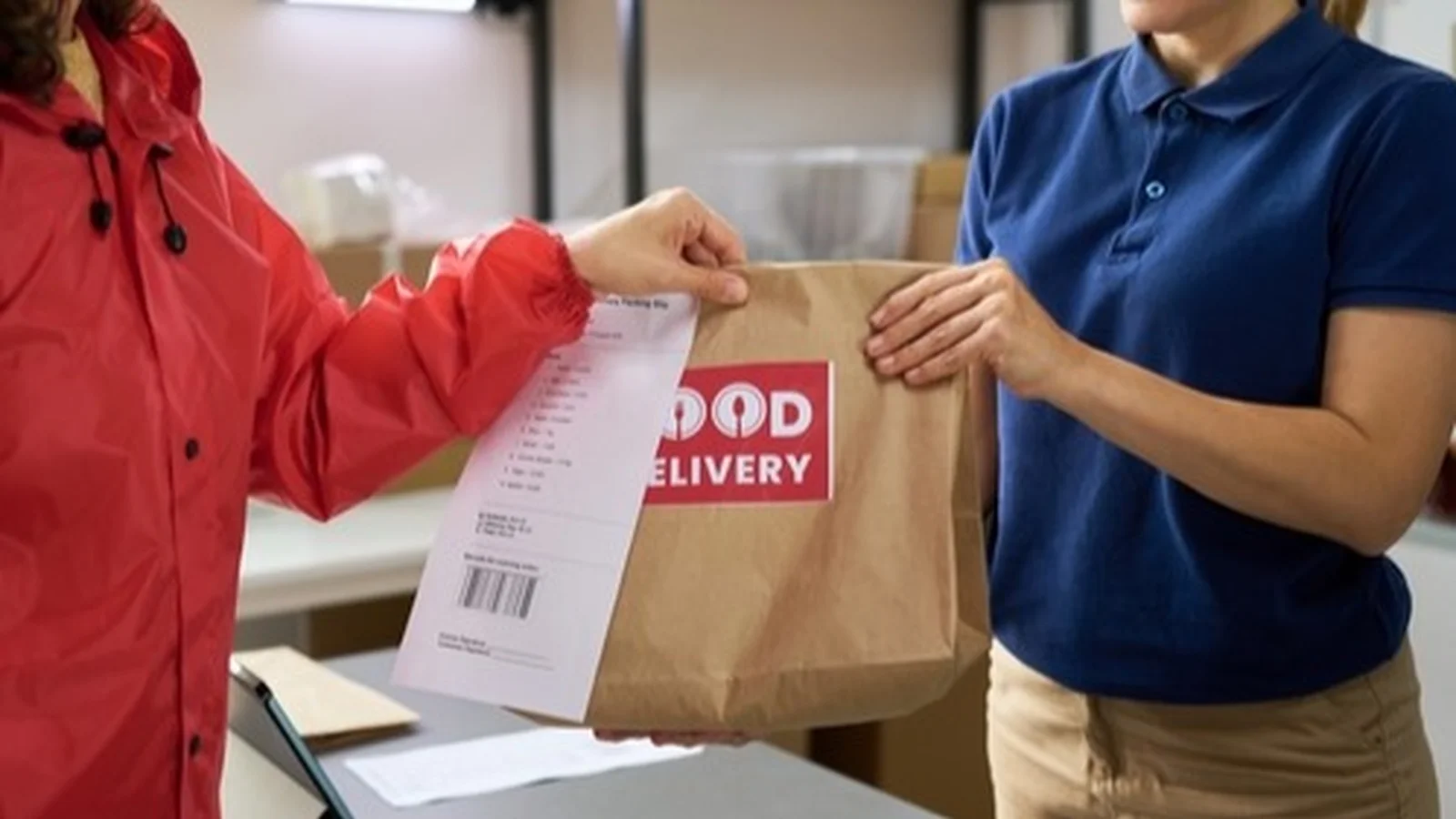
Delivery, pickup, drive-thru, curbside and catering have transformed how restaurant customers interact with brands. But as off-premises business has grown, so has the opportunity for something to go wrong between the time a customer places an order and the moment it reaches their hands.
That was the message behind "Accuracy is the New Loyalty," a recent QSRWeb and Pizza Marketplace webinar featuring Craig Kaliebe, enterprise development manager at Star Micronics and 30-year veteran of the restaurant industry.
"Customers might forgive waiting, but they rarely forget a wrong order," Kaliebe said during the discussion.
The challenge is that even when an order enters the restaurant correctly through the POS or online ordering platform, and appears correctly on the kitchen display system, mistakes can still happen during preparation, packing, staging or handoff.
That's where Kaliebe believes labeling can provide another layer of verification and order protection.
Labels can translate the digital information associated with an order into something employees can physically see during fulfillment, including customer and item names, modifiers, allergens, order numbers and pickup information. Restaurants also can identify the third-party delivery provider on a label to help prevent a driver from leaving with the wrong order.
"So those order confirmation labels, the item labels, the bag seals and the drink labels help teams verify that the right food is going to the right customer," Kaliebe said.
One mistake multiplied across a system
During the webinar, Kaliebe demonstrated how small improvements in accuracy can potentially translate into significant savings when multiplied across a restaurant system.
Using a hypothetical 50-unit chain, he calculated the impact of eliminating one $25 refund or chargeback per restaurant per day. Under the assumptions used in its calculator — including hardware, installation, software and label expenses — the model projected more than $100,000 in net savings during the first year and approximately $288,000 annually in subsequent years.
The model also estimated a break-even point of roughly eight months.
Catering raises the stakes
Accuracy becomes even more important as restaurants grow their catering businesses.
Large catering orders leave little room for error, particularly when restaurants are serving corporate meetings, weddings and other events. Tray labels, guest names, allergy information and pickup labels can help teams keep those orders organized.
Accuracy also protects the investment restaurants make in acquiring customers.
"You spend all of that time and effort in marketing that," Kaliebe said. "But then if you don't execute on the operational side ... it kind of defeats that purpose."
Restaurants need to make sure everything is identified, prepared correctly and delivered as promised, he added.
Building trust with guests
The discussion also explored how labels can communicate food-safety and allergen information, including ingredients, allergens, preparation times, rotation dates, nutrition information, and other details pulled from restaurant systems.
For customers with food allergies or dietary restrictions, that visible confirmation can provide an additional layer of assurance. That trust also can affect loyalty. Customers with dietary restrictions often play an important role in deciding where a family or group eats because they have fewer restaurant options.
"The label is really just the confirmation that we've taken these measures to protect you, we've put these safeguards in place in our process," Kaliebe said.
Labels can serve another purpose as well: marketing.
Restaurants can add QR codes connecting customers to loyalty programs, nutritional information, sourcing stories or other digital content. Kaliebe cited the example of a juice and smoothie concept seeking ways to better communicate the ingredients and nutritional value of its products. A QR code on a cup or bowl could begin that conversation and direct customers to additional information.
Start with the pain points
For restaurant operators considering technology to improve order accuracy, Kaliebe recommended first identifying where errors are occurring rather than trying to overhaul everything at once. For larger systems, he suggested a "crawl, walk, run" approach: test the technology in a lab or restaurant, gather data, make adjustments and gradually expand the rollout.
Labels themselves can create simple checks and balances. If an order contains five items and generates five labels, for example, an employee who has a label remaining after packing the bag has an immediate signal that something may be missing. An order-summary label provides another opportunity to verify the contents before handoff.
Ultimately, Kaliebe said restaurants should think about accuracy as more than an operational measurement.
"Accuracy is really no longer just an operations metric," he said. "It's a loyalty strategy."
Included In This Story

Star Micronics
Always Leading, Always Innovating
Star Micronics, a world-leading POS and labeling solutions provider, has designated a portfolio of printing, secure cash management, and customer engagement tools for any retail and hospitality establishment with a POS or mPOS environment.
Related Media
CateringPresented ByMONKEY Catering Platform
Featured Vendor

Momos Guest AI is the leading AI platform built for multi-location brands. We help restaurants, QSRs, retail, and hospitality teams deliver better guest experiences across every location by unifying customer service, operations, and marketing into a single end-to-end platform - turning one-time customers into repeat guests.
Subscribe
Get the latest news and resources from Fast Casual.
Recent Posts
Recent Podcasts