Real Estate
Why restaurant brands are struggling to find space despite vacancies
Former pharmacies and small retail bays are opening up for restaurant brands, but usable space is scarcer than vacancy rates show, according to a new X Team Retail Advisors white paper.
November 11, 2026 by Cherryh Cansler — Publisher, FastCasual.com
 ChatGPT
 Grok
 Perplexity
 Claude
Restaurant brands hunting for new sites face a tighter market than the national vacancy rate suggests, according to a November white paper from X-Team Retail Advisors, a national network of retail real estate brokers.
U.S. retail vacancy stood at 4.3% in the third quarter of 2026, the report said, citing CoStar. But once obsolete boxes, poor access, bad parking and awkward layouts are stripped out, the firm estimates usable vacancy in many of the strongest growth markets "can feel closer to 2% to 3%."
New construction isn't filling the gap. Developers started 7.7 million square feet of U.S. retail projects in the third quarter, the lowest quarterly total since at least 2016, according to CoStar data in the report.
"In the strongest markets, the most important retail space never makes it onto a flyer," the report said.
Drive-thru brands chase former pharmacies
With little new space coming, growth is shifting to buildings other retailers left behind, and former pharmacies are at the top of the list. Rite Aid closed its remaining 1,300 stores in 2025, CVS has closed roughly 1,170 since 2021 and Walgreens had closed some 500 by August 2025, according to the report.
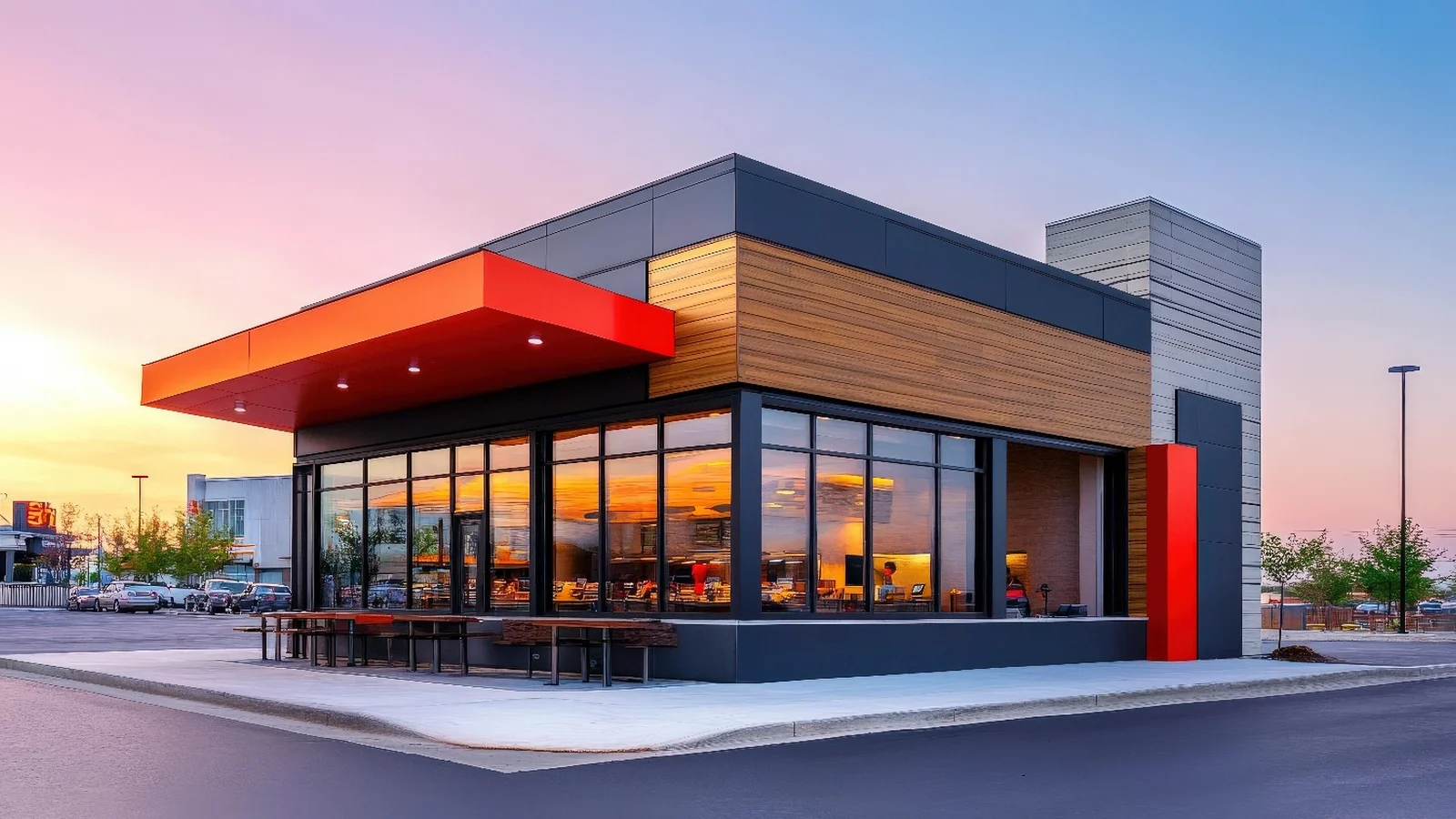
Those sites typically run 10,000 to 14,000 square feet on signalized corners with parking and, often, a drive-thru lane.
"QSR and beverage operators like Dutch Bros, Raising Cane's and McDonald's are among the most active bidders, lifting effective ground rents on the best corners," the report said.
A ready-made drive-thru isn't a done deal
A second-generation box isn't plug-and-play. A restaurant may need different utilities, kitchen infrastructure, parking or circulation, the report said, and for QSR bidders, an existing drive-thru lane "doesn't automatically carry approval for a new drive-thru use." Walgreens also often paid above-market rent that a replacement tenant may not match.
Lease terms can also knock a concept out early. Exclusive-use clauses, permitted-use restrictions and co-tenancy requirements can rule out a tenant before anyone tours the space.
The payoff is speed. "What the existing box offers is time: reuse can skip the curb-cut, traffic and civil-design approvals that slow a new build," the report said.
Smaller bays open up for fast casual
Not every opportunity is a corner pad. Former apparel stores and bank branches of 2,000 to 4,000 square feet suit fast casual, along with spa and boutique fitness uses, the report said, because those concepts need a modest footprint and draw steady repeat visits. Its replacement chart also lists fast casual among the uses moving into 5,000- to 10,000-square-foot mall inline spaces.
Landlords want the right mix, not just the highest rent
Landlords are weighing how each tenant fits a center's traffic and customer base. Placer.ai data cited in the report shows coffee customers return to a brand 2.5 times a month, and just 7.6% of those visits last 30 minutes or more. Fitness visitors return 4.2 times a month, with 90.8% of visits lasting at least 30 minutes.
Quick-turn tenants keep parking turning over, but the report said "a quick coffee stop and a longer gym visit put very different loads on parking, access and scheduling, and the mix has to work for both." Restaurants bring their own value: "A gym may drive repeat visits; a restaurant may extend evening activity."
The report lists quick-service dining among the routine trips that keep neighborhood and community centers busy, and said nearly 60% of shopping visits start within five miles of the store, citing Placer.ai.
"The most active bidder and the highest immediate rent rarely make the best backfill," the report said.
At the high end, vacancies are opening doors for chef-driven dining. Simon's planned redevelopment of the former Neiman Marcus space at Copley Place in Boston names Casa Tua Cucina and Estiatorio Milos, with openings phased into 2028, for example.
What restaurant brands can do
The firm's advice for expanding brands is to look harder and plan for build-out costs.
"Retailers will need to start their searches earlier and dig deeper, treating occupied space as part of the pipeline and budgeting for conversion instead of assuming a turnkey box," the report said.
That often means chasing space before it's listed. In strong suburban trade areas, a broker working a national rollout may spend weeks investigating 10 to 14 opportunities, including weak tenants nearing lease expirations, to create one or two real openings, according to the report.
The report boils site decisions down to five questions:
- What can the space become?
- Who wants it?
- Does the market support it?
- Can the physical box adapt?
- Does the tenant improve the project?
About Cherryh Cansler

Related Media
Subscribe
Get the latest news and resources from Fast Casual.
Recent Posts
Recent Podcasts