Operations
The 'dirt' on dirt: 4 restaurant real estate trends revealed at ICSC
Interviews at the International Council of Shopping Centers conference revealed top trends in real estate. Success in the restaurant industry isn't just about what's on the menu anymore; it's about navigating a historically brutal real estate market.
May 20, 2026 by Cherryh Cansler — Publisher, FastCasual.com
 ChatGPT
 Grok
Grok Perplexity
 Claude
If you want to know where the restaurant industry is heading, you don't look at the kitchen — you look at the map.
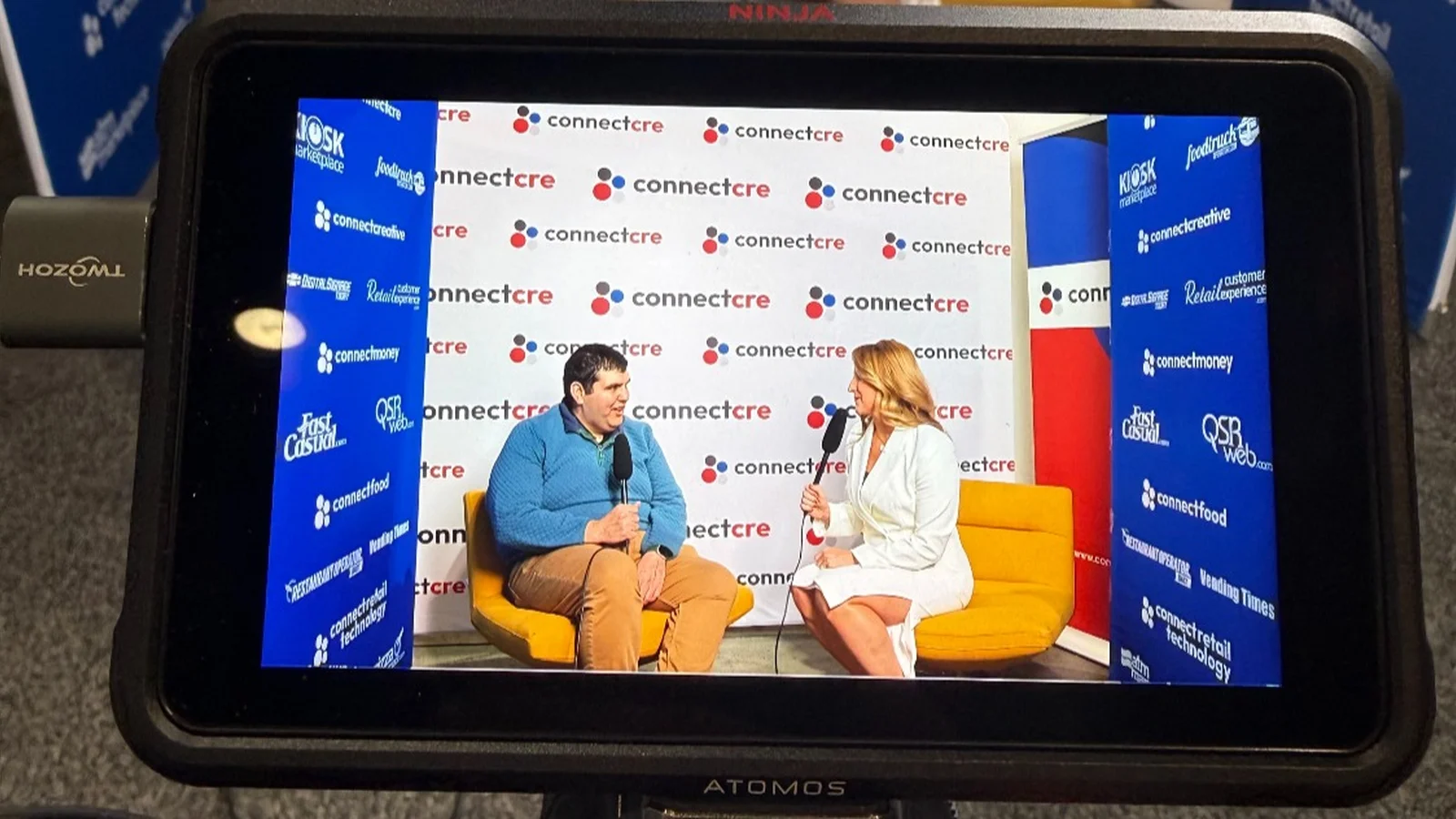
After spending a couple of days in Chicago at the National Restaurant Association, I hopped a flight to Vegas for the International Council of Shopping Centers conference to interview some of the brightest minds in retail and development. What I learned: Success in our industry isn't just about what's on the menu anymore; it's about navigating a historically brutal real estate market.
Right now, operators are facing a perfect storm of record-low retail availability and skyrocketing build-out costs. So, how are the fastest-growing brands surviving — and thriving?
Although you'll see the full podcasts next week, below are the four biggest takeaways I learned from sitting down with Ebere Anokute (Americas head of retail research for CBRE), Abe Nasrallah (SVP of real estate and development at Wonder), and Dannon Shiff (SVP of real estate at Dave's Hot Chicken).
1. The inventory crunch is not a phase — it's the new reality
If you've been waiting for the real estate market to "cool down" so you can snatch up cheap space, I have some bad news. According to CBRE data, national retail availability is holding flat at a whopping 15% below its 10-year average. High construction costs mean developers need blended rents above $30 to $35 per square foot to justify building new spec strip or shopping center space. Meanwhile, national market averages are stuck in the mid-$20s.
The reality check: Until that gap narrows, low available inventory is the standard operating environment. For restaurant operators planning their pipelines, this scarcity completely rewrites the rules. It means longer timelines, significantly less leverage in lease negotiations and a desperate need to be flexible.
2. Brands are playing Tetris with flexible footprints
Because everyone is hunting for the same 2,000 to 2,700-square-foot "sweet spot" end-caps, brands are having to redefine what an "ideal" footprint looks like.
Take Wonder, the innovative multi-chef kitchen concept that is currently expanding rapidly, with plans to plant 100 flags in Texas by 2027. Because its model blends delivery, pickup, dine-in and meal kits — all featuring menus from celebrity chefs like Bobby Flay and José Andrés — real estate needs are complex, Nasrallah said during thepodcast. His team is not just looking for high foot traffic; it's meticulously engineering the physical space (the lobby, the parking layout and the kitchen flow) so that a delivery driver and a dine-in guest both get a premium, seamless experience.
If you want to grow in 2026 and beyond, your prototype cannot be rigid. You have to adapt the box to the space.
3. Conversions are winning the battle over ground-up builds
With ground-up construction costs soaring, the smartest operators are avoiding the "blank canvas" and looking for spaces they can inherit. Converting existing restaurant spaces is the premier growth strategy right now.
I chatted with Dannon Shiff at Dave's Hot Chicken, a brand that has experienced astronomical growth, recently crossing the 430-unit milestone with a 1,000-store global franchise pipeline. Dave's has mastered the art of "converting the competition," successfully taking over former banks and rival QSR spaces (like former Moe's locations).
By leaning heavily on conversions, brands can bypass massive infrastructure costs (like grease traps and HVAC systems) and get their doors open months ahead of a ground-up build. In a market this tight, speed-to-market is everything.
4. Cultural clout is the new leverage with landlords
When availability is low, landlords get to be picky about who they lease to, so, how do you win the bidding war for a prime corner when ten other brands want it? You bring star power and cultural relevance.
Dave's Hot Chicken has a massive weapon in its arsenal: an army of celebrity investors like Drake and Samuel L. Jackson, combined with a fanatical social media following. This kind of brand prestige changes the dynamic when sitting across the table from developers at ICSC.
Landlords aren't just looking for rent money anymore; they are looking for foot-traffic drivers and internet-breaking "vibe" creators. Whether it's Wonder's TIME 100 prestige or Dave's custom street art and Instagrammable murals, having a distinct "physical soul" and brand clout is what makes landlords cut through the noise and hand you the keys.
Final takeaway
As you look ahead to your 2027 real estate planning, remember Anokute's core thesis: neighborhood and grocery-anchored centers are heavily outperforming; the suburban flight has permanently altered where people eat.
The operators who win the next few years won't necessarily be the ones with the deepest pockets, but the ones who are the most disciplined, the most creative with conversions, and the quickest to adapt to this low-inventory environment.
You can listen to the full podcasts next week.
About Cherryh Cansler

Related Media
Real EstatePresented ByConnectCRE
Subscribe
Get the latest news and resources from Fast Casual.
Recent Posts