Operations
6 ways c-stores and grocers are stealing fast casual lunch traffic
A Toast study reveals how cash-flush retailers are leveraging AI, prepared foods and aggressive hiring to win dining dollars.
September 9, 2026 by Cherryh Cansler — Publisher, FastCasual.com
 ChatGPT
 Grok
Grok Perplexity
 Claude
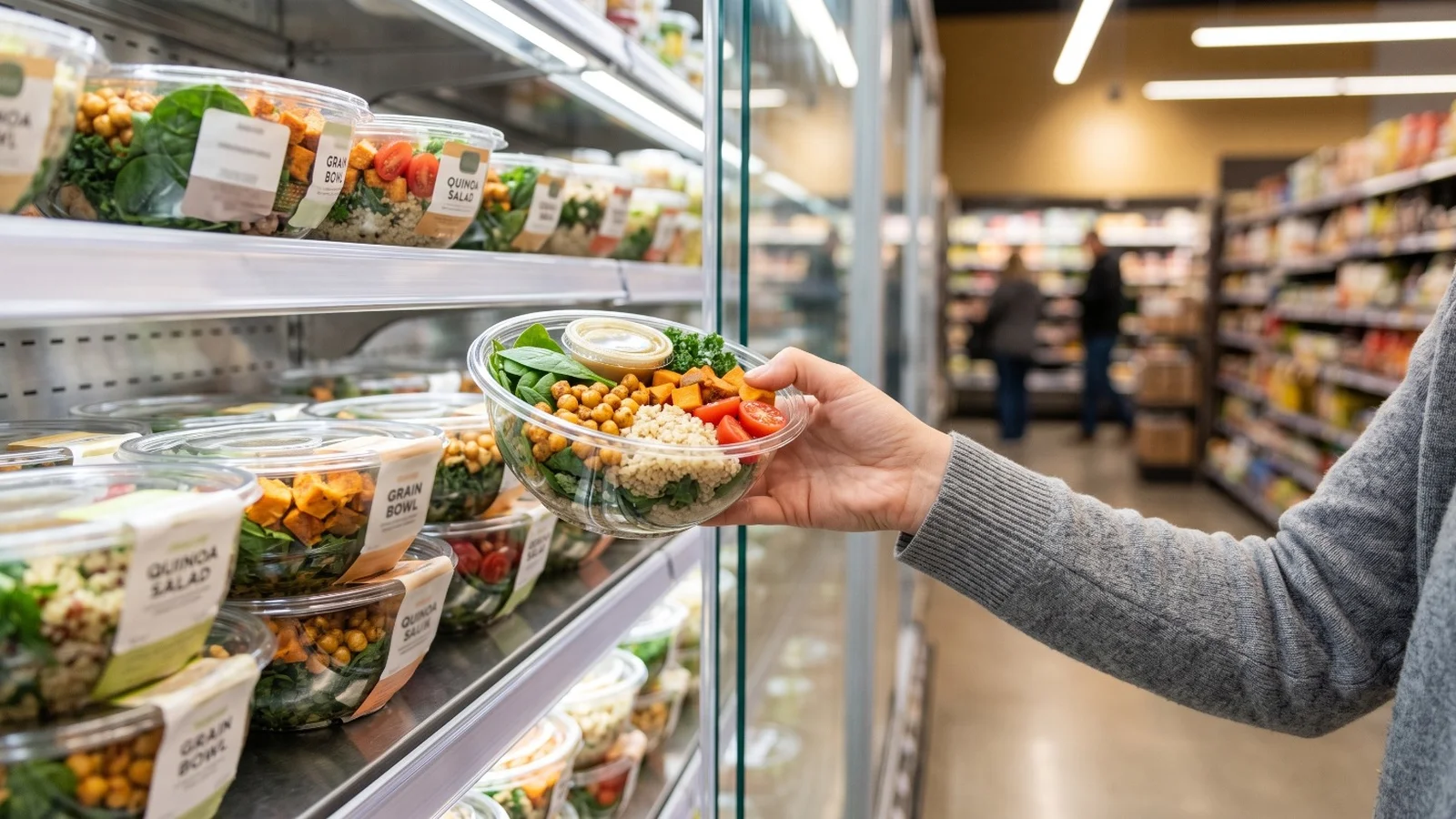
Retailers are pushing deeper into food service, creating a fresh wave of competition for fast casual operators.
According to Toast'sVoice of the Retail Industry Survey, convenience stores, bottle shops and grocery stores are increasingly expanding prepared-food offerings and adopting restaurant-grade technology to capture fast casual and quick-service dining dollars.
The blind survey polled 492 U.S. retail decision-makers operating 16 or fewer locations between April 18 and May 13, 2025.
Here are six takeaways fast casual operators need to know.
1. Convenience and grocery stores are becoming direct competitors
Retailers are blurring the line between retail and food service. The data shows 55% of grocery stores use produce scales and 52% use deli scales, signaling a heavier reliance on prepared meals, salad bars and grab-and-go options. Fast casuals are no longer competing only with neighboring restaurants for lunch and dinner traffic, but also with well-funded "grocerants" and convenience stores.
2. Retail competitors are cash-flush and optimistic
Despite macroeconomic friction, 94% of independent retail operators rate their business health as good or excellent, and 63% reported increased profits over the past year. Fast casuals face a highly resilient retail market that has capital ready to invest in speed-of-service upgrades, loyalty initiatives and menu expansion.
3. Retail is hiring
While many restaurant operators are seeking to maintain steady staffing levels, 63% of grocery store operators plan to increase headcount over the coming year. Even with 16% of retailers citing extreme hiring challenges, their aggressive recruitment plans could further squeeze the hourly labor pool for nearby fast casual locations.
4. Retailers struggle with guest data
Collecting and analyzing guest data remains a major vulnerability for retail businesses. Half of grocery stores (50%) and bottle shops (53%) report moderate to extreme difficulty managing guest analytics. Fast casual brands that effectively use mobile ordering, first-party customer relationship management software and integrated POS loyalty programs maintain a strong edge in targeted marketing.
5. Marketing and vendor costs outrank inflation concerns
Retail decision-makers cited marketing expenses (19%) and supplier management (17%) as bigger day-to-day operational headaches than inflation (15%). Fast casual operators who have streamlined supply chains and automated digital marketing tools can capitalize while local retailers struggle to build awareness.
6. Single-unit retailers leading AI adoption
Independent retailers are embracing artificial intelligence faster than larger operators. Among single-location retail owners, 52% report feeling comfortable using AI tools, compared with 44% of multiunit operators. Additionally, 43% of single-unit owners plan to increase their AI usage, leveraging automation to streamline back-of-house workflow and keep overhead lean.
About Cherryh Cansler

Related Media
Featured Vendor

Ovation is a guest experience platform for multi-unit restaurants that starts with a 2-question survey to drive revenue, streamline guest recovery, and easily improve operations. Thousands of restaurants, including leading brands like Dave's Hot Chicken, use Ovation to get more feedback, recover guests in real-time, and improve.
Subscribe
Get the latest news and resources from Fast Casual.
Recent Posts


Recent Podcasts