Operations
How Snooze Eatery is strengthening leadership, operations to fuel next growth
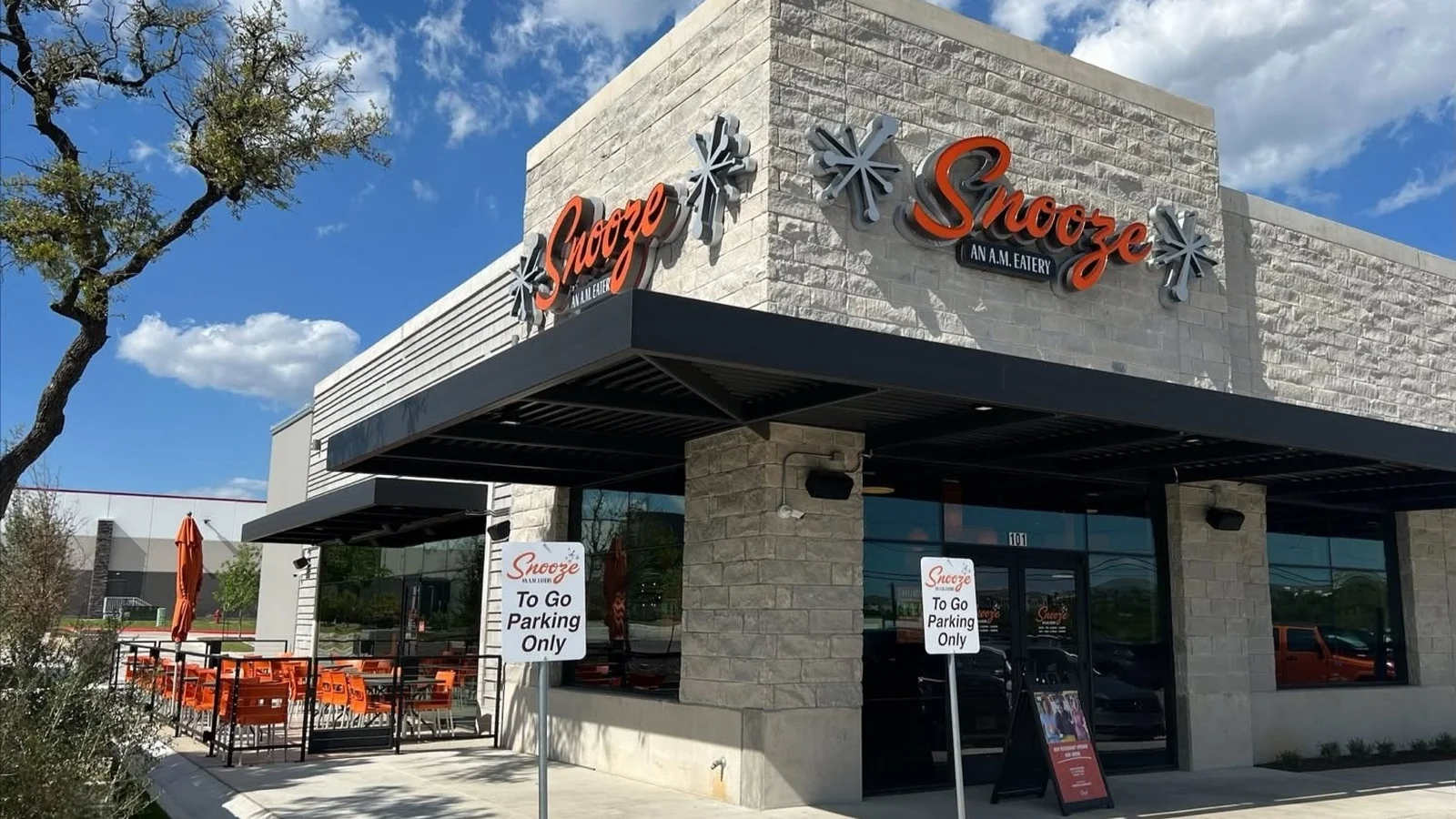
The Denver-based breakfast-and-brunch chain plans to open six restaurants in 2027 and is preparing by strengthening its leadership and operations. CEO Josh Kern and COO Amy Hom explain how they're developing managers, cutting complexity and sharpening hospitality without losing the brand's personality.
November 10, 2026 by Amy Sorter — Writer and Editor, Connect Media
 ChatGPT
 Grok
 Perplexity
 Claude
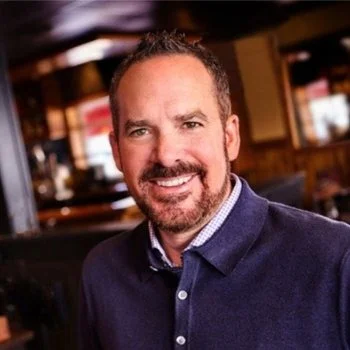 Josh KernFrom SPB HospitalitySince its 2006 launch, Snooze, an A.M. Eatery, has focused on building a morning culture for breakfast- and brunch-loving diners. That philosophy got the company to where it is today.
As the Denver-based chain prepares to open six more restaurants in 2027, it's moving into its next stage: strengthening leadership and operations to support that growth.
"Five to 10 years ago, Snooze was a small organization, driven by the energy, creativity and entrepreneurial spirit of our restaurant teams," Snooze CEO Josh Kern told FastCasual via email.
"Today, our 70-plus restaurants require a more structured organization to deliver consistently great hospitality and to grow the brand."
Part of that strategy was the recent hire of restaurant veteran Amy Hom as chief operating officer. Hom is focused on operations and leadership development. The strategy also centers on continued growth without sacrificing the brand's personality.
"Our goal is to scale our standards and not standardize away the Snooze experience," Kern said.
Althugh Snooze is a full-service brand, the problems it's working to solve aren't limited to casual dining. Fast casual chains compete with Snooze for breakfast and brunch guests, and many face the same hurdles as they grow: keeping good managers, building leaders from within and keeping operations simple enough that teams can focus on guests.
Snooze's plan offers a look at how one growing chain is tackling those issues: setting hard targets for manager retention and internal promotions, bringing managers into technology decisions, and getting leaders out of the office and onto the floor to fix guest problems before they turn into bad reviews
Leadership as the foundation
 Amy HomFrom Snooze EateryThe company's current operational goals include leadership development and building a stronger internal talent pipeline. To reach those goals, Hom told FastCasual, Snooze is working to improve leadership opportunities while keeping current managers in place. Specifically, she aims to reduce annual management turnover from 33% to 25% while increasing internal leadership positions from 40% to 60% in 2027.
"Those aren't just HR metrics. They're operational priorities," Hom said in an email. "When we retain great managers, we preserve institutional knowledge, build stronger teams, improve consistency, and create better guest experiences."
The path to meeting those targets includes monthly development plans for managers, stronger succession planning and more opportunities for employees to advance within the company. Hom also wants employees to see Snooze as a place to build a long-term career rather than hold a restaurant job. Developing general managers and regional leaders internally will be particularly important as the company expands.
"You need a repeatable process for developing managers, identifying talent, and creating internal career paths," Hom said.
Then, there are the customers
The brand also wants to delve into what motivates its customers: why they choose the restaurant and what keeps them coming back.
"It's no longer enough to know that they enjoyed their breakfast," Kern said. "We want to know why they chose Snooze, what brought them back, where we can improve and what else we can do to make them want to come back for more."
Getting that information means monitoring traffic trends, customer sentiment, internal promotions, labor productivity, food quality and customer recovery for a more holistic picture of the customer. Snooze is also focused on improving middle- and lower-performing restaurants by boosting execution, hospitality and local market engagement. The idea is to bring the middle up to the top.
"We want to take what our best operators do exceptionally well and make those practices easier to replicate across the organization," Hom said.
The goal isn't to make every restaurant look and feel identical, but to ensure each one delivers the same level of hospitality and operational execution.
"The way we manage the guest arrival experience—how we greet them, how we communicate wait times and how we manage the transition from the waiting area to the dining area—is of great importance and can make or break a guest visit before they even have a chance to experience our food," Kern said.
Customer satisfaction is also a management mandate, with managers expected to do more than sit in an office and watch numbers. Hom said she wants management front of house, engaging with customers and teams, keeping an eye on food quality and nipping problems in the bud before they end up on social media.
"If a guest has waited too long or something wasn't right with their meal, I don't want to find out about it three days later in an online review," she said.
"I want us to recover that experience before the guest walks out the door."
Reducing operational complexity
Both executives said growing restaurant companies can fall into the trap of adding processes, reports and administrative responsibilities, leaving managers drowning in paperwork instead of leading teams and providing outstanding customer service.
"The complexity of things that we add can become the enemy of hospitality," Kern said.
Snooze is currently reviewing parts of its scheduling and labor management systems with input from managers. The company is also investing in better waitlist management and more effective use of customer feedback to improve restaurant execution and make it easier for managers to spot and address problems. "Rather than simply telling managers to use the system differently, we're bringing them into conversations with our technology partners to understand where the friction exists," Hom said.
Kern said he also wants to get to the root of a problem before introducing a new policy to address it. For example, a service issue could result from workflow problems, insufficient training, kitchen execution or a staff shortage, and each requires a different response.
Just as important is simplifying restaurant operations and giving managers more time to focus on employees and customers.
"Our responsibility is to make running a great restaurant easier, not more complicated," he said.
What's next?
Ultimately, Kern and Hom see the company's next stage of growth as an opportunity to strengthen what already makes Snooze distinctive. Kern said that although Hom joined the company recently, she has already improved its operational scorecards, set clearer expectations for teams and helped leaders focus on the activities that best support the customer experience.
To Hom, the scorecard is a start, but not the whole story.
"It's a tool that helps us have better conversations to take meaningful action," she said.
While traffic and sales are ultimately the measure of the brand's success, both executives stressed that leadership and back-of-house operations are being refined so Snooze can open new restaurants with a strong leadership bench and the operational structure to support sustainable growth.
As a result, "we can keep the personality, individuality and hospitality that is Snooze while continuing to build the capabilities to scale our standards," Kern said.
About Amy Sorter

Amy W. Sorter is an award-winning journalist, copywriter and content producer. Sorter has generated quality articles, blogs and thought leadership pieces for multiple industries during her many decades as a writer. Her byline has appeared in local and national publications including the American Business Journal, Connect CRE, Bankrate, CURE Magazine and the Dallas Morning News.
Related Media
Food & BeveragePresented ByOracle
Subscribe
Get the latest news and resources from Fast Casual.
Recent Posts



Recent Podcasts