Restaurant Catering Workshop
Restaurant catering doesn't need more tech. It needs better tech
Catering companies have plenty of tech options. The key is selecting the right ones for maximum efficiency.
July 30, 2026
 ChatGPT
 Grok
Grok Perplexity
 Claude
 |
| Jenna Law, courtesy of Keke's Breakfast Cafe |
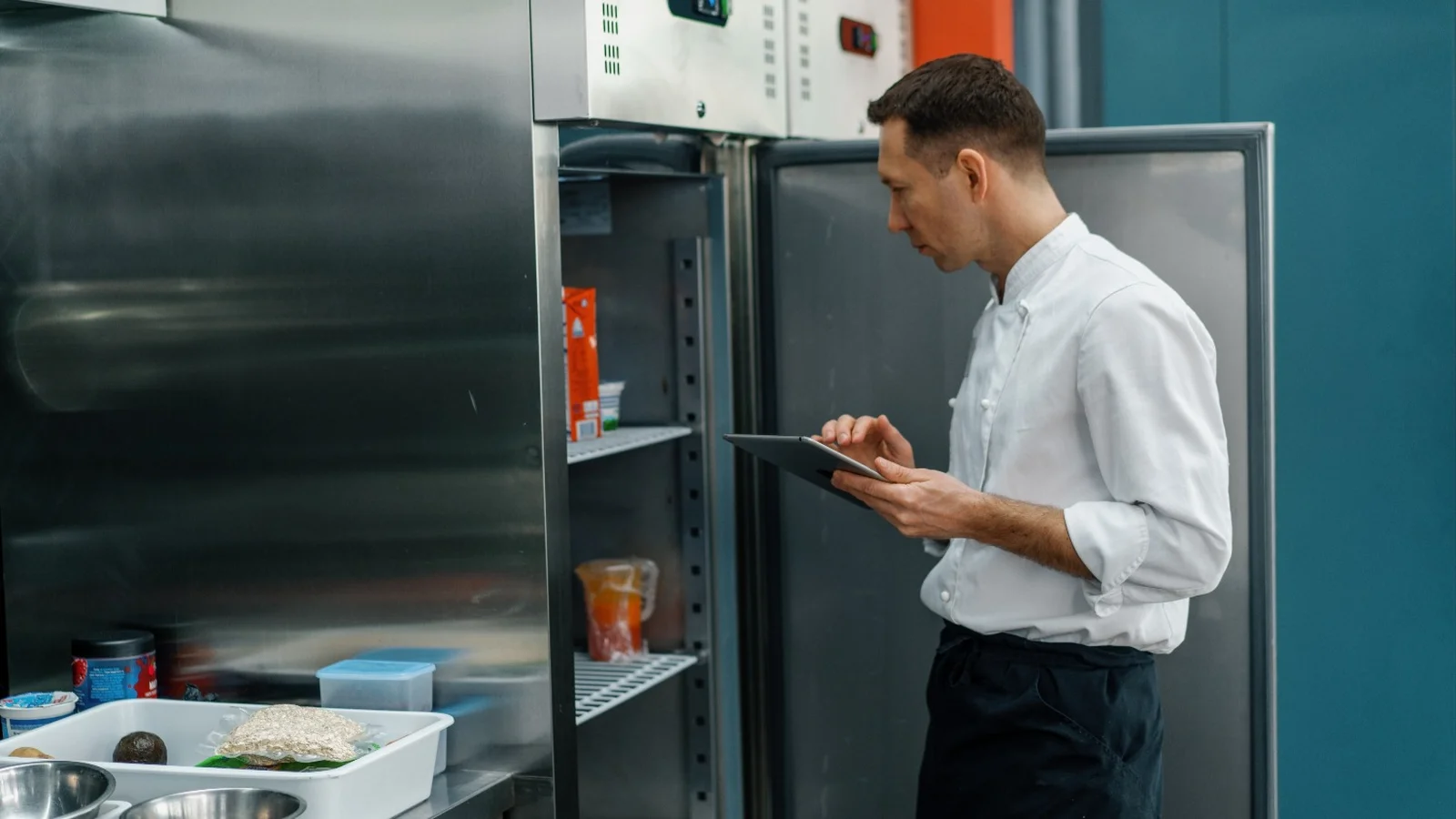
A common challenge for restaurant catering operations isn't a lack of technology. It's that the technology they already have often exists in separate systems that don't play nice with one another.
"The biggest headache is treating each platform as its own island, such as one menu listed on the POS, a different version on a delivery app and another on your catering site, with none of them synced," Brittany Mercer, Cowboy Chicken's director of off-premise sales, told FastCasual. "This is how you end up with pricing errors, missed orders and kitchens getting slammed without warning."
Technology also evolves faster than many operators can upgrade their systems or roll out new tools.
Jenna Law, senior director of brand marketing and communications for Keke's Breakfast Café, told FastCasual that many AI-assisted tools, including kitchen order-tracking cameras and AI ordering agents, are still in their early stages. They're expensive. And consumers still aren't comfortable with the concept.
"In many cases, guests haven't decided if they fully enjoy an automated service experience," Law said. "There are already indications of AI burnout with consumers."
Mercer and Law will discuss these topics during "The Tech Stack That Wins: The Tools You Need and Why," a session at the FastCasual Restaurant Catering Workshop, Oct. 6-7 in Arlington, Texas.Register here.
Another misconception is that any technology is automatically intuitive and can simply be unboxed and plugged in without training, testing or rollout strategies.
"Tech tools are only as good as the people using them," Law said.
"Never assume that what's simple to one person is easy for another. Plan to accommodate different learning styles."
Operators also shouldn't assume that technology designed for restaurant orders will automatically fit catering activities.
"Catering has different needs than a single delivery order, including timing windows, large-format packaging and drop-off logistics," Mercer said.
Rather than chasing every new technology trend, Mercer and Law recommend building a strong foundation. That starts with a flexible and scalable point-of-sale system. A customer data platform can centralize information, support better decision-making and identify potential problems before they become costly disruptions.
Other essential tools include automated order throttling to protect kitchens during volume spikes and separate pricing logic for direct and third-party orders.
 |
| Britany Mercer, courtesy of Cowboy Chicken |
Mercer also stressed the importance of tracking catering and off-premise performance separately from the rest of the business.
"Without that data, you can't tell whether your third-party spend or your catering menu is actually working," she said.
Ultimately, operators should begin by asking what problems they need technology to solve today while ensuring a new platform can integrate with future systems.
"We absolutely need to have one foot in the future, three years or more, when making technology choices today," Law said.
Register for the workshop here.
Upcoming Events
Restaurant Catering Workshop
October 6-7, 2026 | Arlington, TX
Discover the strategies and tools you need to build a winning catering operation. Whether you're starting out or refining your catering business, this workshop is your key to success.
View AgendaRegister NowRelated Media
CateringPresented ByMONKEY Catering Platform
Food & BeveragePresented ByOracle
TechnologyPresented ByOracle
Subscribe
Get the latest news and resources from Fast Casual.
Recent Posts


Recent Podcasts