Restaurant Franchising & Innovation Summit
Off-premise blitz: Turning pandemic survival tactics into long-term growth engines
Industry leaders at the Restaurant Franchising and Innovation Summit highlighted how the shift from convenience to a permanent off-premise model requires a blend of sophisticated technology, specialized catering strategies and operational precision to maintain brand consistency and a frictionless guest experience.
May 15, 2026 by Mandy Wolf Detwiler — Editor, Connect Media
 ChatGPT
 Grok
Grok Perplexity
 Claude
The landscape of off-premise dining underwent a permanent paradigm shift during the COVID-19 pandemic, evolving from a secondary convenience to the primary engine of restaurant survival and growth. Before 2020, many brands dictated the terms of engagement — offering carryout or limited delivery as an afterthought — but the post-COVID era is defined by the consumer's total control over the "frictionless" experience.
This shift forced a rapid industrialization of the digital ecosystem, leading to the rise of double-make lines specifically for third-party apps, geofencing for curbside pickups and sophisticated AI models that predict order timing down to the millisecond. Today, the industry has transitioned from a transactional "customer" mindset back to a "guest" mindset, using technology to ensure that the quality of a fresh-cut fry or a catered meal remains consistent whether it is consumed in a dining room or at a kitchen table miles away.
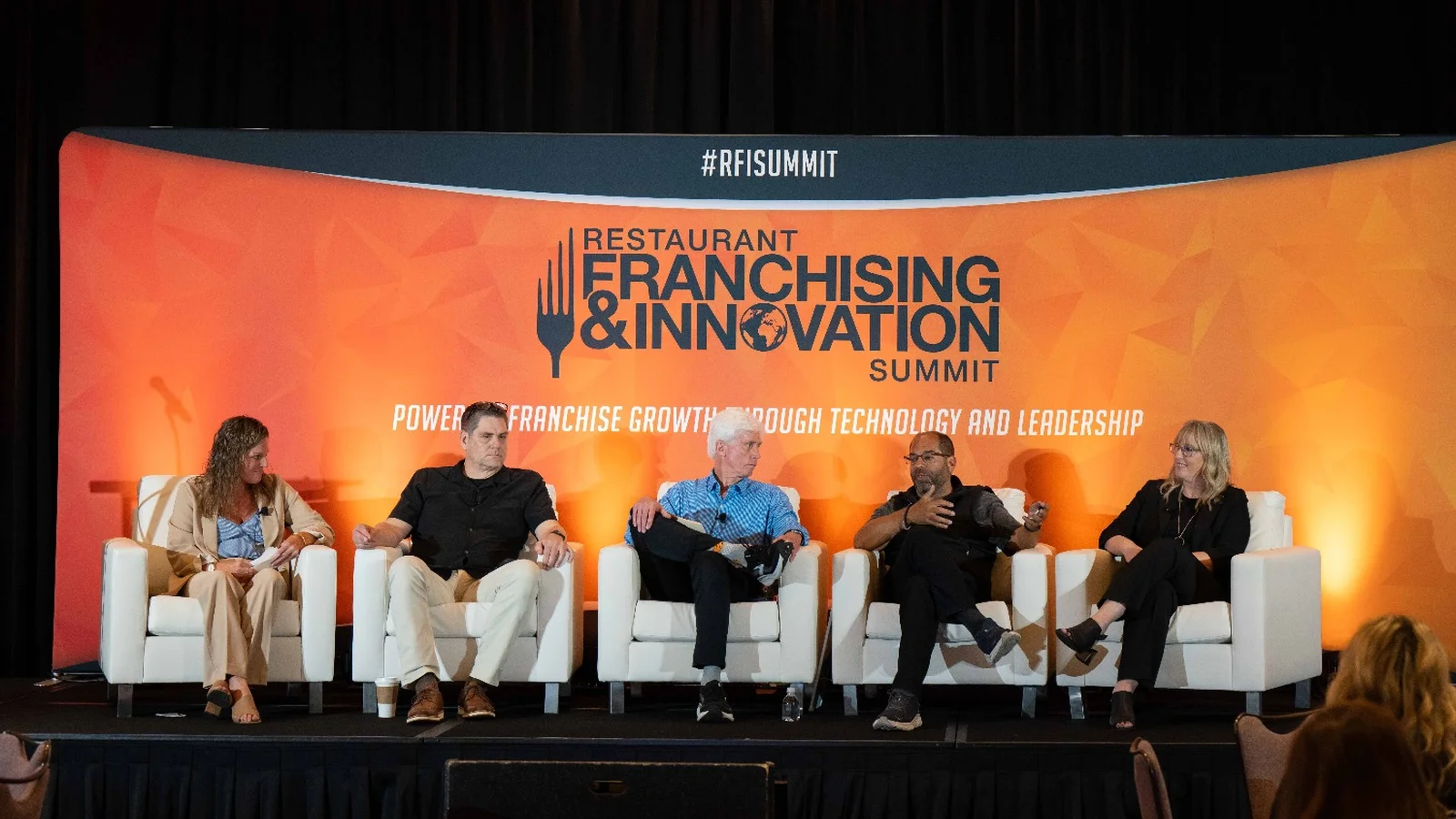
A session called "Off-premise Blitz: Dominating Delivery, Takeout, Catering & Drive-Thru" at the Restaurant Franchising and Innovation Summit in San Diego this spring took a look at modern off-premise dining and how it has impacted the restaurant industry. Speakers included Brian Bailey, founder and CEO of Old Carolina Barbecue Co., Craig Dunaway, COO of Penn Station East Coast Subs, Sam Stanovich, SVP franchise leadership for Craveworthy Brands and Katy Stocks, senior director of off premise and digital sales for Thrive Restaurant Group. The session was moderated by Meredith Yerkes, SVP of commercial strategy and growth for DSA Signage.
Consistency is key
Yerkes asked the panelists how they maintained brand consistency in food quality without sacrificing speed and profitability.
Stocks said Modern Market Eatery has a double-sided makeline.
"If we're making food from two lines and we have food costs associated with shelf lives on both lines, we've found that putting it in one line and having sort of team members staring at each other while the make line is built has been really helpful to maintain speed so that the dine-in guests get the food when they need it," Stocks said.
The brand's technology helps them split those multiple ways. They can put dine-in and takeout on one line and off-premise and third-party delivery on the second. Or they can put equal amounts of entrees on each side.
Dunaway said during the COVID shutdown, customers began telling Penn Station how they wanted to be served. The key to that is making sure they're serving the best possible product to the guest, whether they're dining in, carrying out or having it delivered by a third party. Catering only accounted for 1.2% of business before COVID.
During the pandemic, "overnight, carryout went to 100%. And you know, that was really difficult for us," Dunaway said. "Removing friction from the customer experience is key to maintaining consistency. It's been challenging for Penn Station, built ultimately a good move."
Stanovich questioned how to make customer transactions frictionless.
"Are we going to change because of friction the different ways that we order just in those traffic patterns?" Stanovich asked. "It's going to be an exciting year, and I think that's something that we all need to think about and start to look at that conversation looking at the future."
At both Penn Station East Coast Subs and Stanovich's brand, Big Chicken, made-to-order food is at the forefront of operations, taking upwards of three minutes or longer to cook.
"You can't operate a drive-thru in that way," he said. "There are very few brands that get away with extremely long drive-thru times. Most customers aren't that forgiving and create too much friction. So how do you create that balance? Now we're starting to see technology on the equipment, so what is the right balance for your brand that you have to think about because in those peak periods, you do need to cut your fries and have some prepped ready to go and work on timing to reduce that friction."
Bailey said at his brand, the employees see an order pop up on a screen and want to make it quickly; but, they're not recognizing that the order may not be picked up for another 15 minutes. Relying on technology to slow down that order from popping up too soon so employees make it at the right time and make it consistently.
Catering pain points
Yerkes asked the panelists about the catering maturity curve and if they could move a brand from stage one to stage four in catering, what would be the single most important factor.
Bailey said he believes Old Carolina Barbecue Co. is beyond a level four in catering. When he founded the brand, it was Old Carolina Barbecue and Catering Company. Investing in people is his top piece of advice and they've got a director of catering services and area catering leaders who build connections in the community.
The brand will cater upwards of 150 wedding events this year alone. Barbecue travels and holds well, making it a prime choice for catering.
Stocks said the No. 1 need for her brand is catering software that's built specifically for a company not only where they are now, but also where they'll be in the future.
"We have a three-hour lead time, so you can get a catering order in the morning at 8 and have to deliver it at 11," Stocks added. "By doing the three-hour lead time, you're getting much more business, but you also need to make sure your operators are equipped. And then further that, from a sales perspective, if you don't have a plan to be able to take all of your customer data, understand why they're ordering when and market to them, you're really behind in the game. So, to me, step one is deciding how you're going to grow, where you're going to start, and that software is table stakes at this point."
Dunaway said his brand is small in the catering game, and he studied the competition and determined his packaging was not cutting it. His company was creating so many pain points that no one wanted to order catering.
"We've revamped it where now you can order certain things as opposed to just going to the menu and ordering whatever you want," he said. "That didn't work. It just didn't work. People needed to have a better roadmap of what to order and how to order it and we've seen it pick up and we're slowly seeing upticks in our sales each month from catering because we've made that packaging better, we've made the order process easier and it's starting to show."
Upcoming Events
Restaurant Franchising & Innovation Summit
March 8-10, 2027 | New Orleans
Gear up for franchise growth! Join top restaurant executives for 2.5 days of networking, inspiring stories, and proven strategies. Discover how industry leaders are driving innovation and achieving unprecedented success.
View AgendaRegister NowAbout Mandy Wolf Detwiler

Mandy Wolf Detwiler is the Pizzamarketplace.com and QSRweb.com editor for Connect Media. An award-winning journalist, Mandy brings more than 20 years’ experience covering food, people and places. Mandy has been featured on the Food Network and has won numerous awards for her coverage of the restaurant industry. She has an insatiable appetite for learning, and, yes, she can tell you where to find the best pizza slices in the country.
Related Media
CateringPresented ByMONKEY Catering Platform
Subscribe
Get the latest news and resources from Fast Casual.
Recent Posts