Operations
Sweetgreen turnaround plan: 5 strategies to drive restaurant traffic and profitability
Following its Q2 2026 earnings report, Sweetgreen executives outlined how the fast casual chain plans to improve operations, increase transactions, leverage AI personalization and refine its growth strategy.
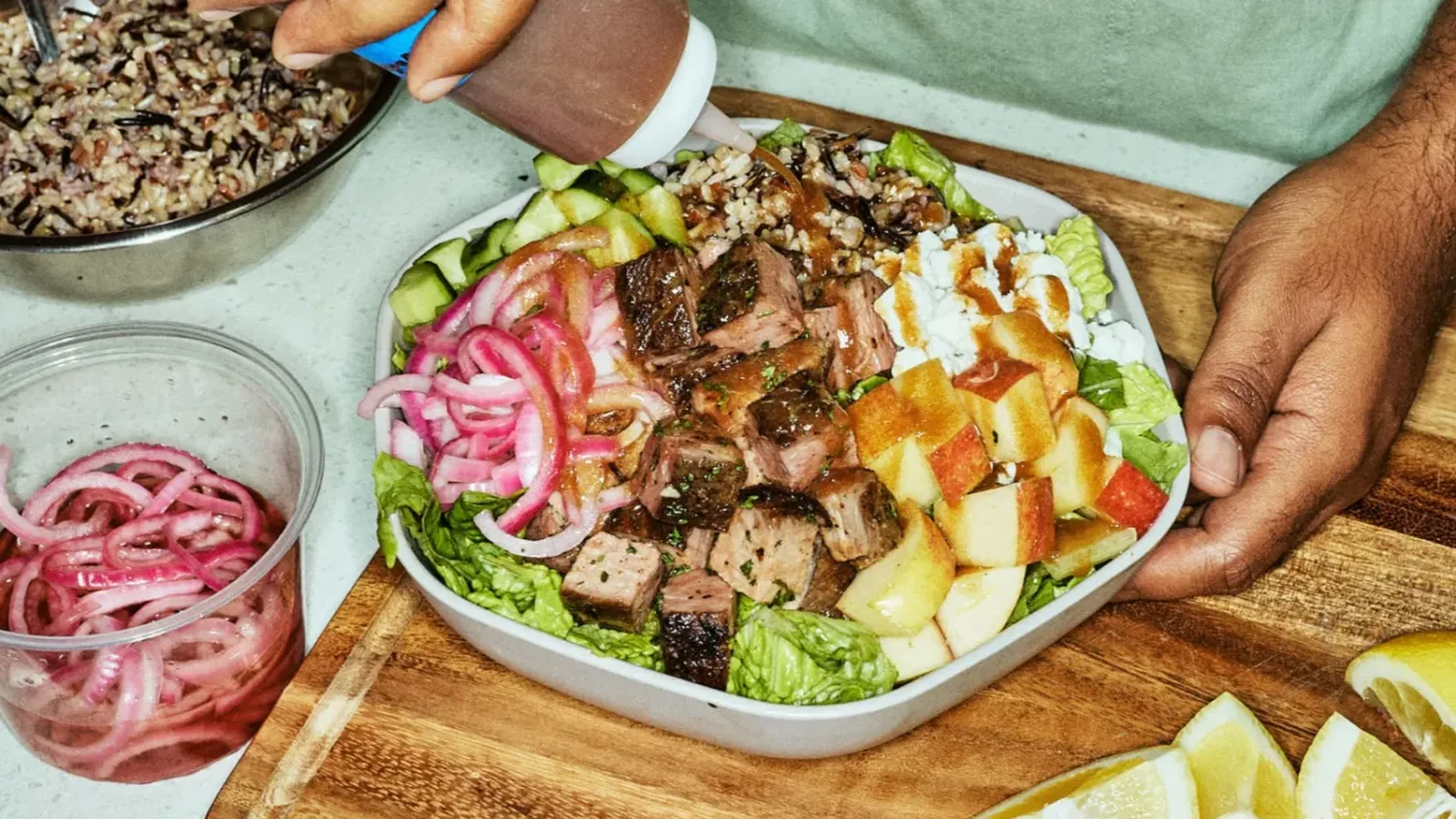
August 7, 2026 by Cherryh Cansler — Publisher, FastCasual.com
 ChatGPT
 Grok
Grok Perplexity
 Claude
Sweetgreen reported a challenging second quarter for 2026, marked by a 6.2% decline in comparable restaurant sales, a restaurant-level profit margin of 13.1%, and an adjusted EBITDA loss of $0.2 million on $192.7 million in revenue. Beneath the headline financial drag and external headwinds — including a recent regional Cyclospora outbreak tied to iceberg lettuce, an ingredient Sweetgreen does not use — executives said during Thursday's earnings call that they are doubling down on core store execution to get the business back on track.
Here is what Sweetgreen executives told investors about how they plan to turn the operator around.
The Strategy: Driving transaction-led growth
Throughout the earnings call, Co-Founder and CEO Jonathan Neman said the brand's recovery hinges directly on driving "transaction-led growth" rather than masking underlying traffic trends with price increases. Instead of relying on technology to fix traffic, Neman framed the company's turnaround around five core operational priorities: operational excellence, food quality and menu innovation, brand relevance, personalized experiences and disciplined, profitable investment.
"Outside of the recent events, our results are not where they need to be," Neman said during the call. "However, we know exactly where our opportunities are, ensuring every restaurant is consistently Rush Ready Before Peak during peak periods, increasing top-of-funnel awareness to bring more guests into the brand, and moving with greater speed to capture the margin opportunities we see across the business."
Operational discipline takes center stage
While automated kitchen technology remains part of Sweetgreen's long-term mix, executives devoted far more attention to frontline restaurant execution and throughput discipline. Neman emphasized that operational execution takes precedence over tech headlines.
"Throughput is our top priority, and we think about it as a flywheel," Neman said. "It starts with strong, stable leadership, which drives staffing, deployment and training decisions that put the right people in the right place at the right time, all in service of being Rush Ready Before Peak."
The focus on frontline scorecards and throughput routines yielded immediate operational gains prior to July's industry-wide public health headlines. In high-volume test restaurants with weekly throughput accountability, peak entrees prepared per hour rose from the low 50s in May to the low 60s in June, with top-performing units surpassing 250 entrees an hour on busy days. This operational focus helped sequentially improve comparable transaction trends each month of the quarter, culminating in flat transaction comps in June.
Menu innovation, accessible pricing
Menu developments played a crucial supporting role in driving guest frequency and attracting younger diners. The national launch of wraps maintained roughly 20% menu incidence, driving a 500-basis-point improvement in transaction trends and generating a 30-day return rate that outperformed even the brand's signature Harvest Bowl.
Addressing initial concerns regarding operational friction at the prep line, Neman pointed out that "customers, most importantly, are loving them," adding that teams managed to iron out early speed-of-service issues and accelerate throughput within four weeks of launch. To build on this momentum, Sweetgreen is also testing a redesigned "Create Your Own" pricing model that incorporates protein into the base price, aiming to eliminate price shock at checkout and clarify value for guests.
Real estate strategy: Slow down to speed up
Sweetgreen ended the second quarter with 287 locations, having opened two net new units, including two Infinite Kitchen locations. Under new Chief Development Officer Ryan Slemons, the company is refining its prototype costs, site selection and unit economics before pursuing aggressive unit expansion.
When asked by analysts how the company plans to approach new store openings in the coming year, Neman said that development will remain measured while core store performance is rebuilt. He described the current phase as "a slow down to speed up phase," explaining that the chain will continue opening stores at a conservative pace focused strictly on home-run sites while perfecting store economics for eventual reacceleration.
Technology as an operational support tool
Technology initiatives served as supporting news to the central operational narrative rather than standalone solutions:
AI & loyalty personalization: Sweetgreen is leveraging its digital ecosystem to re-engage lapsed diners.
"We recently launched an AI-enabled personalization engine into test in our CRM channel to understand the lift that we can expect from personalization," Neman said.
Smart Ordering & Inventory Tools: CFO Jamie McConnell highlighted backend operational enhancements aimed at unlocking 150 basis points of margin efficiency over time, saying that the brand was "testing the enhanced recommended ordering tool in select restaurants" to better align sales forecasts with store inventory needs, reducing waste while protecting portion consistency.
About Cherryh Cansler

Related Media
Featured Vendor

Momos Guest AI is the leading AI platform built for multi-location brands. We help restaurants, QSRs, retail, and hospitality teams deliver better guest experiences across every location by unifying customer service, operations, and marketing into a single end-to-end platform - turning one-time customers into repeat guests.
Subscribe
Get the latest news and resources from Fast Casual.
Recent Posts


Recent Podcasts