Operations
3 things fast casual operators can steal from Starbucks' turnaround quarter
The company's latest earnings call shows how targeted store upgrades, daypart-focused operations and smarter loyalty perks helped fuel growth — and why the same principles can work beyond coffee.
July 30, 2026 by Cherryh Cansler — Publisher, FastCasual.com
 ChatGPT
 Grok
Grok Perplexity
 Claude
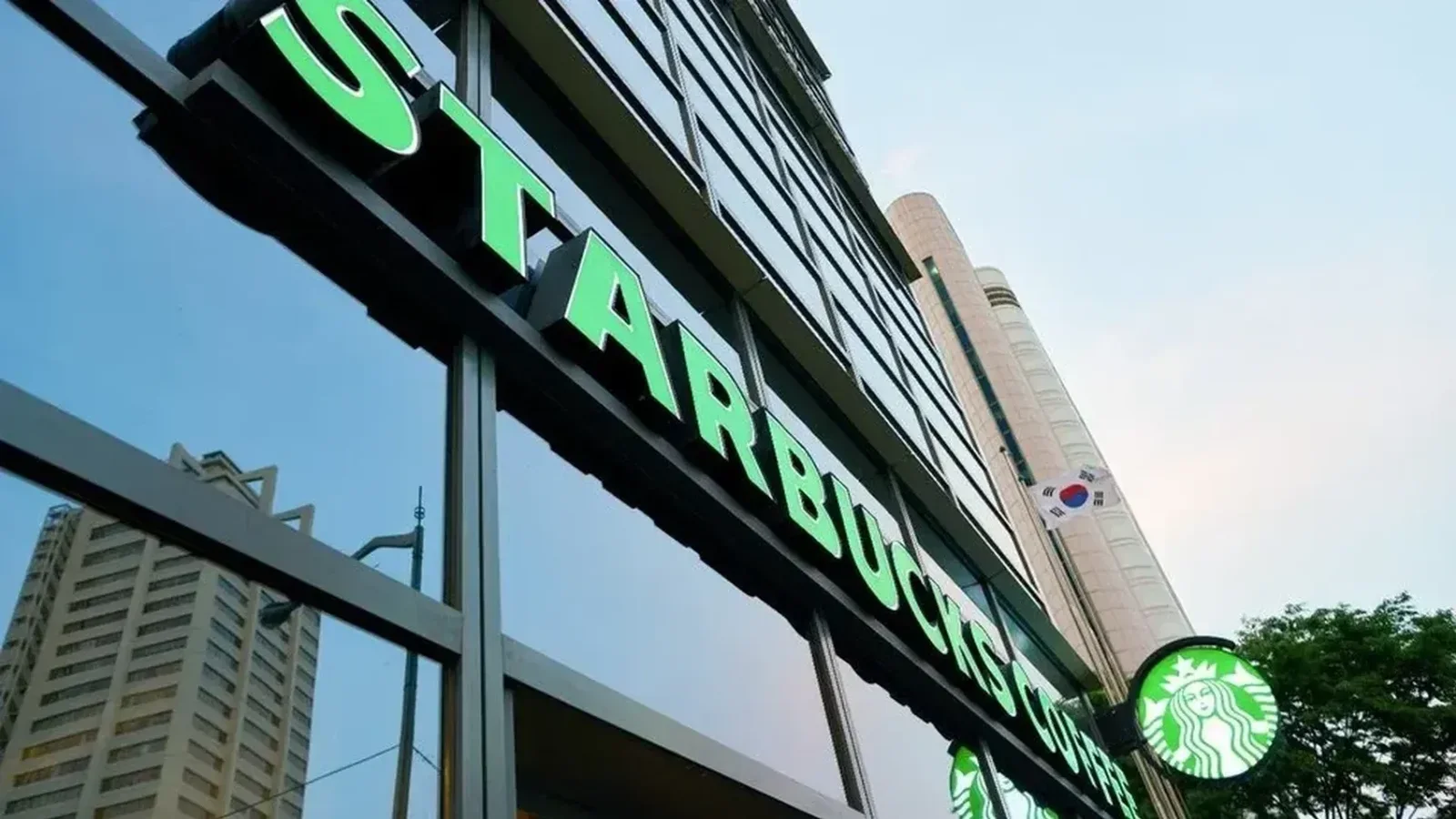
Starbucks' latest earnings weren't just good news for investors — they offered a practical playbook for restaurant operators looking to grow sales without dramatically increasing costs. During Wednesday's earnings call, Chairman and CEO Brian Niccol and CFO Cathy Smith outlined the strategies behind the company's fourth consecutive quarter of global comparable sales growth, including lower-cost store refreshes, a disciplined daypart strategy and loyalty perks designed to change customer behavior.
Starbucks reported net revenue of $9.3 billion, global comparable sales growth of 7.9% and earnings per share of 85 cents, up about 70% year over year. The company also raised its full-year fiscal 2026 guidance, projecting consolidated operating margins above 11% and full-year EPS of $2.55 to $2.65, citing sales leverage, cost discipline and easing coffee prices.
Beyond the numbers, the earnings call highlighted several operational tactics that regional chains and independent fast casual operators can realistically adapt.
1. Skip the full remodel; do the cheap version, overnight
Rather than pour money into ground-up remodels, Starbucks has been running lower-cost "uplifts" — refreshed seating, warmth and texture added to existing stores without taking them offline. The company passed 1,000 uplifts in North America during the quarter, ahead of its fiscal 2026 goal, and is now pushing for at least 1,500 by year-end.
Smith said the projects run about $150,000 on average and are completed overnight so customer routines aren't disrupted. Early data show transaction gains across every access point, daypart, format and customer segment touched by an uplift, she said.
"We continue to improve the third-place experience with coffee house uplifts, adding back warmth, texture and great seats at a fraction of the cost of earlier remodels," Niccol said. "In short, we like what we're seeing, and they're proving to be a strong brand halo."
The takeaway for a fast casual brand isn't the dollar figure — it's the model. A round of targeted, lower-cost atmosphere fixes across a store base, rather than one expensive flagship remodel, can move sales without pulling a location out of service.
2. Treat dayparts as separate problems to solve in sequence, not at once
Niccol described the company's approach as deliberately sequential: win the morning first, then build the afternoon. He said the morning daypart has produced the biggest gains in absolute transactions because that's where staffing, deployment and service routines were fixed first. Afternoon growth is trailing, and executives are now pairing beverage innovation — cold, low-caffeine options like Refreshers — with new food tests to close that gap.
The lesson isn't specific to coffee. Any fast casual concept with a slow afternoon or late-night lull can apply the same logic: Fix throughput and staffing in the strongest daypart first, bank those wins, then design a distinct food and beverage push aimed squarely at the weaker part of the day rather than treating "sales" as one undifferentiated number.
3. Small, trackable perks can outperform generic discounts
Starbucks' loyalty program has grown to 35.8 million 90-day active U.S. members just four months after a relaunch, executives said. One feature, called Free Mod Monday, lets members try a menu customization at no charge. Smith and Niccol pointed to a specific behavioral signal from it: about one in three members who tried a new modification through the offer reordered it in subsequent weeks.
"In the U.S., we also provided Starbucks Reward members early access to our S'mores coffee lineup, highlighting the value of being a member," Niccol said. " S'mores beverages are resonating particularly well with Gen Z customers and are tracking as our strongest summer coffee LTO launch in the past several years. Taken together, our brand flywheel is working. We're creating experiences people are excited about, turning engagement into rituals and deepening customer connection that fuels long-term growth."
Smaller operators can do something similar; Instead of a blanket percentage-off promotion, a narrow, low-cost perk tied to a specific menu action can double as product testing — operators can see in near real time whether a new item or customization has staying power before committing to a full menu rollout.
About Cherryh Cansler

Related Media
Subscribe
Get the latest news and resources from Fast Casual.
Recent Posts


Recent Podcasts