Food & Beverage
How functional beverages provide new reasons to visit
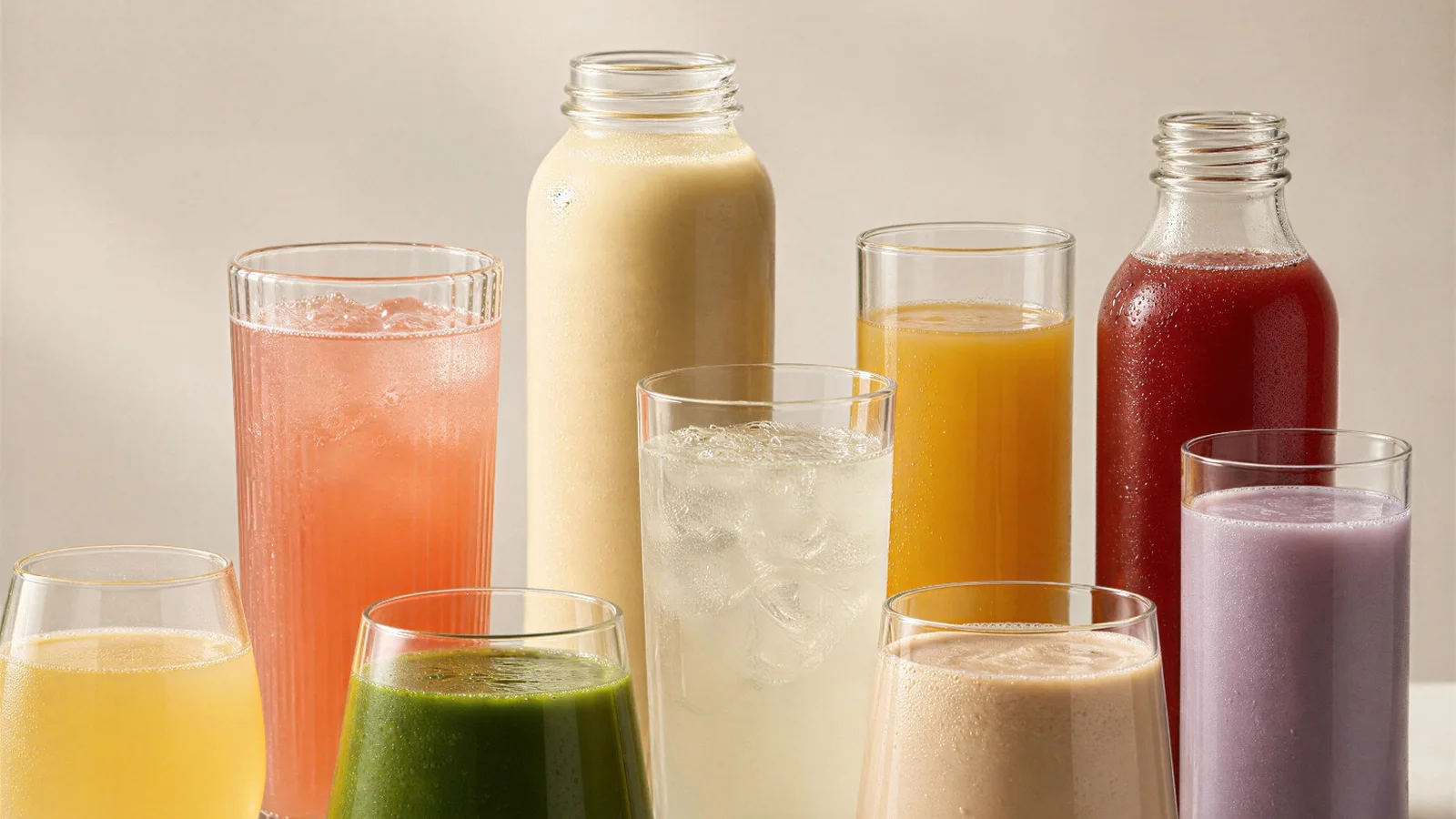
Functional beverages are creating new opportunities for juice and smoothie bars to attract customers across dayparts. From protein smoothies to energy and hydration drinks, brands are targeting specific consumer needs while balancing flavor, customization, operational efficiency and profitability.
October 23, 2026
 ChatGPT
 Grok
 Perplexity
 Claude
 Daniel BooneCourtesy of HB Protein SmoothiesOnce the purview of smaller health-food stores, functional beverages have become a category of their own as consumers place greater emphasis on health and well-being. For juice/smoothie bar brands, the trend offers opportunities to attract customers across dayparts, provided operators can deliver appealing benefits without sacrificing taste, service speed or profitability. "Energy, sports and protein beverages have been teaching consumers to associate drinks with benefits for years," Culinary Tides President Suzy Badracco told FastCasual.
"What's newer is that consumers aren't just looking for a healthy drink; they're looking for the right function for a particular moment."
The big picture
Functional beverages are drinks formulated or marketed to provide specific benefits, often with ingredients such as protein, fruit and vegetable extracts, herbs, minerals and vitamins. Depending on the product, benefits can include energy, hydration, cognitive function and general wellness.
According toFortune Business Insights, the global functional beverage market, including consumer packaged goods, was valued at $166.05 billion in 2025. The research firm projects the market will reach $372.4 billion by 2034, representing a compound annual growth rate of 9.4% from 2026 through 2034.
 Suzy BadaraccoCourtesy of Culinary TidesSocial media interest is also climbing.
Citing Spate's 2026 research, Badracco said mentions of the term "functional beverage" across Google, TikTok and Instagram increased 491.8% from June 2025 through May 2026. During the same period, mentions of protein packed as a beverage benefit rose 1,700%, protein water increased 144.8%.
That growth reflects a shift in how consumers approach beverage choices.
"Instead of always beginning with, 'I want a coffee,' 'I want a smoothie,' or 'I want a soda,' consumers increasingly begin with the outcome: I need energy. I need hydration. I want protein. I want focus. I want to relax. Then the beverage format becomes the delivery system for that need," Badracco said.
For restaurant operators, that shift creates opportunities to position beverages around specific needs and occasions rather than focusing only on traditional product categories.
Reasons to visit
 Noah BurgessCourtesy of Juice it Up!Functional beverages give customers reasons to stop by juice and smoothie bars outside their usual routines. Such drinks can help build new occasions around breakfast, exercise, afternoon energy needs and food-and-beverage combinations.
Juice It Up!, for one, has focused on dayparts to identify opportunities to encourage visits throughout the day.
"We've grown our breakfast daypart by 23% year over year by offering options that align with guests looking to start their day with protein," said Noah Burgess, the brand's director of research and development.
The evening daypart grew by 16%, driven in part by post-workout smoothies and bowls, he said.
Food pairings and promotions offer another way to encourage visits at different times of day.
Nekter Juice Bar co-founder Alexis Parra said protein-forward drinks are popular as pre- or post-workout options, while protein waffles appeal to morning customers.
"Some promotions pairing the two bring in clients at different times and for different needs," she told FastCasual.
Functional form follows operational function
 Kate MorganCourtesy of JambaExpanding a functional beverage menu is one thing. Delivering customized drinks efficiently is another. Building functional benefits into existing recipes and workflows can help operators expand their offerings without adding unnecessary operational complexity.
As and customization options affect inventory, employee training and service speed.
Jamba Vice President of Marketing Kate Morgan said the brand designs customization to fit within a consistent make-line workflow, using specific steps and formats to minimize operational complications.
"Enhancements like protein or vitamin boosts and Protein Cloud Whip are designed to integrate easily into existing builds," she said.
"This provides greater customization without significantly impacting speed or workflow."
Nekter also offers customization through its Make Your Own Juice and Smoothie options, but limits options that could slow service.
At HB Protein Smoothies, the existing menu provides a foundation for adding functional benefits without introducing an entirely new product category.
"Adding functionality doesn't require us to reinvent the menu or change the way we operate," co-founder Daniel Boone told FastCasual.
Juice It Up! offers a Create Your Own Juice option, focusing on ingredient versatility when developing limited-time offers. Burgess said the company looks for ingredients that can be used in at least five existing beverages or bowls.
"This allows us to create variety and innovation, while leveraging much of what we already have in our pantry," he said.
But not every trend is menu-worthy
Consumer interest alone doesn't guarantee that a new beverage will succeed. Operators must also consider ingredient costs, brand fit, operational feasibility and whether customers understand the product's benefits.
"We take a consumer-led, data-driven approach to evaluating new menu opportunities," Morgan said.
Jamba considers research findings, consumer relevance, operational requirements and potential value when assessing innovations.
"Ultimately, an innovation needs to deliver meaningful value for the guest, while making sense within our operational model," she said.
Ingredient costs can also force operators to rethink formulations.
"There is more than one way to make a functional beverage if you're willing to keep trying, or to eliminate other ingredients to afford the one you want," Parra said.
HB Protein Smoothies has used consumer trends to shape its four functional categories, while Juice It Up! considers whether products fit the brand and meet customer expectations.
Taste remains essential, even when a beverage offers a compelling functional benefit.
"We don't see functionality replacing flavor," Morgan said. "Consumers increasingly are expecting both."
Consumers also want flexibility in how they receive those benefits. Burgess said Juice It Up! introduced a Caffeine Invigorator lineup that customers liked for its concept and flavors. However, they also wanted to choose whether their beverages contained caffeine.
"That insight reinforced the importance of giving guests choice when it comes to functional ingredients, allowing the flavor and overall beverage experience to appeal to a broader audience while making the functional benefit optional for those who want it," he said.
Consumer education and patience can also influence a product's prospects. Parra recalled that Nekter introduced a turmeric lemonade in its early years, but the drink sold poorly and was removed from the menu. Several years later, as turmeric became more familiar to consumers, the brand reintroduced it.
The second launch was successful.
"Sometimes you have to let the education catch up with the function," Parra said.
The takeaway is that a beverage that fails to gain traction today might find an audience later, once customers better understand its ingredients and potential benefits.
Functional beverages and consumer routines
As consumers increasingly choose beverages based on outcomes, juice and smoothie bar brands have an opportunity to make functional drinks part of everyday routines rather than occasional purchases.
"People aren't just asking, 'What flavor sounds good?' They're also asking, 'What is this going to do for me?'" Boone said.
Burgess said the next wave of functional nutrition may focus less on adding ingredients to support a marketing claim and more on delivering benefits that consumers understand and can incorporate into their daily lives.
That means the successful functional beverage involves more than the ingredients. It should target a specific customer need, whether it's starting a morning routine with protein, replenishing electrolytes after a workout or relying on an afternoon boost that doesn't involve coffee.
"The trend isn't simply 'more functional beverages,'" Badracco said. "It's the movement from beverage categories toward beverage need states and occasions."
Related Media
Food & BeveragePresented ByOracle
Featured Vendor

Ovation is a guest experience platform for multi-unit restaurants that starts with a 2-question survey to drive revenue, streamline guest recovery, and easily improve operations. Thousands of restaurants, including leading brands like Dave's Hot Chicken, use Ovation to get more feedback, recover guests in real-time, and improve.
Subscribe
Get the latest news and resources from Fast Casual.
Recent Posts


Recent Podcasts