Technology
Matternet unveils autonomous drone delivery system through Dave’s Hot Chicken partnership
September 29, 2026
 ChatGPT
 Grok
Grok Perplexity
 Claude
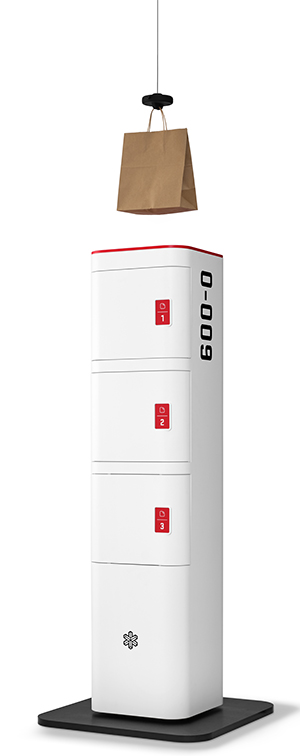 |
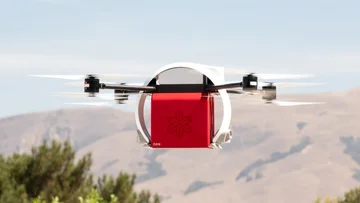
| M3 Portal Drop Box, courtesy of Matternet |
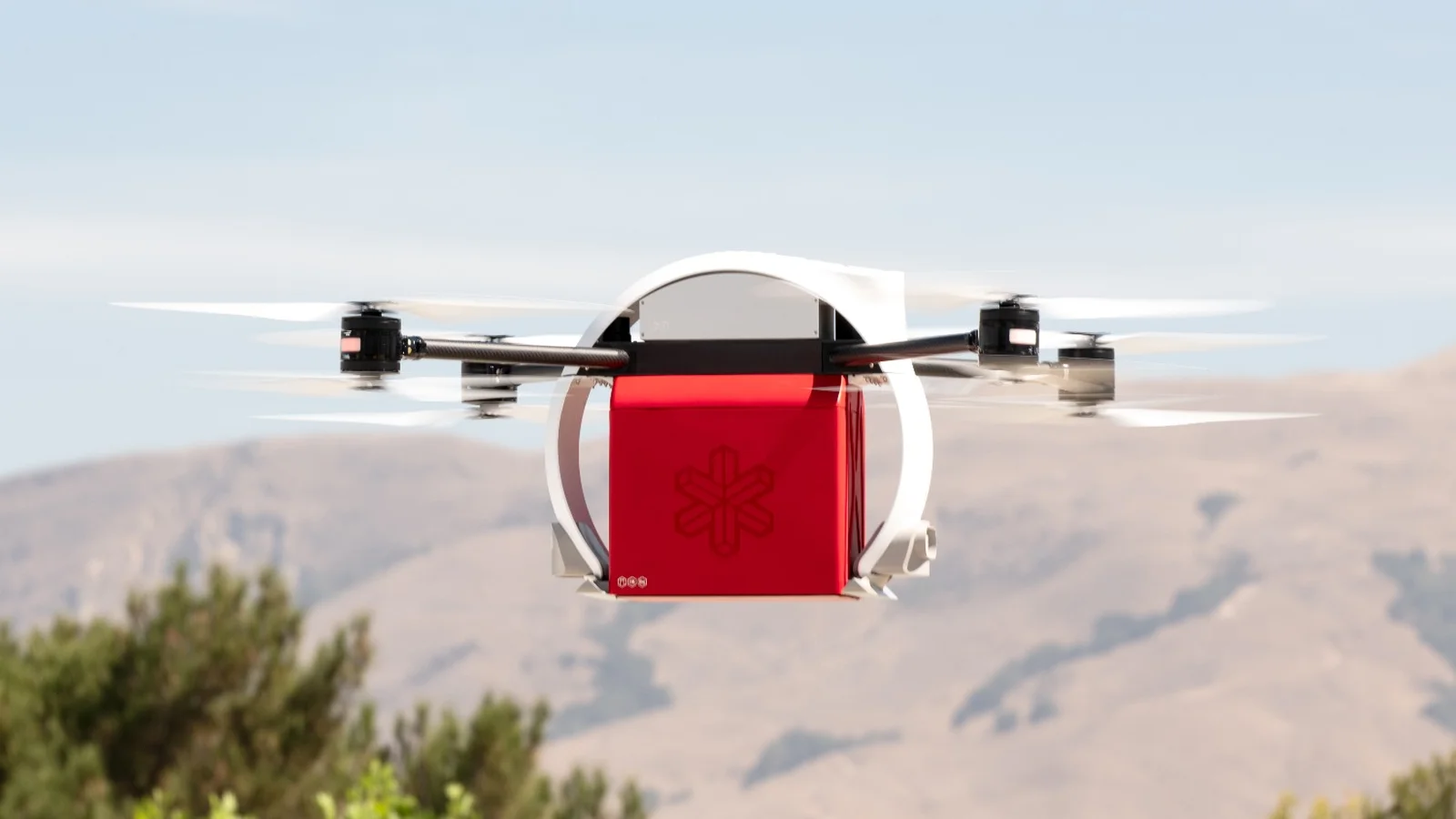
Matternet has unveiled M3, a next-generation autonomous drone delivery system designed to handle high-volume deliveries for restaurants, retailers, healthcare and industrial logistics.
Dave's Hot Chicken is an initial U.S. M3 launch partner. Matternet also tapped its current U.K. partner, Apian, for the technology, according to a press release.
How it works
The M3 is designed around compact delivery hubs that can be installed on rooftops or at ground level, as well as a portal at a company's site, like a restaurant. The system consists of an autonomous aircraft capable of carrying packages weighing up to 11 pounds within a 10-mile service radius. Also included are a charging system and drop-box portal where senders, such as restaurant workers, can place several packages at once for multiple pick-ups and deliveries.
M3 allows restaurants and other businesses to install a micro-hub on their roofs, while the design simplifies installation and speeds deployment, according to the release. Once the employee enters a food order into the system's M3 Portal, the delivery process is handled autonomously without an on-site operator.
"We started Matternet to build a new layer of transportation above our cities," Andreas Raptopoulos, Matternet founder and CEO, said in the release.
"M3 is how we scale drone delivery into an infrastructure layer that anyone can access and everyone can depend on."
Forward steps
The Mountain View, California-based company said it is targeting the second half of 2027 to launch its M3 commercial service, with plans to build manufacturing capacity in the United States. Additional partnerships will be announced in the coming months.
Matternet has more than a decade of experience operating commercial drone delivery networks in the U.S. and Europe. Its M2 system was the first drone delivery system to receive both standard type and production certifications from the Federal Aviation Administration.
"Drone delivery should be a utility: largely invisible, dependable and low-cost," Raptopoulos said in the release.
"A restaurant, retailer or hospital should be able to connect to an autonomous delivery network the same way a building connects to water or power."
Related Media
Food & BeveragePresented ByOracle
Subscribe
Get the latest news and resources from Fast Casual.
Recent Posts