Catering
Why the 'pizza party vs. raise' debate reveals a bigger catering opportunity
New data on workplace meals shows employees are more productive, more connected and more likely to return to the office when food is provided, creating a clear opportunity for restaurants to expand catering programs.
June 23, 2026 by Cherryh Cansler — Publisher, FastCasual.com
 ChatGPT
 Grok
Grok Perplexity
 Claude
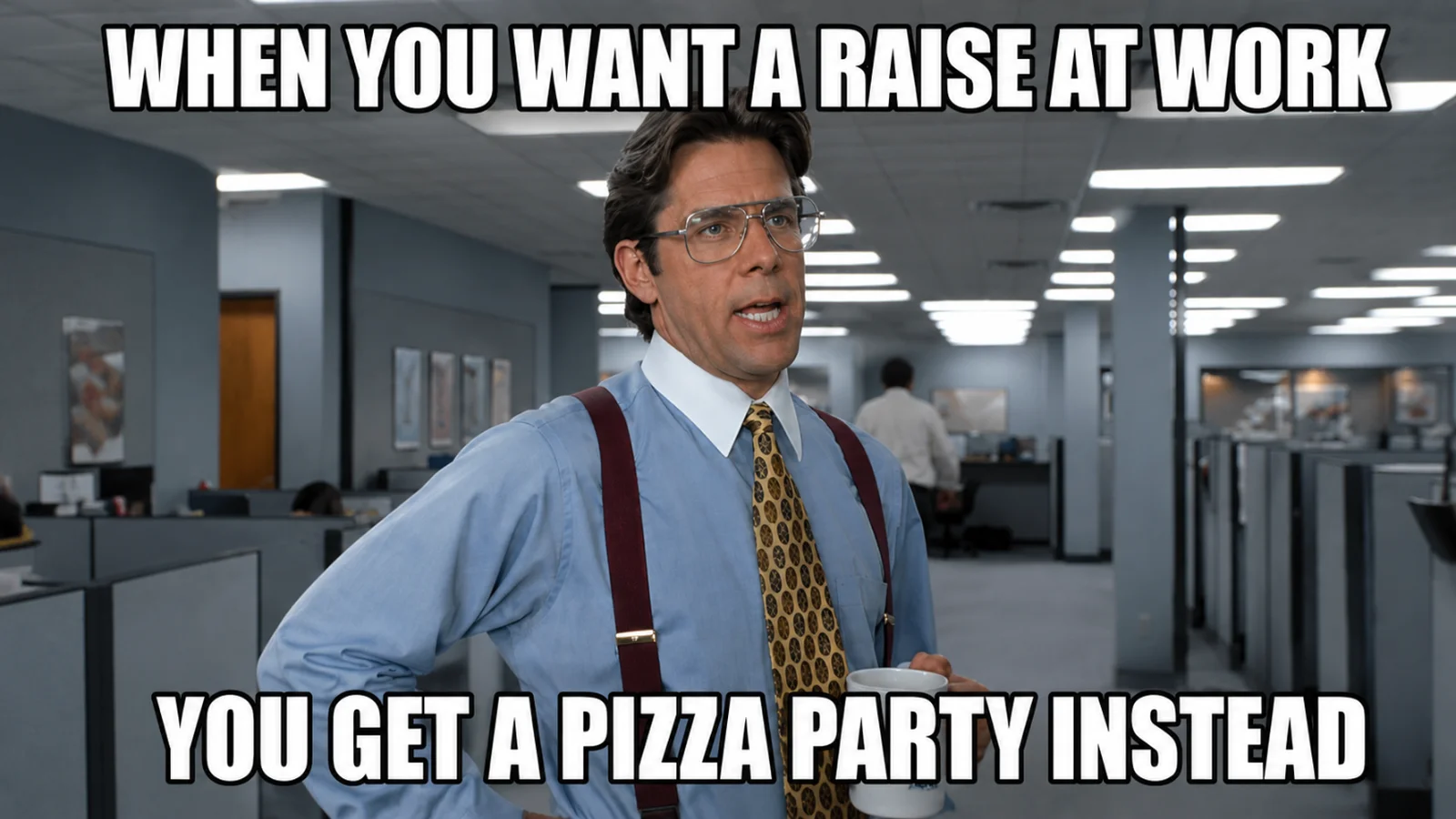
We've all seen the memes.
"Don't give me a pizza party. Give me a raise."
Although I'm pretty sure most employees would still choose the raise, new research suggests that we may have underestimated the power of food in the workplace. On the other hand, I own a hat that says, "Where the hot dogs at?" and a shirt that says, "Feed me, and tell me I'm pretty," so I've never doubted it, but those memes are still prevalent.
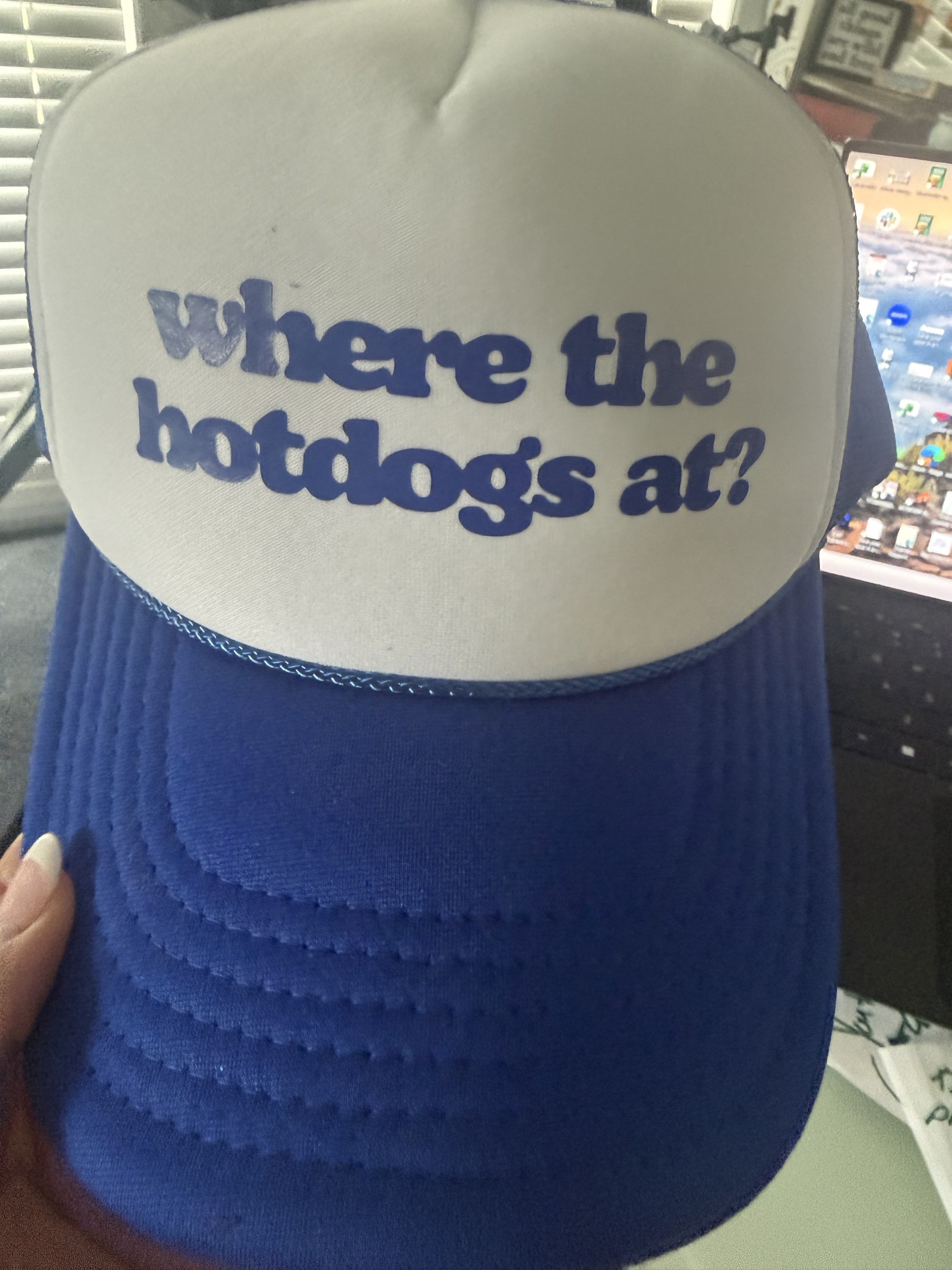 |
| I wasn't lying about the hat. Photo: Cherryh Cansler |
So, who is right?
Me, according to ezCater's 2026 Future of Workplace Experience report revealing that food isn't just a perk. It's becoming one of the most effective tools companies have to drive productivity, improve retention and create the human connections employees increasingly crave. The survey included over 1,000 American workers.
Surprisingly, food-related perks ranked as the No. 2 incentive workers say would encourage them to spend more time in the office, behind only flexible work hours. The report found that 80% percent of hybrid and remote workers said there are perks that would motivate them to come on-site more frequently, and food landed near the top of the list.
I'd have to agree; we just hosted the Restaurant Marketing Workshop at theToast HQ, and no one could believe their snack game — a barista on site to make drinks and a variety of chips, granola bars, soda, string cheese, meat and cheese, hard boiled eggs, trail mix and a freezer full of ice cream — they had it all.
Pay attention, fast casuals
For years, workplace catering was viewed primarily as a convenience play. Feed the team during a meeting. Bring in lunch during a training session. Order breakfast for an all-day workshop.
Today, the opportunity is much bigger.
The report found that 67% of workers say a daily or weekly employer-provided meal would make them more productive. Meanwhile, 69% said food-centered events help them feel more connected to coworkers. Perhaps most interesting, 60% said they're more comfortable asking a work favor from someone they've shared a meal with in person than someone they've only interacted with online.
Think about that for a minute.
In an era when AI is replacing some interactions and hybrid work is reducing others, a shared meal is becoming one of the few remaining moments where people naturally connect. The report found that 63% of employees believe AI tools are beginning to replace genuine human connection at work. At the same time, 60% said consistent human touchpoints help ease concerns about AI.
Food creates touchpoints
It's no longer just about feeding employees. It's about creating experiences that make office days feel worthwhile.
That shift presents a significant opportunity for fast-casual brands.
The brands that win workplace business won't necessarily be the cheapest. They'll be the easiest to work with, the most reliable and the most capable of helping employers create memorable experiences.
Restaurant operators should be asking themselves a few important questions:
- Can our menu accommodate diverse dietary needs without creating headaches for office managers?
- Can we deliver individual meals as easily as large-group catering?
- Can we create recurring programs that fit companies embracing hybrid work?
- Can we market ourselves as a culture-building solution rather than simply a food provider?
The last question may be the most important.
Employers are looking for ways to attract employees back to the office without mandates. According to the report, workers who were required to return on-site without receiving any new perks were 27% more likely to actively look for a new job.
That's a powerful business challenge, and restaurants can help solve it.
The report highlights a case study from Care.com, where providing on-site meals reportedly tripled attendance on key office days without implementing new return-to-office mandates.
That's not a catering order; that's a business outcome.
For fast-casual brands, the lesson is clear. Stop selling sandwiches, salads and burrito bars. Start selling connection, collaboration and workplace culture.
Because while employees may still joke about wanting a raise instead of a pizza party, the data suggests something surprising: The right meal, shared with the right people, may be one of the most valuable perks employers can offer.
And for restaurants looking to grow their catering and workplace business, that sounds like an opportunity they can't afford to miss.
About Cherryh Cansler

Related Media
CateringPresented ByMONKEY Catering Platform
Featured Vendor

Momos Guest AI is the leading AI platform built for multi-location brands. We help restaurants, QSRs, retail, and hospitality teams deliver better guest experiences across every location by unifying customer service, operations, and marketing into a single end-to-end platform - turning one-time customers into repeat guests.
Subscribe
Get the latest news and resources from Fast Casual.
Recent Posts
Recent Podcasts