Blog
Why most AI-powered drive-thru displays fail — And how to fix yours
Integration, not automation alone, is what separates effective menu boards from expensive screens.
September 8, 2026 by Tom Bingham — Senior Director, LG Electronics USA
 ChatGPT
 Grok
Grok Perplexity
 Claude
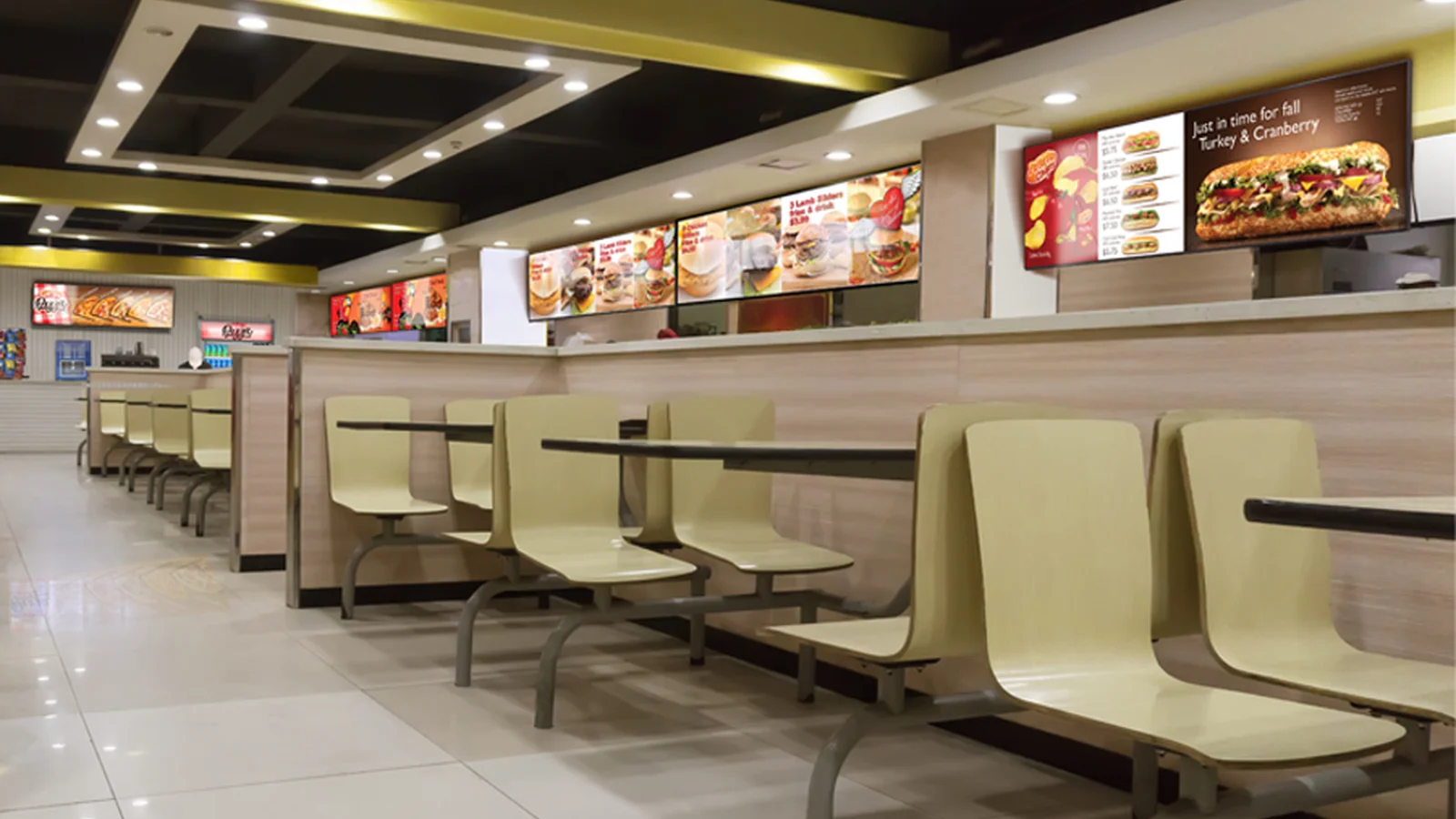
Fast food displays used to do one job: Show the menu.
But today, as QSRs compete for limited visits and expectations for speed continue to rise, those screens have become critical digital touchpoints that shape first impressions, influence orders, and affect how smoothly service moves through the line.
AI is making digital menu boards more intelligent and responsive so restaurants can adapt content and offers in real time, reduce ordering errors, and connect the guest experience more closely to restaurant operations.Dairy Queen's rollout of voice AI for drive-thru ordering is one example of how QSRs are beginning to apply these capabilities in the real world.
Now, the bigger issue is whether those customer-facing systems are connected to the data, workflows, and operations behind them.
When AI-enabled displays are built on the right operational foundation, they can do more than show static menus or inform guests. They can influence purchase decisions in real time and help brands measure which experiences are driving engagement and conversion.
Where AI display rollouts can go wrong
A national survey of American diners found that 80% say technology influences where they choose to eat, underscoring how much every customer-facing interaction now shapes the guest experience.
AI-enabled displays can improve those interactions, but only when they're built into the systems and workflows that run the restaurant.
Many restaurants deploy AI in displays without connecting it to the systems that power menu management, inventory, and promotions. Without that link, screens can show outdated offers, unavailable items, and other errors that push fixes back onto employees.
The opposite problem is over-automation. AI works well for routine interactions, but guest requests don't always follow a script. When restaurants expect AI to handle situations that call for judgment or flexibility, misunderstandings, inaccurate orders, and unresolved questions become more common. Employees then spend more time stepping in, wait times rise, and trust in the technology erodes.
What connected displays actually improve
The most effective displays avoid either extreme by balancing automation with human judgment. AI handles repetitive tasks, while employees step in when context, empathy, or decision-making matters most.
That balance depends on integration. When displays connect to a restaurant's core systems, they can keep menus current, streamline routine ordering, and reduce the burden of repetitive tasks on employees. AI-enabled drive-thrus have been shown to cut average service times by 21 seconds per order, giving staff more time to focus on complex guest needs.
Connected displays also become active marketing channels. A drive-thru menu board can promote breakfast sandwiches during the morning rush, shift to lunch items later in the day, or suggest complementary items based on what a guest orders. Instead of simply showing menu information, the display can influence purchase decisions in real time.
3. foundations for AI-enabled displays that deliver value
Ultimately, the value of AI isn't determined by the technology itself, but by how guests experience it through the display. The following three steps help ensure the technology improves both service and operations.
1. Start with a specific operational problem
One common mistake QSRs make is rushing to implement AI in displays before defining the problem it's meant to solve. Without a clear operational objective, AI becomes difficult to evaluate and even harder to justify.
Instead, start by identifying the outcome you want to achieve, whether it's improving order accuracy, reducing drive-thru wait times, or helping employees manage higher order volumes.
That objective should then guide where and how AI is integrated across displays. It creates a clear benchmark for success, so you can prioritize investments that improve the experience rather than add complexity to existing workflows.
2. Connect displays to restaurant systems and workflows
Once you've identified the problem you're solving, AI needs access to the systems that support it. Without those connections, displays are working from incomplete information, which limits their ability to improve operations.
That starts with connecting displays to menu management, inventory, and point-of-sale systems so they reflect real-time stock levels, pricing changes, and order flow.
Integration also extends to the people running the restaurant. Employees should understand when AI will handle an interaction, when they need to step in, and how the technology fits into day-to-day operations. The result is that staff spend less time correcting errors and more time serving guests.
3. Keep guests and employees at the center
The guest experience won't improve if people don't trust the technology. Every interaction should feel clear and easy to follow, never leaving guests wondering whether their order was captured correctly or what happens next.
AI-enabled display ecosystems can guide guests through ordering, keep menus and availability up to date, and confirm each step without requiring employee intervention. That creates a faster, more consistent experience and reduces the time staff spend answering routine questions or explaining unavailable items.
As a result, employees have more time for the moments where human judgment and empathy matter most, whether it's helping a guest customize a complicated order, answering questions about allergens, or resolving an issue before it becomes a complaint.
The path to AI-enabled restaurant displays that work
AI-enabled displays can make restaurants more connected, responsive, and efficient while creating a more intuitive experience for guests. But those outcomes depend on how well AI is integrated into the systems and workflows behind every interaction.
By investing in that foundation now, restaurants aren't just preparing for a distant future of AI; they're making sure every guest gets a faster, more accurate, and more useful experience today.
About Tom Bingham

Related Media
Featured Vendor

Ovation is a guest experience platform for multi-unit restaurants that starts with a 2-question survey to drive revenue, streamline guest recovery, and easily improve operations. Thousands of restaurants, including leading brands like Dave's Hot Chicken, use Ovation to get more feedback, recover guests in real-time, and improve.
Subscribe
Get the latest news and resources from Fast Casual.
Recent Posts




Recent Podcasts