Operations
Why Jersey Mike’s is no longer renting the customer
The shift toward first-party ordering is happening alongside another important change in the company's growth strategy: Jersey Mike’s is deliberately relying less on pricing to drive sales.
September 10, 2026
 ChatGPT
 Grok
Grok Perplexity
 Claude
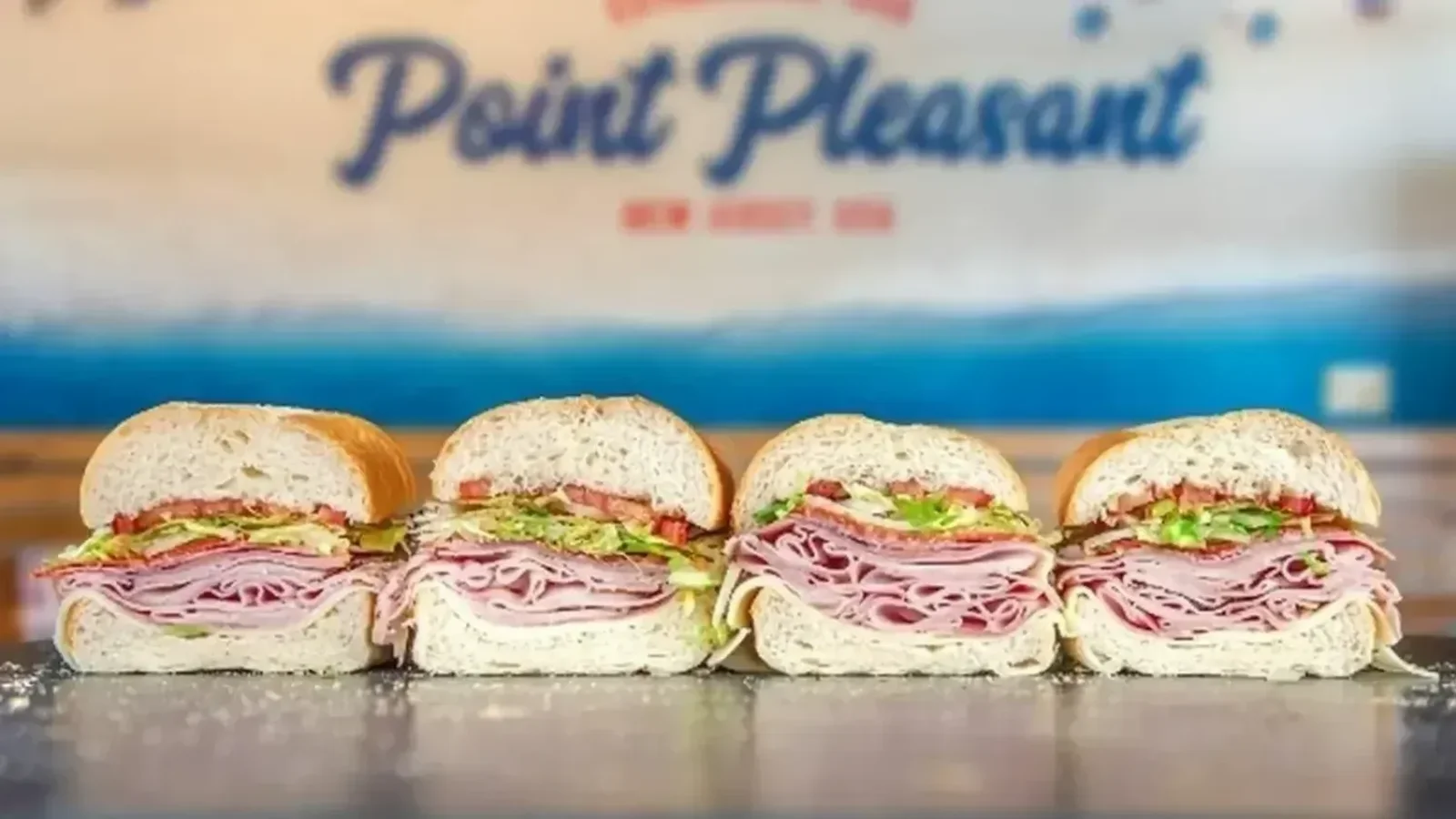
Jersey Mike's Subs is growing sales without leaning heavily on price increases, and CEO Charlie Morrison believes a bigger opportunity may be in something it can control more directly: The customer relationship.
"We retain the first-party data and that becomes a big driver for growth in the future," Morrison said during Wednesday's Q2 earnings call, which revealed the company reported 2.3% same-store sales growth in the second quarter, up from 1.7% in the first quarter, with transactions driving the increase. Systemwide sales rose 10% year over year to $1.21 billion.
The results came as Jersey Mike's continued to expand its store base, opening 83 restaurants during the quarter for 8.1% net store growth. The company ended the quarter with 3,378 restaurants.
Digital sales also continued to grow, accounting for 43% of sales compared with 41% a year ago. As digital becomes a bigger part of the business, however, Jersey Mike's is making an effort to move customers away from simply ordering through someone else's platform and into its own digital ecosystem.
The third-party delivery problem
Delivery represents just under 20% of Jersey Mike's total sales, but first-party delivery accounts for only about 3% of total sales, Morrison said. That leaves the majority of Jersey Mike's delivery business flowing through third-party platforms.
Morrison said the company changed its third-party delivery model in the fourth quarter of 2025, and is no longer receiving advertising revenue on third-party delivery markups. The bigger issue is the customer relationship.
Historically, the company did not do much call-to-action marketing around digital ordering. Instead of simply telling customers to click and order, Jersey Mike's is now using digital advertising to direct customers to its own mobile website or app, where they can choose pickup or delivery.
"We want them on ours," Morrison said.
The goal is to get customers into Jersey Mike's loyalty program and first-party ordering channels, where the company can continue communicating with them after the transaction and retain the data generated by those interactions.
First-party delivery has grown this year, Morrison said, although it is coming from a relatively low base. The company believes it could eventually represent as much as 10% of total sales with digital sales overall reaching 60% to 70% of sales.
Transactions, not price
The shift toward first-party ordering is happening alongside another important change in the company's growth strategy: Jersey Mike's is deliberately relying less on pricing to drive sales.
Morrison said the company reduced the amount of pricing it took in the fourth quarter of 2025 and instead focused on driving transactions. That strategy continued in the first half of 2026, and the company expects pricing in the second half to be about 1 point or less, with most growth expected to come from transactions.
Morrison called the transaction-led growth "unusual" in the current fast-casual market.
Menu innovation without the complexity
The company is also using menu innovation to create value without adding significant complexity. Its existing proteins, for example, can be used across hot subs and cheese steaks giving it room to introduce products without adding a long list of new ingredients or SKUs.
Mike's Hot Italian, for example, is priced at $8.95 and carries a food cost below 20% of sales, compared with an average food cost of approximately 27% for the brand, Morrison said.
Loyalty becomes the next growth engine
Jersey Mike's loyalty program is another piece of the strategy.
Loyalty signups increased 22% year over year through the quarter. The company now has 12 to 13 million loyalty users, including about 7 million active users, who visit nearly once a month on average.
Morrison said the company previously did not have the data capabilities it wanted, but the shift toward digital marketing and first-party transactions is giving it more opportunities to understand customers and target them more precisely.
He believes the loyalty database could eventually reach 30 million to 50 million users.
The approach also gives Jersey Mike's a way to measure whether promotions are creating lasting customers.
Catering adds another growth lever
Jersey Mike's also sees significant room to grow its catering business, which accounts for about 3% of sales on average. Morrison said it could reach as much as 10% in restaurants located in markets with a strong daytime population.
The company's best-performing restaurants, including those generating $2 million or more in annual sales, tend to have more robust catering businesses.
Jersey Mike's plans to increase awareness of catering through advertising while making sure individual restaurants are equipped to handle the additional volume.
Looking ahead
The company, which expects to maintain a long-term algorithm of high-single-digit unit growth even with more than 3,300 restaurants, has been adding roughly 300 stores per year and has 1,600 committed restaurants in its pipeline for the next five years.
Related Media
Featured Vendor

Ovation is a guest experience platform for multi-unit restaurants that starts with a 2-question survey to drive revenue, streamline guest recovery, and easily improve operations. Thousands of restaurants, including leading brands like Dave's Hot Chicken, use Ovation to get more feedback, recover guests in real-time, and improve.
Subscribe
Get the latest news and resources from Fast Casual.
Recent Posts


Recent Podcasts