Operations
Shake Shack redraws digital line around kiosks
The burger chain now counts kiosk, app and web orders as digital and tracks third-party delivery on its own.
November 13, 2026 by Cherryh Cansler — Publisher, FastCasual.com
 ChatGPT
 Grok
 Perplexity
 Claude
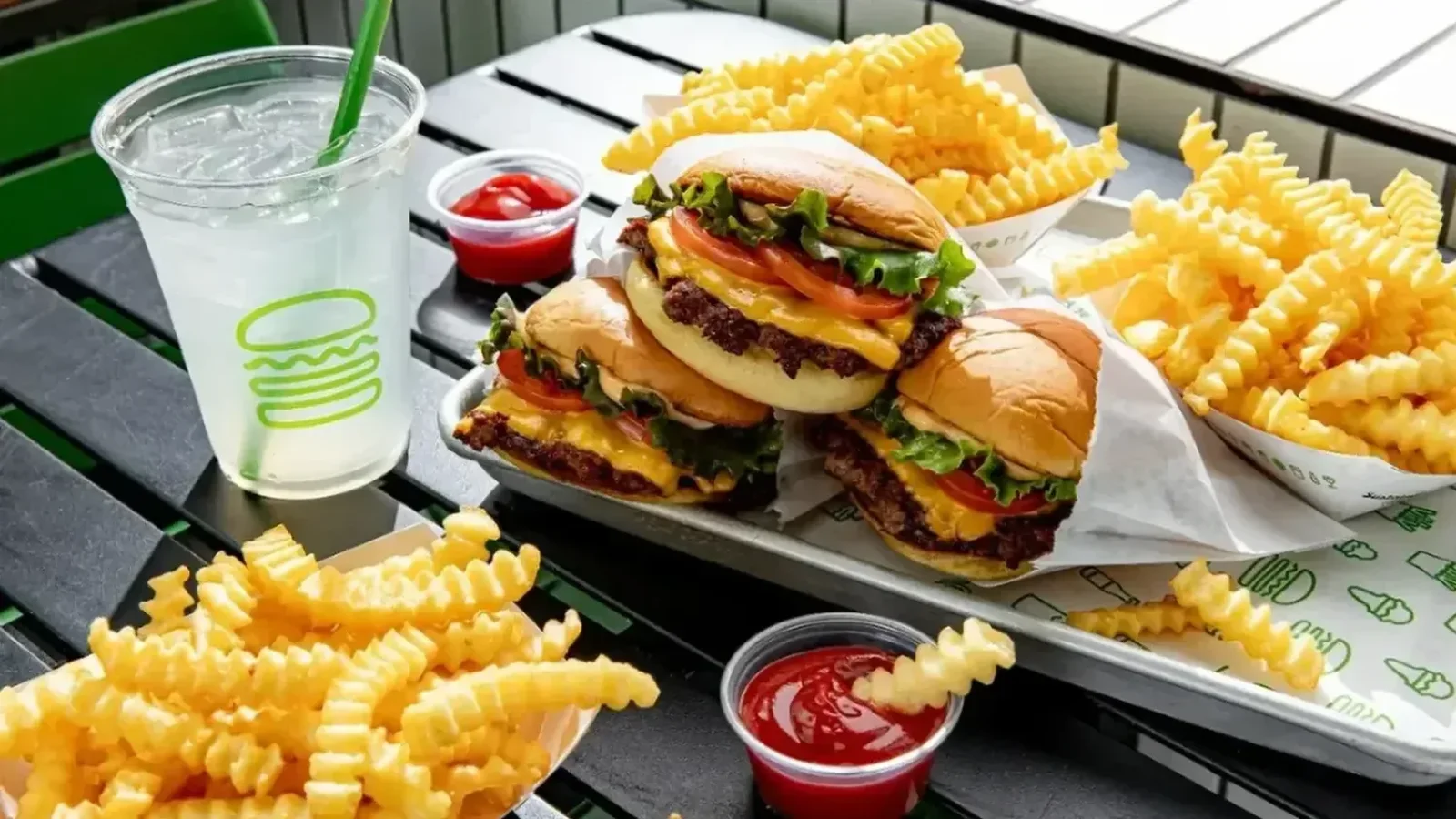
When Shake Shack reported a fifth straight quarter of traffic growth last week, its digital sales figure looked familiar, about 60% of Shack sales, but the number now measures something different.
Starting in the third quarter, the New York-based chain counts in-Shack kiosks, its app and its website as digital. Third-party delivery, once part of that figure, is now tracked as a separate channel.
The change reflects how the company, which ended the quarter with 738 locations (427 company-operated and 311 licensed), now thinks about digital: not as any order placed on a screen, but as orders placed in channels Shake Shack controls.
"We now define our digital mix as the channels where we control our communication and interaction with our guests," CEO Rob Lynch said during the company's third-quarter earnings call.
Same share, new meaning
Shake Shack restated its earlier results under the new definition, and the share has barely moved. Digital sales totaled $240.2 million in the third quarter, or 58.9% of Shack sales, according to the company's quarterly filing. A year earlier, the same channels made up 58.2%.
In other words, guests aren't suddenly ordering differently. What changed is what Shake Shack is choosing to measure and manage.
In its filing, the company said the new definition better reflects how it makes investment decisions and reviews its digital business to understand guest behavior.
"We've updated how we define digital mix to better align with our strategy of growing and investing in the channels we own," a Shake Shack spokesperson said in an email interview with FastCasual. "Going forward, digital mix includes the channels where we directly manage the guest experience and interaction: In-Shack Kiosks, the Shack App and Web."
Delivery gets its own lane
Pulling delivery out of digital isn't a step back from it. Executives credited both delivery and the owned channels for the quarter's traffic gains.
"Both our owned digital channels and third-party delivery are driving traffic growth, while our owned channels also enable us to capture valuable guest data and drive higher guest lifetime value through personalized engagement," CFO Michelle Hook said in a shareholder letter.
Lynch described delivery as a healthy, fast-growing part of the business that reaches new guests through third-party partners. Shake Shack doesn't disclose what share of sales comes through delivery.
The split gives each channel a job. Delivery widens the brand's reach. Kiosk, app and web are where Shake Shack builds a relationship with the guest it already has.
Why the kiosk
The kiosk is the bigger story. Lynch said most orders inside Shacks now come through kiosks, and guests who have signed up for the app or the brand's offers can redeem those offers there.
"We pulled delivery out of digital and added our kiosks in because we are able to deploy offers and track purchase behavior on our kiosks," Lynch said.
The recognition itself is simple. "We recognize guests at the kiosk through their phone number," the spokesperson said. "Guests can enter the phone number associated with their account to identify themselves and access any available offers."
That turns the kiosk into more than a way to shorten the line. It's a point where Shake Shack can recognize a signed-up guest, deliver a personalized offer and record what they buy, without asking them to open an app.
"Once a guest identifies themselves, we can better understand how they engage with Shake Shack, from the offers they use to what they've ordered before," the spokesperson told FastCasual. "That helps us create a more personalized experience and gives our teams more opportunities to deliver great hospitality."
It is not the app only where the value shows up.
It is also in the kiosk," Lynch said.
Those guests matter. Lynch said digital guests visit more frequently and spend more over the course of a year. Hook said the company is intentionally investing in its owned channels to gather guest data, better understand behavior and raise lifetime value.
Offers instead of discounts
The kiosk also explains how Shake Shack is handling value. Gross pricing was about 4% in the quarter, but price and mix added just 1.7% to same-Shack sales, as the company spent on targeted offers, promotions and channel-specific marketing.
It grew traffic while spending less on marketing than a year earlier, which Lynch credited partly to better-targeted offers in its own digital channels.
"So, we are reaching the right people to drive trial and the right people to drive frequency, and we're doing it in a more efficient and effective way," he said.
Next up: loyalty
The owned channels are also the foundation for Shake Shack's first loyalty program. It is part of Project Catalyst, the technology overhaul the company announced in April, which also covers restaurant systems, data infrastructure and AI tools.
Lynch said a beta could arrive in the fourth quarter or the first quarter of 2027, but only if it lives up to the brand's hospitality standards. He said he doesn't expect a big near-term lift in sales or margins from it, and wants the program to be "more than just a points-based program."
"We want it to be an engagement tool, hearkening back to Danny Meyer's Union Square Hospitality Group, when someone walks in and they know your name and they know what you have ordered in the past and they know that it is your anniversary or your birthday," he said.
For operators with kiosks already in their dining rooms, Shake Shack's approach raises a practical question: Do those screens know who is ordering?
Wanna hear more?
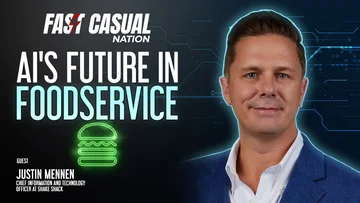
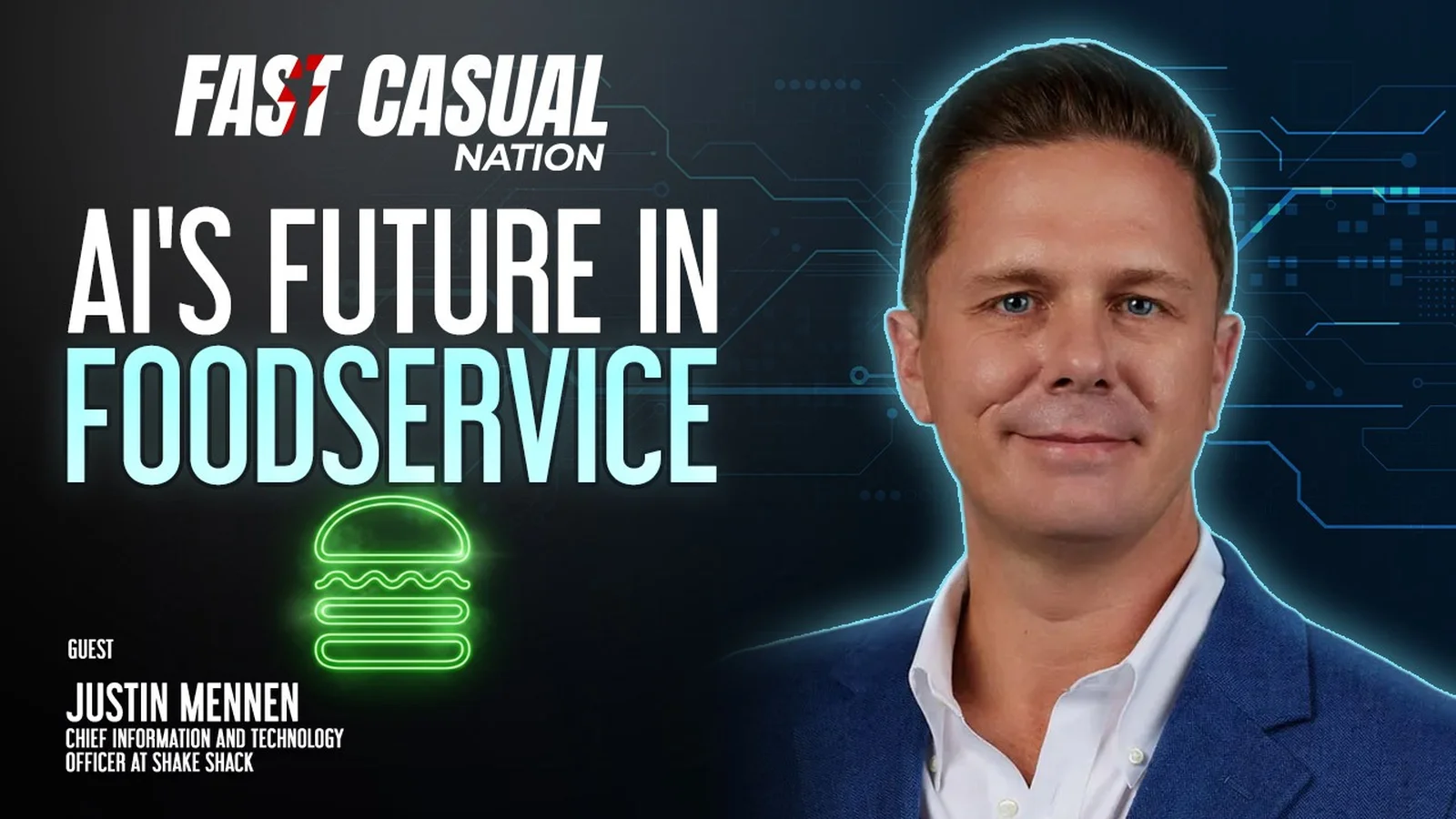
Hosts Paul Barron and Cherryh Cansler chat with Justin Mennen, chief information and technology officer, to talk about Project Catalyst and how Shake Shack is integrating AI. Watch it here.
About Cherryh Cansler

Related Media
TechnologyPresented ByOracle
Subscribe
Get the latest news and resources from Fast Casual.
Recent Posts
Recent Podcasts