Delivery
First ezCater, now Instacart? Delivery's consolidation wave keeps rolling
If DoorDash and Instacart come together, what gets better for the operator?
October 27, 2026
 ChatGPT
 Grok
 Perplexity
 Claude
Three weeks ago, when Uber agreed to buy ezCater, the question operators kept asking was a simple one. California Tortilla's Mike Dolinger put it best when hetalked with Fast Casual: "Simply put: What gets better for the operator as a result of this partnership?"
Now DoorDash may be about to make that question a lot bigger.
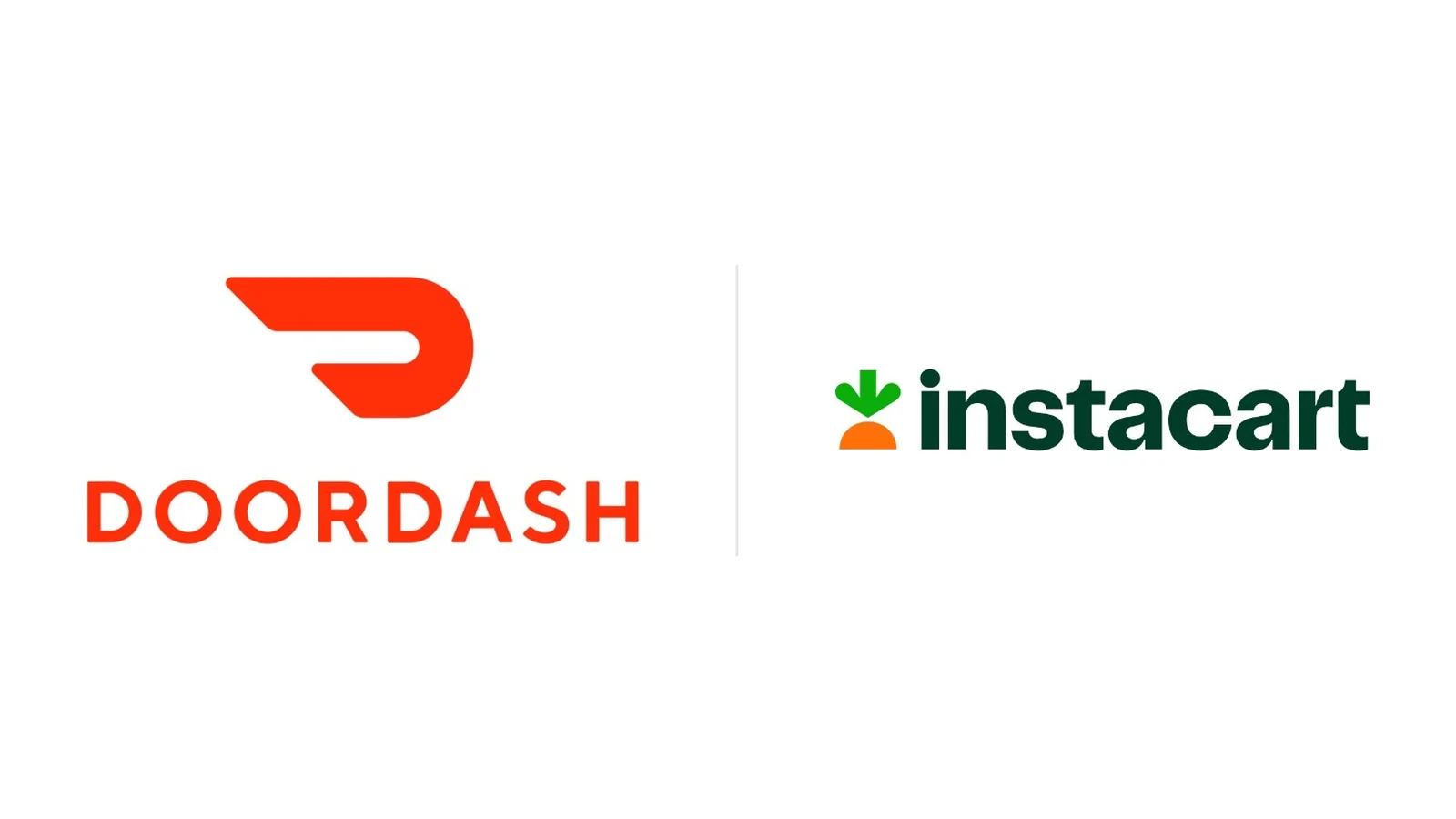
DoorDash is in advanced talks to acquire Instacart in a deal that could value the grocery delivery company at roughly $17 billion, The Wall Street Journal reported Monday, citing people familiar with the discussions. An agreement could come as early as this week, though there's no guarantee the talks produce one. Investors sent the two stocks in opposite directions Monday, with Instacart up about 8% and DoorDash down roughly 6%, according to Fox Business.
DoorDash nor Instacart returned Fast Casual's request for comment, and nothing is signed. What follows is speculation, but it's worth thinking through now, before the ink dries.
The ezCater deal set the table
Uber announced Oct. 6 that it would acquireezCater for $2.3 billion in cash, a deal expected to close in the coming months pending regulatory approvals. ezCater serves more than 140,000 restaurants and generated more than $2.5 billion in annual gross bookings.
When Fast Casual asked operators what that meant for them, the answers ranged from hopeful to uneasy. Jason's Deli's Gracie Prasanson hoped it would push more catering customers back to first-party ordering. Cowboy Chicken's Brittany Mercer noted that Uber had raised her brand's commission rate to 28% in the second quarter and wasn't sure what the acquisition would mean on top of that.
That's the backdrop for a possible DoorDash-Instacart combination: the biggest platforms buying their way into each other's lanes.
What the spending data shows
Michael Gunther, senior vice president of research and market intelligence at Consumer Edge, said the talks reflect a market that has shifted under everyone's feet.
"DoorDash's potential acquisition of Instacart comes as the competitive landscape for delivery has changed considerably over the past several years," Gunther said in an emailed statement. "Consumer Edge U.S. credit and debit card data shows DoorDash's share of spending across major delivery platforms, including restaurant and grocery delivery, increased from approximately 44% in Q2 2021 to nearly 59% in Q3 2026, while Instacart's shares declined from approximately 26% to 18%."
Uber Eats also gained share over that period, increasing from approximately 16% to 18%, although its share has been relatively stable over the past year while DoorDash has continued gaining ground.
These trends partly reflect the expansion of DoorDash and Uber Eats into grocery, convenience and other retail categories, increasingly competing in areas historically associated with Instacart, and highlight how the boundaries between restaurant, grocery and broader retail delivery have become increasingly blurred," he said.
What I'm watching as an operator would
Leverage: Fewer, bigger platforms usually means less room to negotiate. If Mercer's 28% commission is any signal, operators who already feel squeezed won't gain bargaining power from consolidation.
None of this means walking away from third-party delivery. The reach is real, and many brands depend on it. But the ezCater conversation already showed that reach alone isn't the win. The win is reach that comes with margins you can live with and a relationship with the guest you actually keep.
Related Media
Subscribe
Get the latest news and resources from Fast Casual.
Recent Posts
Recent Podcasts