Operations
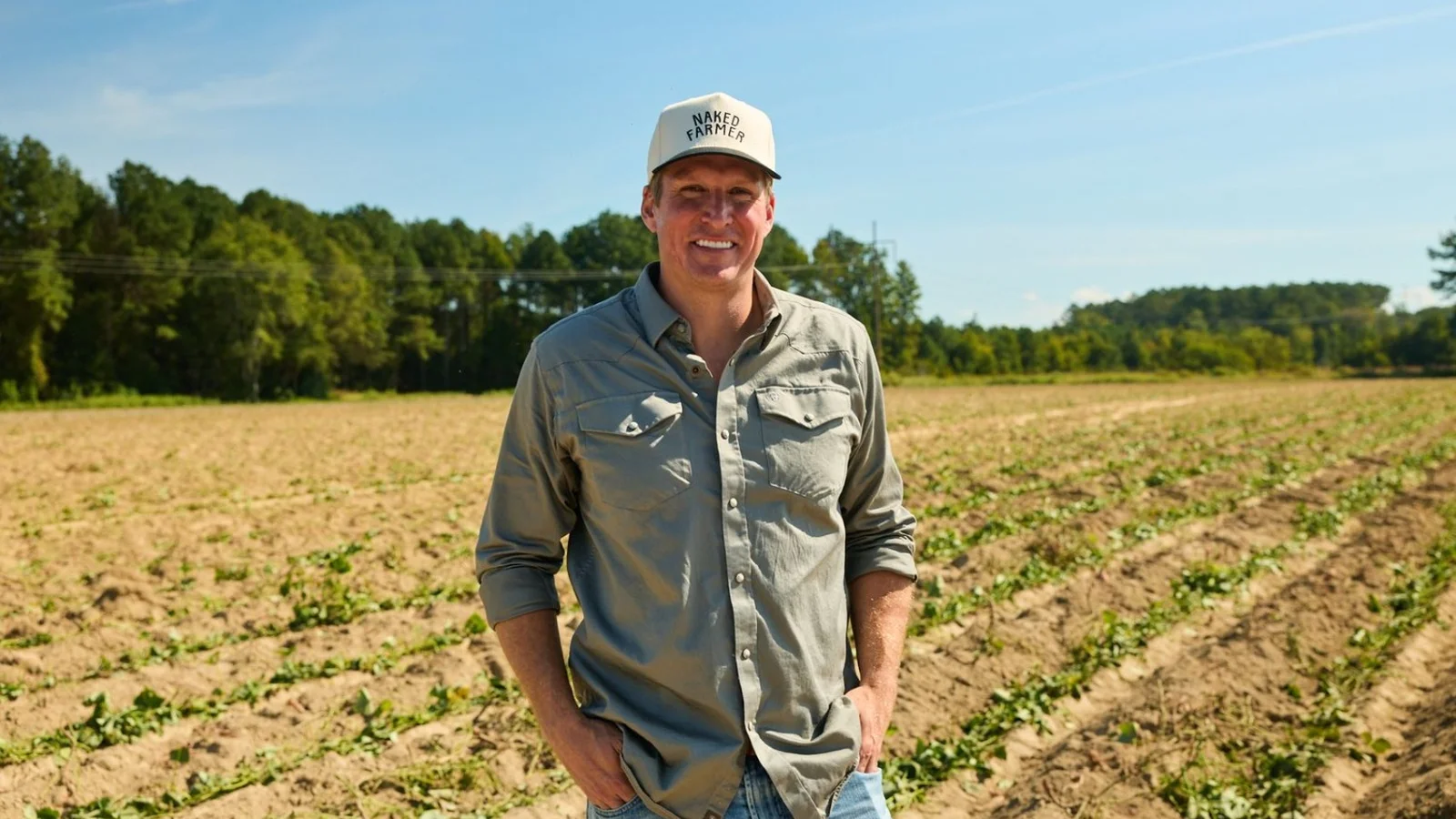
Naked Farmer’s Jordan Johnson is growing without giving away the farm
To open his first 11 locations, the founder started with using Small Business Administration-backed loans and moved to more conventional financing as the business matured. He and his banking partner share that strategy and how Naked Farmer will get to 25 locations over the next year.
October 20, 2026 by Cherryh Cansler — Publisher, FastCasual.com
 ChatGPT
 Grok
 Perplexity
 Claude
When competitors try to copy Naked Farmer's mac and cheese, founder and CEO Jordan Johnson takes it as a compliment, but the ingredient behind the fast-casual chain's growth may be harder to replicate: A business built on relationships, operational discipline and a willingness to prove itself before racing toward the next opening.
Johnson launched the farm-to-table concept after investing his life savings in the business. Then COVID-19 hit.
What could have been a devastating start became an early test of the concept's resilience. Naked Farmer's bowl-focused, takeout-friendly model helped it navigate the pandemic, while Johnson's relationships with local farmers helped establish the brand's identity before the business was even off the ground.
Today, Naked Farmer operates 11 restaurants across Florida, North Carolina and Tennessee and plans to grow to as many as 15 locations by the end of 2026 and add another 10 in 2027.
Johnson isn't chasing unit growth at any cost, however. Instead, he has taken a deliberate approach to financing expansion, working with Valley Bank first on Small Business Administration-backed loans and later on conventional financing as the business matured.
That relationship has helped Naked Farmer fund its growth without selling a majority stake in the company.
For restaurant operators hoping to scale, Johnson's story offers a lesson that goes beyond securing a loan: Growth starts long before a restaurant owner needs capital. It starts with proving the concept, building a team that can execute and creating relationships with people who believe in the business.
Prove the business before chasing the next location
Johnson's initial investment demonstrated his conviction, but conviction alone wasn't enough to build a multi-unit restaurant company.
As Naked Farmer expanded, the business needed to demonstrate that its restaurants could consistently generate profits, produce enough cash flow to repay debt and repeat their success beyond the original location.
It also needed reliable financial reporting and a management team capable of overseeing multiple restaurants.
The shift in financing reflected a shift in the business itself. Early on, the opportunity was about backing a founder and a promising concept. Later, it was about financing a proven operation with a track record.
Benjamin Powers of Valley Bank, who worked with Naked Farmer on its financing, said the company's early performance and leadership helped distinguish it from other startup concepts.
Preserving equity capital for growth.
The SBA's loan guarantee structure also helped the bank manage the risk associated with financing a young business. Rather than immediately moving to conventional financing, Valley and Naked Farmer agreed to continue using SBA-backed debt while the company expanded, allowing it to preserve equity capital for growth.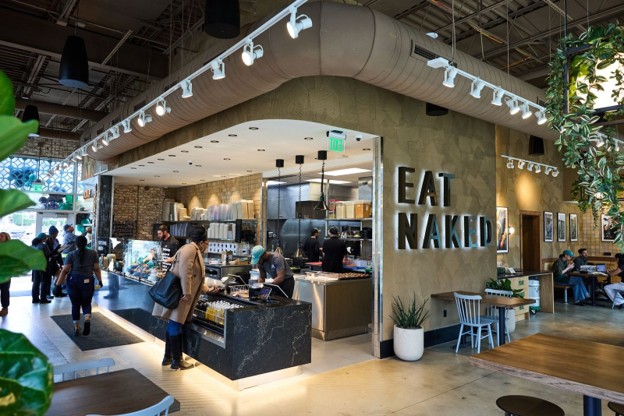
By the time Naked Farmer had seven restaurants, its cash flow had become more established and its revenue sources more diversified. Valley then provided a guidance line of credit designed to support a larger credit facility before converting it into a long-term loan.
The takeaway for other operators: Don't assume the next restaurant is justified simply because the current one is busy.
Johnson said disciplined site selection, consistent restaurant performance and the ability to replicate success were essential to earning the right to expand.
"We had to earn the right to grow through the performance of our existing restaurants," he said.
That discipline has shaped how the company evaluates opportunities. Every new location must make financial sense, while the organization supporting it must have enough capacity to handle the additional workload.
Build the banking relationship before you need the money
One of the biggest mistakes restaurant owners make, Johnson said, is waiting until they need financing to start building a relationship with a bank.
By then, they are asking a lender to make a consequential decision without much history to draw on.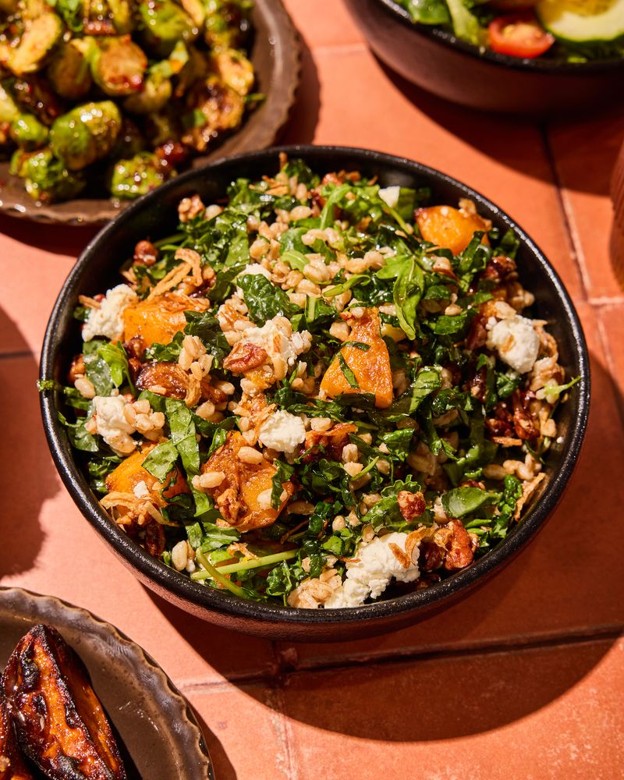
"Start on day one," Johnson said.
That means keeping clean books, understanding restaurant-level economics and communicating regularly with a banking partner. Operators should be able to explain what drives sales, how much a new restaurant costs to open and how the business is responding when something goes wrong.
A compelling concept might get a lender's attention, but consistent execution and honest communication help build the trust needed to support future expansion.
Powers said Valley evaluates more than balance sheets when assessing a restaurant business. The bank also looks at leadership, attention to detail, customer service and whether employees appear invested in the company's culture.
At Naked Farmer, those qualities were visible across locations. Powers pointed to head chef Gabe Dilone and the ownership he encourages among store managers, as well as the attention to detail carried through to frontline employees.
For lenders, that matters because a strong culture can help deliver a consistent customer experience, which in turn can support sustained financial performance.
For operators, the lesson is equally practical: Build a team that can run the business well without requiring the founder to oversee every detail. A growing restaurant company needs more than a good menu. It needs leaders who can protect the guest experience as the number of locations increases.
Let your lender see the business firsthand
Financial statements tell a lender how a restaurant performed. They don't always explain why it performed that way or whether those results can be sustained.
As Naked Farmer prepared for its next stage of growth, Valley Bank's business lending team spent a full day visiting restaurants across multiple markets, meeting employees and watching the operation firsthand.
Johnson said the visit gave the bank a better understanding of the people and processes behind the numbers.
"It's pretty unique for a group of bankers to get out of the office, roll up their sleeves and go on a road show to see where the rubber meets the road," he said.
The visit also helped Valley understand the challenges that come with expanding a restaurant brand across markets. The goal wasn't simply to see successful restaurants. It was to understand how the company maintained its standards and whether its operating model could support further growth.
For operators seeking financing, Johnson's experience suggests that transparency should extend beyond sending a lender monthly reports. Invite the bank to understand the business. Explain the decisions behind the numbers and be candid about the obstacles.
The stronger the lender's understanding of the operation, the better positioned both sides may be to assess the risks and opportunities of expansion.
About Cherryh Cansler

Related Media
Featured Vendor

Ovation is a guest experience platform for multi-unit restaurants that starts with a 2-question survey to drive revenue, streamline guest recovery, and easily improve operations. Thousands of restaurants, including leading brands like Dave's Hot Chicken, use Ovation to get more feedback, recover guests in real-time, and improve.
Subscribe
Get the latest news and resources from Fast Casual.
Recent Posts

Recent Podcasts