Operations
What a fast casual kitchen taught me about food waste
November 5, 2026 by Fengmin Gong — CEO & Co-Founder, Metafoodx
 ChatGPT
 Grok
 Perplexity
 Claude
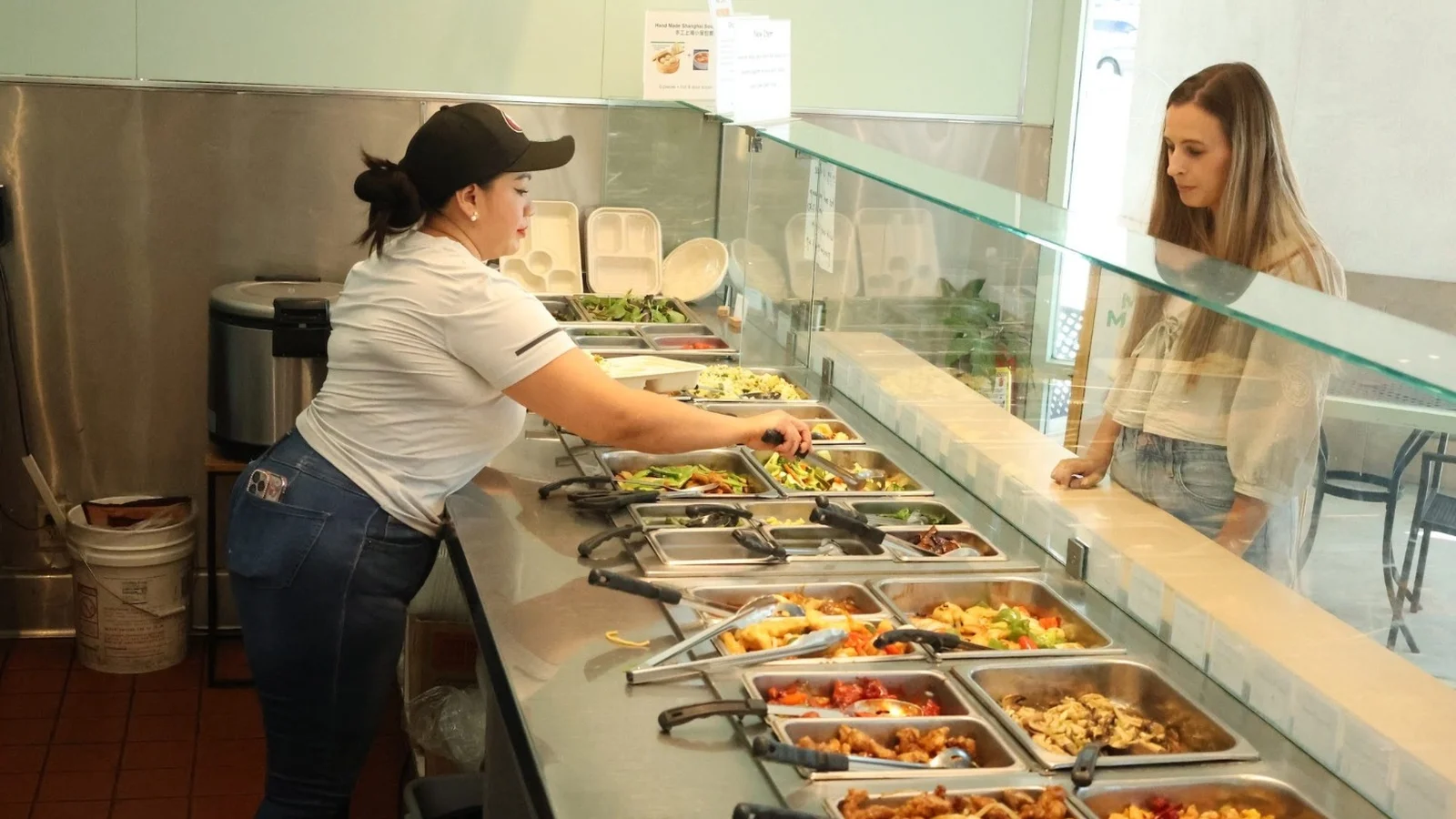
At Eaping, a high-volume fast-casual Chinese restaurant in California, owner Jian (Allen) Shi and his team were dealing with a challenge I see in a lot of kitchens. During lunch and dinner, they needed full pans and fast replenishment to keep up with demand, but between rushes, those same production habits didn't hold up as well.
A batch of braised tofu that was just right at noon could be way too much by 2:30 p.m. Food sat longer as things slowed down. Fried items lost their crunch. Rice dried out. What didn't move fast enough just went to waste. It's a scene that plays out at fast-casual counters everywhere, not just Eaping's.
For Shi, freshness and quality aren't just operational goals, they're what he's building Eaping's reputation on in a crowded fast-casual market. Getting that right, consistently, is central to how he wants the brand to stand out.
Eaping's managers were constantly deciding whether to start another batch or wait, whether to replenish a pan or pull it, and how much to cook next. Their POS data showed what customers had bought, but it didn't show what was still sitting on the line, how long it had been there, or how much was left. Managers filled in those gaps by watching the line and relying on experience.
AI to the rescue?
This is where I see a role for AI in fast-casual and quick-service restaurants. Computer vision and sensors can track production, consumption, and holding time during service, showing managers what's happening on the line without asking staff to manually record it.
Food waste starts before the trash can
Knowing how much food got thrown away only tells you half the story. The other half is what happened on the line before it ever reached the trash. Seeing what's being produced and consumed during service gives a kitchen the chance to change what happens next, instead of just measuring what already went wrong.
At Eaping, the team started tracking individual pans as they went onto the line. Staff could see how long a pan had been sitting there and when it needed attention. That's a small shift, but it changes the decision from a guess into something closer to a fact: a manager can tell whether to keep a pan out, replace it, or hold off on the next batch. When production gets too far ahead of demand, food sits longer before it's served, and that's where quality starts to slip first, long before anything gets thrown out.
The same batch doesn't make sense all day
Demand changes throughout the day, so production should change with it. Maybe orange chicken is consistently overproduced after the lunch rush, or half batches in the afternoon are enough to keep the line full without leaving food behind. If guests consistently consume certain menu items less at 2:30 p.m. than at 12:30 p.m., that pattern can be built into how much gets made next, instead of defaulting to the same batch size all day. In practice, that can mean producing closer to actual demand while still keeping the line stocked with fresh food.
The tech can't become another job
This, to me, is the real test for any kitchen technology. If it requires a cook to stop what they're doing, find an item on a screen, weigh something, and enter information every time food moves through the kitchen, it creates more work, not less.
Fast-casual teams don't have extra time during a rush. They're cooking, replenishing, serving, and cleaning, often all at once, and a manager may be watching several stations at the same time. A clipboard by the line or a spreadsheet at the pass might last a week before it's the first habit to disappear once things get busy. Any technology that works in this environment has to collect information with as little extra effort from staff as possible, or it won't survive a real dinner rush.
Start with the food you make every day
You don't have to track every item on the menu to see this pattern. Pick three or four high-volume items and look at how much you're making, how much guests are consuming, what's left, and when those leftovers are happening. Track it for a couple of weeks against your actual sales timestamps, not just your prep sheet, but also how the pan empties with respect to your freshness timers.
You may find that your standard batch is too large outside of peak periods, or that production consistently runs ahead of demand after lunch. A smaller batch at the right time can mean fresher food, lower overproduction, and less waste, without adding another task for the kitchen.
That's what I took away from Allen's kitchen: in fast casual, the most useful data isn't just how much food was wasted. It's when production stopped matching demand. If you can see that while there's still time to change the next batch, you can protect food quality, use your staff's time better, and prevent the waste before it happens, instead of just counting it afterward.
About Fengmin Gong

Related Media
Subscribe
Get the latest news and resources from Fast Casual.
Recent Posts

Recent Podcasts