Operations
Fast casuals are bringing coffee roasting on-site to drive profits, transparency
October 19, 2026 by Jonathan Bass — EVP, Marketing + Communications, Bellwether Coffee
 ChatGPT
 Grok
 Perplexity
 Claude
Over the past decade, some of the most successful brands in foodservice have built their growth around a simple but powerful idea: let customers see what's happening behind the counter.
Fast-casual leaders like Chipotle, CAVA and others transformed the dining experience by bringing food preparation into view. Instead of hiding production in a back kitchen, they made it part of the experience: ingredients assembled in real time, orders customized in front of guests, and meals built to order. That visibility resonated deeply with consumers, who increasingly began to associate transparency with freshness, quality, and trust. What started as a differentiator quickly became an expectation across much of fast casual.
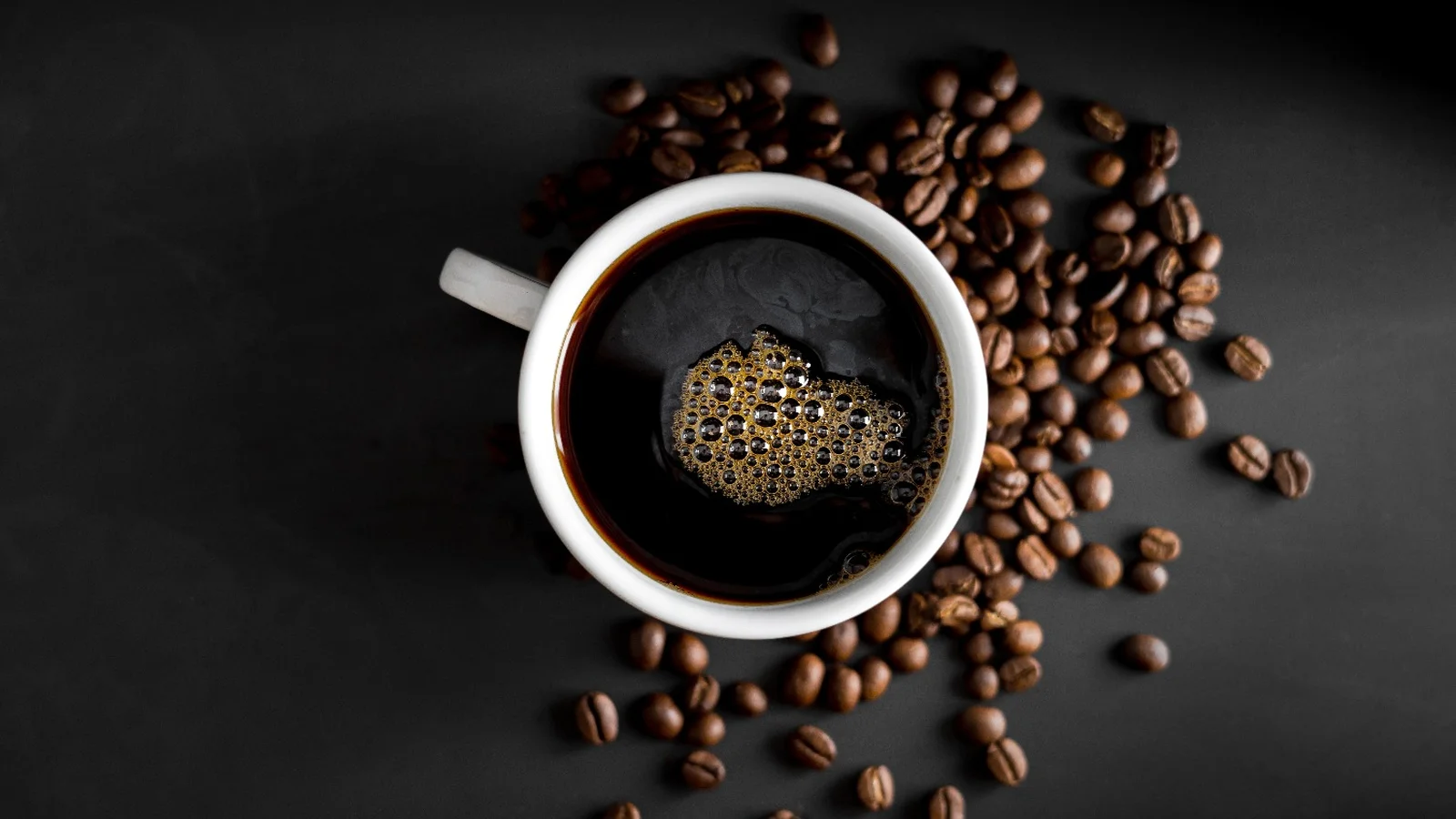
The same expectations that reshaped fast casual are now influencing how people think about coffee. Across the country, independent cafés are increasingly roasting their own coffee on-site, and turning production into part of the customer experience. While this may appear as a niche specialty coffee trend, one piece of a much broader shift in what today's consumers value: not only convenience, but visibility, authenticity, and a clearer connection to how products are made. At the same time, it presents an important opportunity for operators to build stronger margins, greater differentiation, and more control over their product and brand.
From retailers to producers
Traditionally, most cafes have functioned as retailers of coffee rather than producers. Green coffee is sourced, roasted elsewhere, shipped to cafés and then brewed and served. That model still dominates much of the industry, but a growing number of operators are moving in a different direction.
Roasting in-house shifts cafés from being retailers into producers, giving them direct control over sourcing, roasting, and product development. Instead of serving someone else's coffee, they can create a coffee program that's uniquely their own. That might mean developing a signature house blend, showcasing coffees from a region that reflects the owner's heritage, or sourcing beans that align with the café's values and story. In the same way restaurants use food to express their identity, coffee can become another extension of the brand rather than just another item on the menu. And because the roasting happens on-site, customers don't just hear that story, they experience it firsthand.
Why in-cafe roasting is gaining momentum
The growth of in-house roasting is not driven by a single factor but by the convergence of several trends at once.
- First is transparency: roasting turns coffee into something visible, aromatic, and experiential rather than invisible production happening off-site.
- Second is authenticity: roasting lets independent operators build a coffee program that reflects their own sourcing philosophy and story.
- Third is economics, and this is where the shift becomes strategic. Beverages are the margin engine of fast casual, often the strongest performers on the menu. Coffee has long been the exception: buying roasted beans wholesale means paying someone else's margin, so a specialty-quality coffee program typically runs well below the rest of the beverage lineup. Roasting in-house closes that gap. Green coffee costs a fraction of roasted, and capturing that spread brings specialty coffee margins in line with other beverages, while opening revenue beyond the cup through retail bag sales, wholesale accounts, and branded coffee programs, and reducing reliance on expensive outside suppliers.
Taken together, these forces make in-house roasting a boost to both the restaurant's brand and its profitability.
Building a business around production
For many operators, the appeal of roasting goes beyond coffee itself. At Teremok Coffee and Desserts in Missouri, owner Michael Safarov introduced on-site roasting after noticing strong traffic at a nearby Starbucks. By bringing roasting in-house and launching his own coffee label, he was able to stand out in a crowded market while also reducing dependence on third-party supply chains. The result is not just a more distinctive customer experience, but a more defensible business model built around ownership of the product itself.
For some operators, production control doesn't just defend the business; it opens entirely new ones. Function Coffee Co. in the Dallas-Fort Worth area is one example. Founder Tony Daussat initially launched the business with a modest goal of selling 100 bags of coffee in his first year, but instead sold more than 2,000 and has now opened his first brick-and-mortar café. Control over production turned coffee from a commodity beverage into a standalone product category that supports broader brand growth.
Other operators have seen more immediate operational and competitive benefits. At Teremok Coffee and Desserts in Missouri, owner Michael Safarov introduced on-site roasting after noticing strong traffic at a nearby Starbucks. By bringing roasting in-house and launching his own coffee label, he was able to differentiate his offering in a crowded market while also reducing dependence on third-party supply chains. The result is not just a more distinctive customer experience, but a more defensible business model built around ownership of the product itself.
Consumers increasingly want to support local businesses, but they also want those businesses to offer something they can't find anywhere else. Roasting in-house gives cafés the opportunity to create a coffee program that's deeply connected to their identity, whether that's highlighting the owner's heritage, celebrating a particular coffee-growing region, or developing signature blends that reflect the café's personality. The coffee becomes more than a menu item; it becomes part of the brand's story too.
What fast casual operators can learn
The rise of the cafe-roastery isn't only about coffee. It's about where consumer expectations across foodservice continue to evolve.
Fast casual taught customers to value transparency. The next opportunity is ownership: creating products and experiences that are uniquely tied to a business rather than sourced from elsewhere. Whether that's roasting coffee, baking bread, producing signature sauces or showcasing another aspect of production, bringing more of the process in-house gives operators new ways to differentiate while strengthening both the brand and the P&L.
Not every restaurant should become a roastery, but every operator should be asking the same question: What can we create that only we can offer?
The businesses that answer that question successfully won't just meet today's consumer expectations; they'll help define the next generation of foodservice.
About Jonathan Bass
Related Media
Featured Vendor

Ovation is a guest experience platform for multi-unit restaurants that starts with a 2-question survey to drive revenue, streamline guest recovery, and easily improve operations. Thousands of restaurants, including leading brands like Dave's Hot Chicken, use Ovation to get more feedback, recover guests in real-time, and improve.
Subscribe
Get the latest news and resources from Fast Casual.
Recent Posts
Recent Podcasts