Franchising
Birdcall’s Midwest expansion strategy backed by tech, real estate
Fast-casual chicken chain said that proprietary technology, real estate optoins and a multichannel business model will help with its Midwest expansion.
July 6, 2026 by Amy Sorter — Writer and Editor, Connect Media
 ChatGPT
 Grok
Grok Perplexity
 Claude
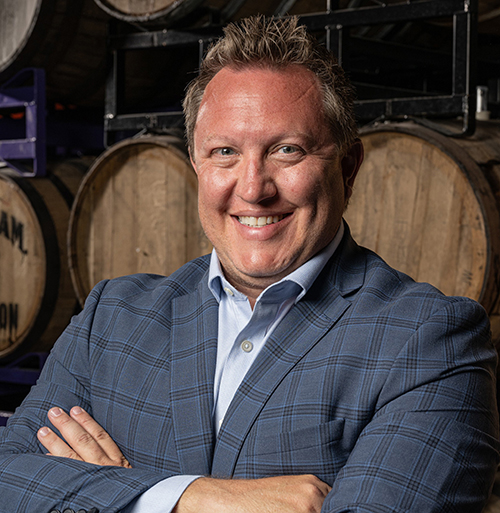 |
| Justin Livingston, courtesy of Birdcall |
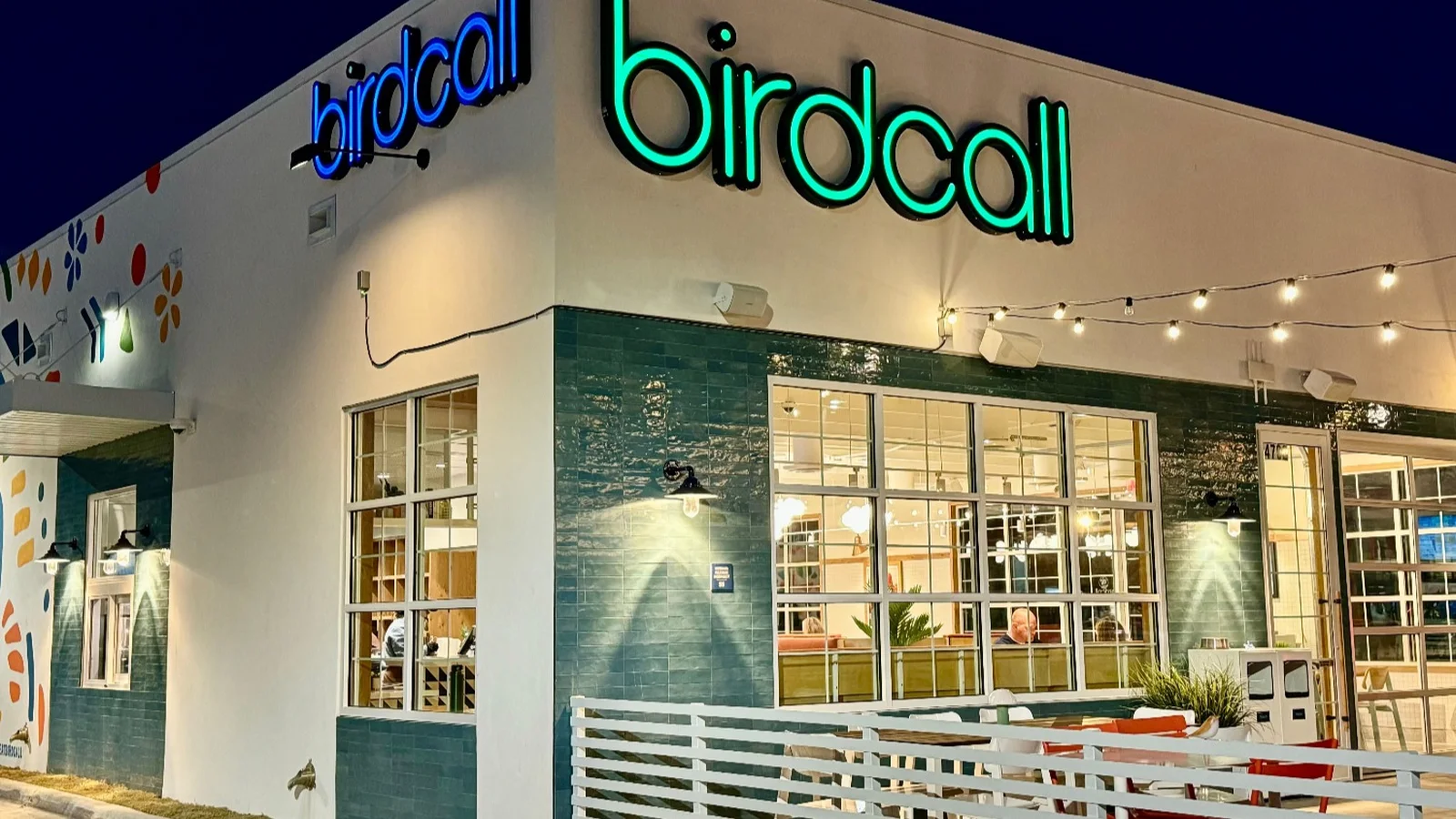
Fast-casual chicken chain Birdcall is betting that proprietary technology, flexible real estate options and a multichannel business model will help fuel its recently announced expansion across six Midwestern states.
The Denver-based brand plans to compete with established chicken concepts, including Chicken Salad Chick, Dave's Hot Chicken, Raising Cane's, Wingstop and Slim Chickens, but Justin Livingston, Birdcall's vice president of franchise development, said the company believes its operational advantages set it apart.
Behind the scenes
While Birdcall isn't the only chain serving 100% all-natural chicken or supporting community initiatives, Livingston told FastCasual that the company's biggest differentiators aren't always visible to guests.
At the center of the strategy is Poncho, Birdcall's proprietary ordering and operations platform. Rather than relying on off-the-shelf software, the company built the system in-house to streamline operations, enhance and speed service and provide operators with more actionable data. The platform also shifts order entry and payment processing to kiosks and the mobile app, allowing employees to spend more time preparing food and serving guests.
"This frees our team to focus on making great food and taking care of guests, rather than standing at a register," Livingston said. "That makes for a better shift, a clearer role and a job that's easier to train for and step into."
Diversification in development
Birdcall also gives franchisees multiple real estate options, including inline, endcap and freestanding restaurants, as well as non-traditional, drive-thru and non-drive-thru formats. Operators interested in pad sites can choose between build-to-suit leases and ground-up construction with land purchases.
"This range helps a franchisee match Birdcall to the site and the deal economics they have," Livingston said, adding that the company's 2,300-square-foot freestanding prototype will anchor much of its Midwest expansion strategy.
The company also relies on a diversified revenue mix. Birdcall's average unit volume is about $2.9 million, with top-performing restaurants generating as much as $3.2 million annually. Revenue comes from multiple sources including dine-in, drive-thru, delivery, catering and, where permitted, alcohol sales. No single channel determines a restaurant's success.
Why the Midwest?
Birdcall currently operates restaurants in Arizona, Colorado and Texas, but Livingston said the Midwest offers several advantages for expansion. Among them are favorable real estate economics, where development and occupancy costs tend to be lower than in many coastal markets, improving restaurant-level returns.
The company is targeting metropolitan areas including Cincinnati, Cleveland, Columbus, Indianapolis, Milwaukee, Omaha and St. Louis.
"These metros have the daytime population, household density and the daypart traffic our model is built for," Livingston said.
Birdcall also sees an opportunity to attract experienced multi-unit franchise operators, while serving a broad customer base of families and quality-focused consumers.
"Put simply, the Midwest gives us open markets, favorable economics, the right guests and the right operators all at the same time," Livingston said.
"That combination is rare, and it's why the region is a natural next step rather than a stretch."
Next steps
The Midwest expansion is only one piece of Birdcall's broader franchise strategy.
"The Midwest is the next concentrated push because the fundamentals lined up there, but we're actively talking with qualified operators in other regions as well," Livingston said.
As Birdcall evaluates new markets, it looks for growing metro areas and suburbs with strong daytime populations, favorable household density and a mix of retail, residential and employment that can drive traffic throughout the day. At the site level, visibility, accessibility and trade-area fundamentals remain key considerations. While the company has franchise agreements in place in Boise, Idaho, and Mississippi, with a Starkville, Mississippi, restaurant expected to open later this summer. Nearly 20 additional restaurants are in various stages of development.
But Livingston said Birdcall isn't pursuing growth simply for the sake of adding locations. Instead, the company plans to expand methodically, finding experienced franchise operators in markets where its proprietary technology platform, flexible real estate options and multichannel revenue model can help support long-term success.
About Amy Sorter

Amy W. Sorter is an award-winning journalist, copywriter and content producer. Sorter has generated quality articles, blogs and thought leadership pieces for multiple industries during her many decades as a writer. Her byline has appeared in local and national publications including the American Business Journal, Connect CRE, Bankrate, CURE Magazine and the Dallas Morning News.
Related Media
Food & BeveragePresented ByOracle
Real EstatePresented ByConnectCRE
Featured Vendor

Our API-first platform empowers brands to own their digital ecosystem and scale profitably from end-to-end. By providing a flexible foundation for first-party digital experiences and seamless operational flow, we ensure every order, from web, mobile, or third-party, is fulfilled reliably.
Subscribe
Get the latest news and resources from Fast Casual.
Recent Posts



Recent Podcasts