Technology
Interface report: Restaurant security risks center on people, not property
July 16, 2026
 ChatGPT
 Grok
Grok Perplexity
 Claude
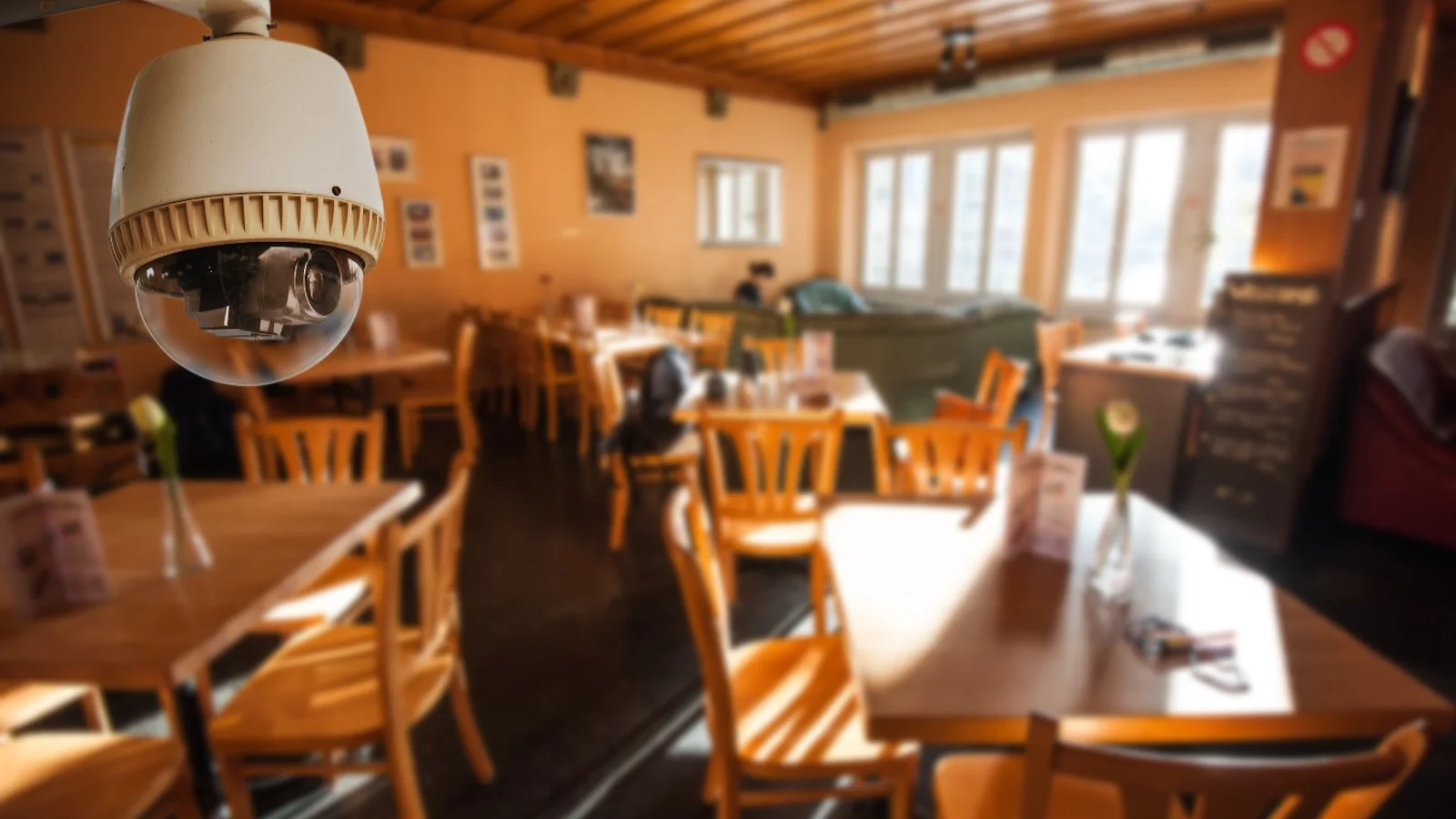
Restaurant security concerns increasingly focus on protecting employees and customers from disruptive behavior rather than preventing theft, according to Interface Systems' 2026 Restaurant Security Benchmark Report.
The report analyzed more than 1.1 million monitoring events recorded between June 2025 and May 2026 at 9,392 U.S. restaurant locations representing 78 quick-service, fast-casual and casual-dining brands.
Of those events, 13,486 were classified as high priority, averaging 37 serious incidents each day across the monitored network. The incidents included criminal activity, disturbances and emergencies.
Loitering and panhandling accounted for nearly half of all high-priority incidents, while disturbances represented another 21.5%. More than 70% of serious events involved people rather than property crimes. Theft, a major concern for many retailers, represented a smaller share of restaurant security incidents.
Risk was concentrated among a small number of locations, with 3% of sites generating 81% of all high-priority events. The 100 highest-risk locations accounted for 59% of incidents. The report recommended that operators allocate security resources based on location risk rather than applying the same level of protection across an entire portfolio.
Serious incidents occurred throughout the day, with activity peaking around 6 p.m. during the dinner rush. About 30% of incidents occurred overnight between 10 p.m. and 6 a.m., when restaurants typically operate with smaller crews or are closed.
The report also found that employees requested monitoring assistance more than 82,000 times during the study period, averaging approximately 335 requests per day. Requests included live monitoring, employee escorts and voice-down interactions, which allow security personnel to communicate remotely with individuals at a location to help de-escalate situations or provide instructions.
Interactive remote tools resolved 98.4% of monitored incidents without requiring police, fire or medical dispatch, according to the report. Video verification also prevented emergency dispatch in more than 97% of false alarm cases, reducing demands on first responders and helping operators avoid potential fines.
Related Media
Food & BeveragePresented ByOracle
Featured Vendor

Our API-first platform empowers brands to own their digital ecosystem and scale profitably from end-to-end. By providing a flexible foundation for first-party digital experiences and seamless operational flow, we ensure every order, from web, mobile, or third-party, is fulfilled reliably.
Subscribe
Get the latest news and resources from Fast Casual.
Recent Posts


Recent Podcasts