Technology
The Rewards Wars: Starbucks bets on AI while Panera returns to traditional math
Panera is moving toward a more traditional, transparent math — replacing "surprises" with a predictable points-per-dollar system. It is about removing the mystery so the customer feels in control of their wallet.
January 30, 2026 by Cherryh Cansler — Editor, FastCasual.com
 ChatGPT
 Grok
Grok Perplexity
 Claude
One week after Panera announced it was replacing its rewards platform with a more traditional points-based system, Starbucks Corp. said it was rolling out its "next-generation" loyalty program as part of a broader "Back to Starbucks" strategic plan.
During the company's 2026 Analyst and Investor Day on Thursday, Chairman and CEO Brian Niccol and his executive team outlined a roadmap to stabilize the coffee giant and return to sustainable growth. A central pillar of this evolution is a complete overhaul of Starbucks Rewards, designed to make the program more accessible, flexible, and integrated into the daily lives of its 85 million active global members.
"We are moving at the pace of culture," Tressie Lieberman, executive vice president and global chief brand officer, told investors. Lieberman highlighted that the upcoming loyalty changes would meet customers where they are, moving beyond simple transactions to create a digital experience that feels as personal as a hand-delivered latte.
Lowering barriers to entry
While specific "Star" redemption tiers were not fully detailed in the transcript, the leadership team emphasized a shift toward "flexibility" and "value." The goal is to remove the friction that has historically prevented occasional customers from joining the program.
The next-generation rewards system will reportedly leverage AI-driven personalization to offer more relevant incentives. By utilizing "Green Dot Assist" and "SmartQ" technology — tools already improving store throughput — Starbucks plans to sync its digital rewards with real-time café operations. This ensures rewards members are not just earning points, but receiving a more seamless "hand-off" experience when they redeem them.
Same but different
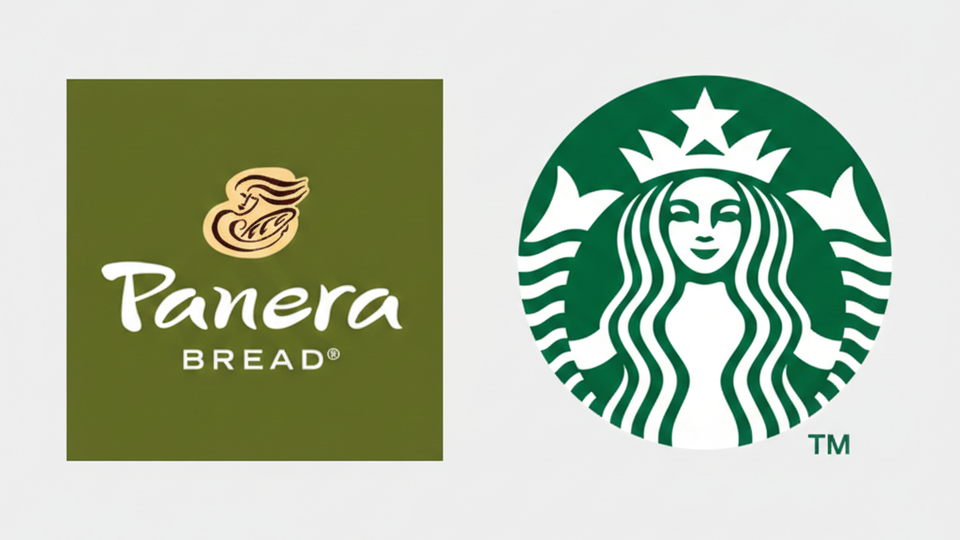
Although Starbucks and Panera are undergoing significant overhauls to their digital relationships with customers to offer better response times, increase points value and drive growth, the main difference lies in their approach to the "reward" itself. Panera is moving toward a more traditional, transparent math — replacing "surprises" with a predictable points-per-dollar system. It is about removing the mystery so the customer feels in control of their wallet.
Starbucks, however, is moving toward a more technologically advanced, experiential model. Instead of just focusing on the points, it's using AI and new brewing technology to ensure that redeeming a reward feels "personal" and "seamless" without sacrificing the "craft" of the coffee or the speed of the service.
| Feature | Panera Bread (Pilot Program) | Starbucks ("Next-Gen" Rewards) |
| Earning Model | Fixed Points System: Transitioning from "surprise and delight" to a transparent 10 points per $1 spent. | AI-Driven Personalization: Moving toward "flexibility" and "value" driven by AI to offer relevant, real-time incentives. |
| Philosophy | Transparency and Control: Focuses on a clear "spend-to-earn" math so guests know exactly when they get a free item. | Cultural and Operational Integration: Focuses on "moving at the pace of culture" and reclaiming the "Third Place" coffee house feel. |
| Technology | Focuses on a simplified point-redemption tier for bagels, sides, and sandwiches. | High-tech integration using AI tools like "Green Dot Assist" and "SmartQ" to sync rewards with café throughput. |
| Operational Support | Not explicitly mentioned in the text. | Heavy investment in new equipment (Clover Vertical) to ensure reward redemptions don't overwhelm baristas. |
| Scale of Rollout | Regional Pilot: Starting in Dallas, then expanding to Chicago, Denver, Seattle, and Wyoming. | Global Strategy: Part of a massive 3-year strategic plan for 85 million active global members. |
About Cherryh Cansler

Related Media
Subscribe
Get the latest news and resources from Fast Casual.