Food & Beverage
The 'proteinization' of the fast casual industry: Starbucks, Nekter, Coffee Bean & Tea bulk up winter menus
While the "New Year, New Me" resolution season often focuses on restriction, smart brands are leaning into satiety and muscle recovery to drive traffic.

January 6, 2026 by Cherryh Cansler — Editor, FastCasual.com
 ChatGPT
 Grok
Grok Perplexity
 Claude
The new year is ushering in a heavy-hitting nutritional trend as the industry's major players pivot toward high-protein functional offerings. Winter menus from Starbucks, Nekter Juice Bar and The Coffee Bean & Tea Leaf signal that the primary strategy for capturing health-conscious consumers in 2026 is the "proteinization" of the industry.
While the "New Year, New Me" resolution season often focuses on restriction, smart brands are leaning into satiety and muscle recovery to drive traffic. It's a smart move, according to the 2025 IFIC Food & Health Survey, which found 71% of Americans are actively trying to consume more protein — a significant and steady climb from 67% in 2023 and 59% in 2022.
Also, a "high-protein diet" has officially ranked as the most followed eating pattern in the United States for three consecutive years, with one in three Americans reporting they specifically increased their protein intake over the last 12 months.
The Coffee Bean & Tea Leaf powers up
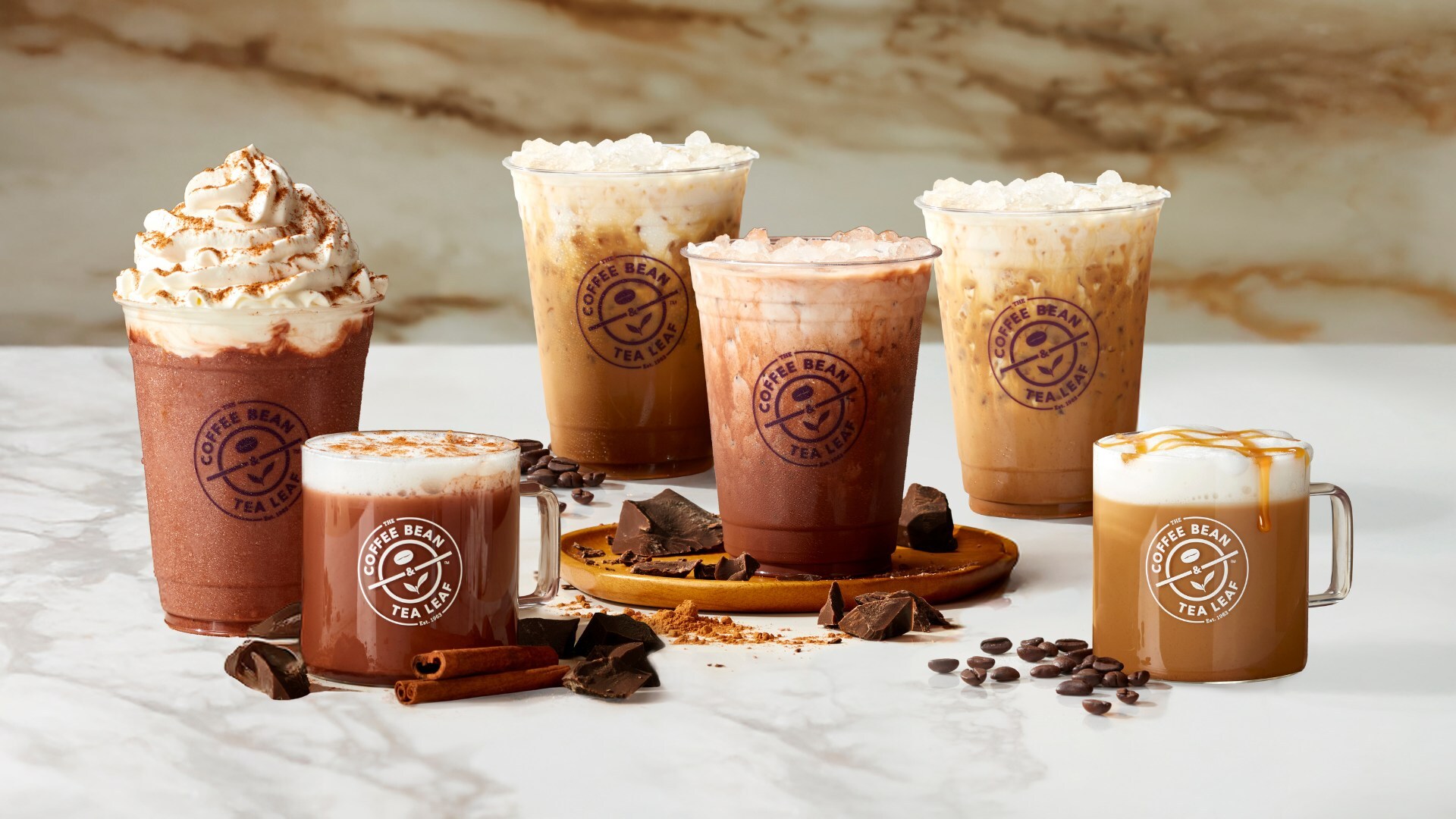 |
| Available in Vanilla, Caramel and Hazelnut, each regular-sized Protein Latte at Coffee The Coffee Bean & Tea Leaf delivers a minimum of 20 grams of protein. Photo: The Coffee Bean & Tea Leaf |
Joining the movement on Wednesday, The Coffee Bean & Tea Leaf is launching its first-ever Protein Latte collection. Unlike traditional seasonal syrups that focus solely on flavor, these beverages are crafted as "functional fuel" for the morning routine or post-workout recovery, according to a press release.
Available in vanilla, caramel and hazelnut, each regular-sized Protein Latte delivers a minimum of 20 grams of protein. The brand is also offering "lightened" versions with lower-sugar options, catering to the one in three Americans who reported specifically increasing their protein intake over the last 12 months.
To balance the functional boost, the chain is also leaning into winter nostalgia with a new Mexican Chocolate line, blending dark chocolate with cinnamon.
Starbucks introduces "protein-boosted" milk
Starbucks is expanding its permanent menu starting Jan. 6 with a line of beverages featuring protein-boosted milk. The Seattle-based giant is targeting the intersection of indulgence and wellness with its new Caramel Protein Matcha and Caramel Protein Latte.
The Caramel Protein Matcha delivers up to 31 grams of protein in a grande size, while the latte version offers up to 29 grams. Both can be customized with a sugar-free caramel syrup, appealing to the growing demographic of diners seeking low-sugar, high-protein options.
The coffee leader is also extending its protein push into the snack aisle, introducing individual bags of Khloud Protein Popcorn (7 grams of protein) and two varieties of Ellenos Greek Yogurt, including a "No Added Sugar" Muesli option.
Beyond the protein push, Starbucks is leaning into 2025's social media trends by officially launching Dubai Chocolate drinks — inspired by the viral pistachio-and-chocolate bars — and making its popular pistachio flavor a permanent year-round fixture.
Nekter Partners with Koia for functional Protein Cleanse
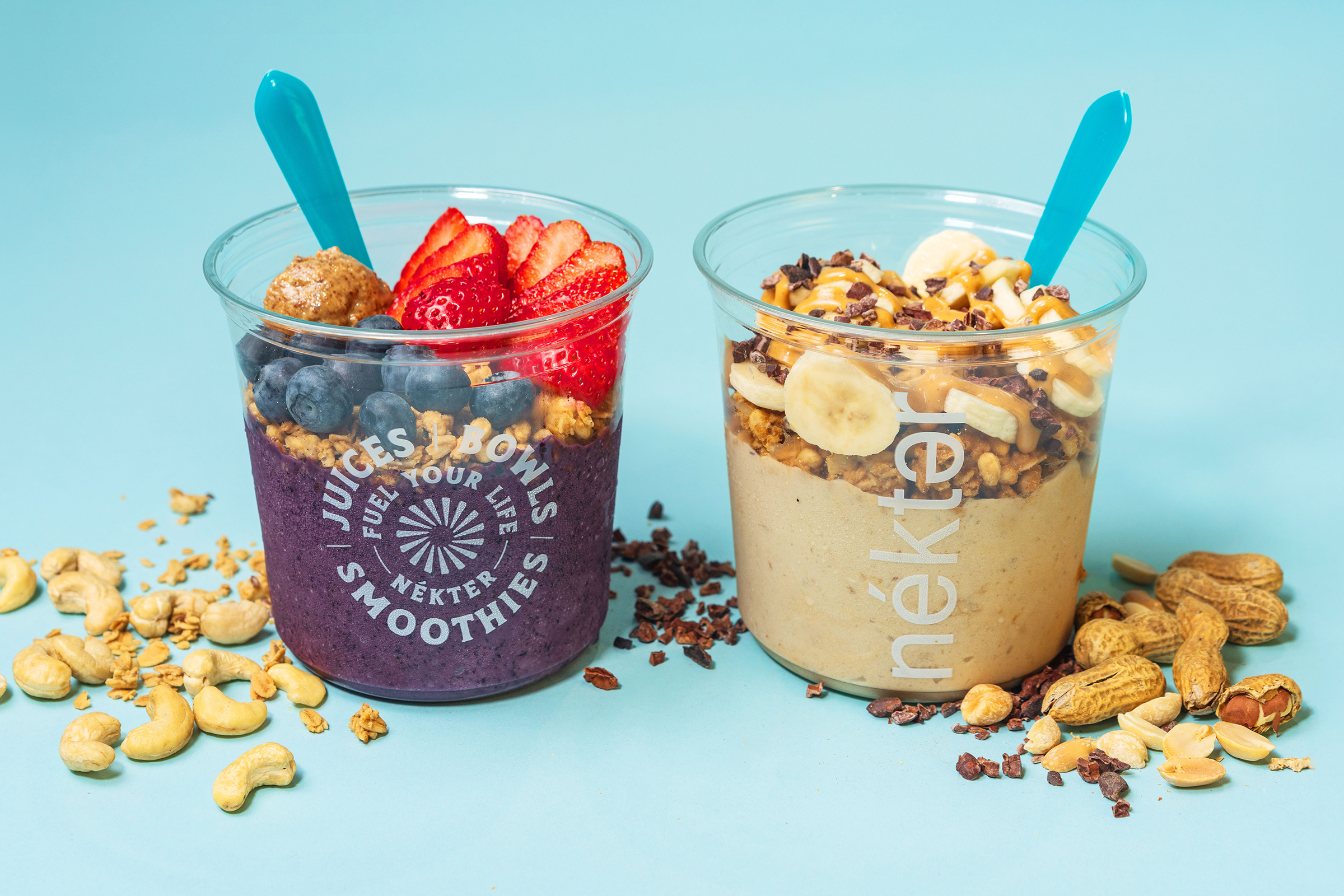 |
| Nekter is bolstering its permanent menu with two Nut Butter Protein Bowls, Blueberry Almond and Peanut Butter Power bowl, offering 32 and 30 grams of protein respectively. Photo: Nekter |
In Costa Mesa, California, Nekter Juice Bar is reimagining the traditional juice cleanse by prioritizing metabolic balance over calorie deficit. In partnership with plant-based company Koia, Nekter has launched a "Protein Cleanse" featuring Koia Elite Protein.
The one-day program includes two vanilla protein shakes that provide a combined 64 grams of protein, integrated with Nekter's signature cold-pressed juices.
"Nekter has always focused on functional, real-ingredient wellness, and our guests are seeking out resets that help them feel satisfied and supported," Alexis Parra, co-founder and chief visionary officer of Nekter Juice Bar, said in a press release. "Protein plays a key role in that balance."
Nekter is also bolstering its permanent menu with two new Nut Butter Protein Bowls. The Blueberry Almond and Peanut Butter Power bowls offer 32 and 30 grams of protein respectively, and are designed to serve as functional meal replacements for the morning and lunch rushes.
A shift in fast casual strategy
The simultaneous launches highlight a broader shift in the fast casual landscape toward "functional nutrition." As the U.S. fast casual industry eyes a projected $148.4 billion valuation by 2029, brands are increasingly moving away from "diet" messaging in favor of "performance" and "satiety."
By integrating high protein counts into fan-favorite formats like lattes and açaí bowls, these brands are betting that 2026 consumers want their treats to work harder for their health. Whether it's a "Wellness Wednesday" deal at The Coffee Bean or a "Protein Cleanse" at Nekter, the message for 2026 is clear: Fuel, don't just fill.
And they aren't alone; Chipotle, Shake Shack and Sweetgreen are also on the high-protein train, each recently introducing protein-focused options. Smaller concepts are also paying attention. Jeff's Bagel Run, a 25-unit chain based in Orlando, launched a limited-time high-protein menu Jan. 1. Options included lattes containing up to 45 grams of protein and a turkey protein lunch box with 26 grams of protein.
"This limited-time offering lets guests build a protein-packed breakfast or lunch without changing their routine," Jeff Perera, co-founder and vice president, said in a company press release. "It's still Jeff's, just with more fuel."
FAQ: Protein-based menu trend
Why are fast casual brands like Starbucks and Nekter adding more protein to their menus in 2026?Consumer demand for functional nutrition has shifted from calorie counting to satiety and muscle maintenance. According to the IFIC 2025 Food & Health Survey, 71% of Americans are actively trying to consume more protein, leading brands to launch "protein-boosted" beverages and meal replacements to capture this health-conscious demographic.
How much protein is in the new Starbucks Protein Matcha and Latte? The 2026 Starbucks winter menu features a Caramel Protein Matcha with up to 31 grams of protein and a Caramel Protein Latte with up to 29 grams of protein in a grande size. These drinks utilize a new "protein-boosted" milk designed to offer a functional upgrade to traditional coffee orders.
What is a protein vleanse, and how does it differ from a juice cleanse? Unlike traditional juice cleanses that focus on calorie restriction, the Nekter Juice Bar "Protein Cleanse" (launched in partnership with Koia) prioritizes metabolic balance. By including 64 grams of plant-based protein alongside cold-pressed juices, the program aims to provide a "reset" that supports muscle recovery and prevents the blood sugar spikes often associated with juice-only regimens.
What is the "proteinization" of the fast casual industry? "Proteinization" refers to the industry-wide trend of fortifying standard menu items — such as snacks, drinks, and bowls — with supplemental protein. This strategy allows brands to market their products as "functional" or "performance-based" rather than just "diet" food, appealing to both fitness enthusiasts and the growing number of consumers on GLP-1 weight-loss medications who require high protein intake to maintain lean muscle.
Are there low-sugar high-protein options at Starbucks? Yes. As part of its 2026 expansion, Starbucks introduced sugar-free caramel syrup to pair with its protein-boosted milk. Additionally, the brand added Ellenos Greek Yogurt with "No Added Sugar" and Khloud Protein Popcorn to its grab-and-go selection to meet the demand for low-glycemic, high-protein snacks.
What is the total protein count in Nekter's new Protein Bowls? Nekter's new Nut Butter Protein Bowls are designed as functional meal replacements. The Blueberry Almond bowl contains 32 grams of protein, while the Peanut Butter Power bowl offers 30 grams.
About Cherryh Cansler

Related Media
Food & BeveragePresented ByOracle
Featured Vendor

Powerhouse Dynamics is the leading provider of "internet of things" (IoT)-based solutions to connect, analyze and control equipment to deliver enterprise-wide operational efficiencies.
Subscribe
Get the latest news and resources from Fast Casual.