Marketing
5 ways to use game mechanics to turn loyalty sign-ups into repeat orders
Smoothie King, Chipotle, Papa Johns and other brands are using game mechanics to encourage a first order, influence average check and repeat visits, make product launches more interactive and turn campaigns into reasons to come back.
November 24, 2026 by Max Denevich — Co-Founder & Chief Revenue Officer, LoyaltyPlant
 ChatGPT
 Grok
 Perplexity
 Claude
In June, Smoothie King reported that its spin-to-win and scratch-to-match loyalty games generated more than 2 million plays and lifted loyalty sign-ups by more than 40%. Games clearly work for enrollment. The harder question is what they can do after the customer joins.
Brands can use game mechanics to encourage a first order, influence average check and repeat visits, make product launches more interactive and turn campaigns into reasons to come back. Used across the guest journey, they give customers more reasons to keep ordering from the restaurant, and to do it through its own app.
Here are five mechanics a brand can test in one quarter, then develop and implement based on the behavior each produces.
1. Turn the first order into the first win
Many loyalty programs stall right after sign-up. A new member signs up, opens the app and sees a zero balance, no visible progress and a worthwhile reward several purchases away. The guest has an account, but no reason to place a first order.
A tier system can address this by making progress visible from the start. Give members a starting status, place the first upgrade within a normal order and let that transaction unlock a useful reward. Researchers call this the endowed progress effect: people who feel they have already made progress toward a goal are more likely to complete it.
Papa Johns MENA designed onboarding around that idea. New users entered with status already awarded, and the threshold for the next tier was set below a typical first-order value. The first purchase could therefore upgrade the member, unlock an initial reward and reveal the next goal.
After the tiered loyalty program launched, third-month retention among new app customers increased 57%, and the number of customers in medium-, high- and top-spending cohorts grew. Tiers alone don't do much. What worked here was making the first order count as progress and keeping the next milestone in sight.
2. Let the app join the campaign
Once guests are in the program, campaigns are the next chance to bring them back. Yet brand collaborations often reach the app as a single banner. The menu, packaging and social feeds change, while the app looks the same as it did last week.
KFC in one European market did more with its Minions collaboration. The campaign changed the app's interface as well as its menu. A themed home screen led into a memory game that unlocked a limited-time reward. Guests shared the game on their own, and a limited-edition banana sauce reward sold out within days.
Chick-fi l-A did something similar with Code Moo in 2025. New missions arrived in the app each week, each completed mission unlocked a free menu item, and an animated short, a podcast and a merchandise collection extended the story. Guests always had something to do that week and a reason to come back the next.
The app can be where the campaign actually happens, not just where it is advertised.
3. Use the prize to shape the order
Games can also change what ends up in the basket. Papa Johns MENA's Win a Million campaign is a good example.
The in-app giveaway had two goals: acquire new app users and increase average check. The prize was available only through the app, so anyone who wanted to enter had to use the app. To target order value, the brand set the Golden Ticket threshold about 30% above its typical app order of roughly $20.
Each qualifying purchase started an in-app sequence. An animated Golden Ticket dropped into the customer's wallet and remained visible until its scheduled reveal day, when the customer returned to open it and see a guaranteed food or points reward. Every ticket also stayed in the running for the AED 1 million grand prize (more than $250,000), while collecting four tickets in a month unlocked an additional iPhone drawing. Because the reveal came days after the purchase, each ticket brought the customer back into the app a second time.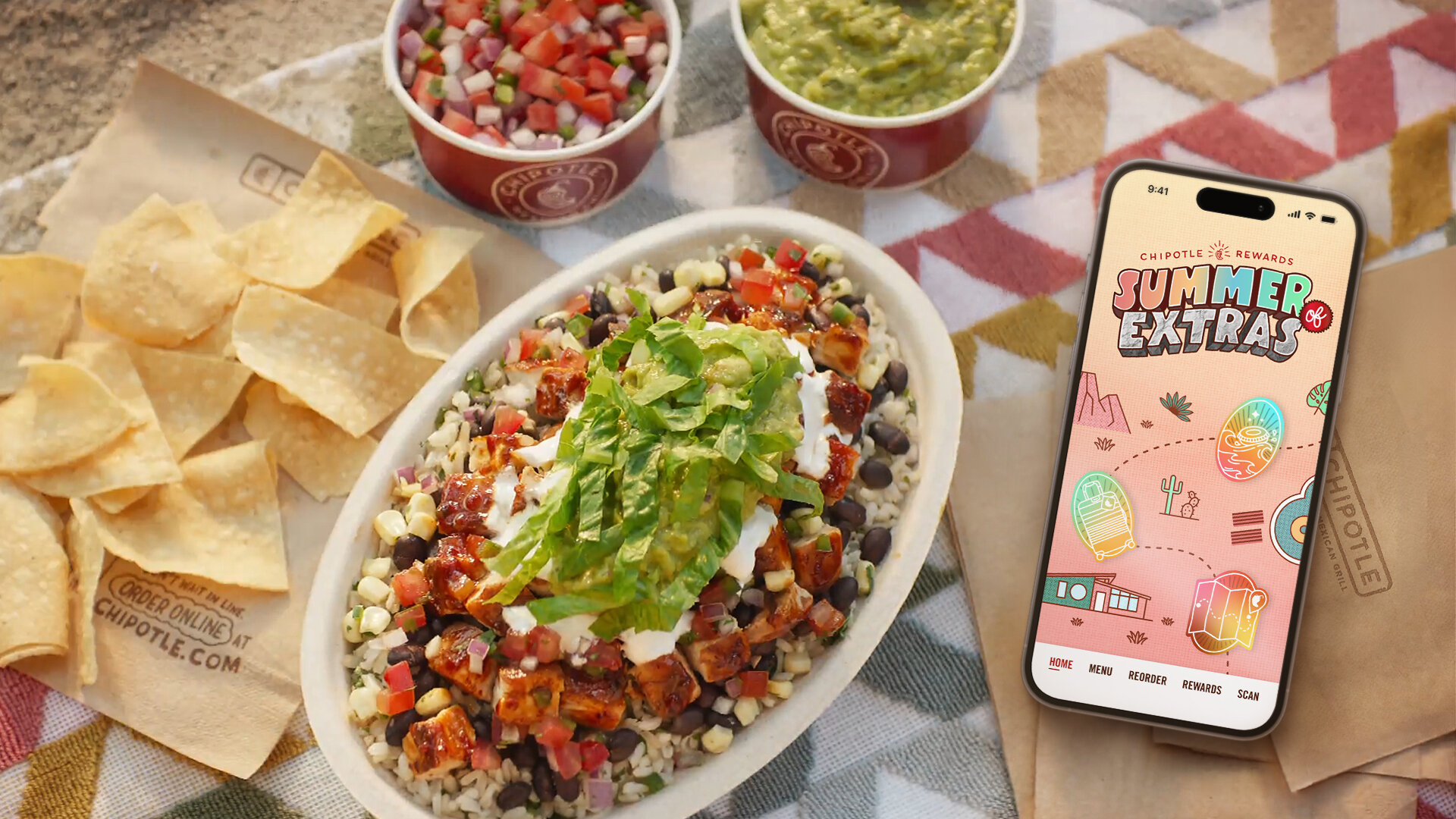
An early analysis estimated app average order value among existing users at more than 15% above the expected baseline. App installs that converted into at least one order rose by more than 150% compared with the same period a year earlier, and short-term retention among new app customers rose 37% after launch
The same principle can target frequency instead of spend. Chipotle's Summer of Extras rewards members for repeat visits; the company says the 2025 program drove 6.4 million activations and an estimated $12 million-plus in incremental sales, and the 2026 edition added a monthly seven-visit streak and local leaderboards.
Pick the one behavior you want to change, keep the qualifying rule simple and make the reward steps easy to follow.
4. Give every game a job
Too many games start with "we should launch a game." A better starting point is the business problem the game should solve.
Bringing guests back on a schedule is one job. Sundae Ice Cream runs a monthly in-app "Sundae Forecast": a loyalty calendar styled as a weather forecast, with new seasonal visuals each month. Selected days unlock bonus points, a free topping or a free scoop, and members get a reminder before and on each reward day. On National Ice Cream Day, app visits were 10 times higher than on a typical day, according to the brand.
Product education is another. To introduce its Crispy Parm Crust, Papa Johns MENA gave guests a short interactive tutorial about four crust styles, followed by a memory-matching challenge. Winners received a free small pizza with the new crust. The game required players to tell the menu options apart, and the share of orders containing paid crusts increased 7% after the launch.3 For Shawarma Pizza, the brand used a slicing game: players sliced only ingredients used in the pizza, and hitting the wrong ones cost points. Reaching the target score earned a free small pizza, and more than 20% of winners went on to attempt an advanced Pro Mode.
Taco Bell's L.O.C.O.S. game, which ran in its app from June 23 to July 13, 2026, was built around two fan moods: celebrating a win or recovering from a loss. The first play unlocked a taco with purchase, new challenges arrived weekly, and stars earned in play ranked members on a leaderboard.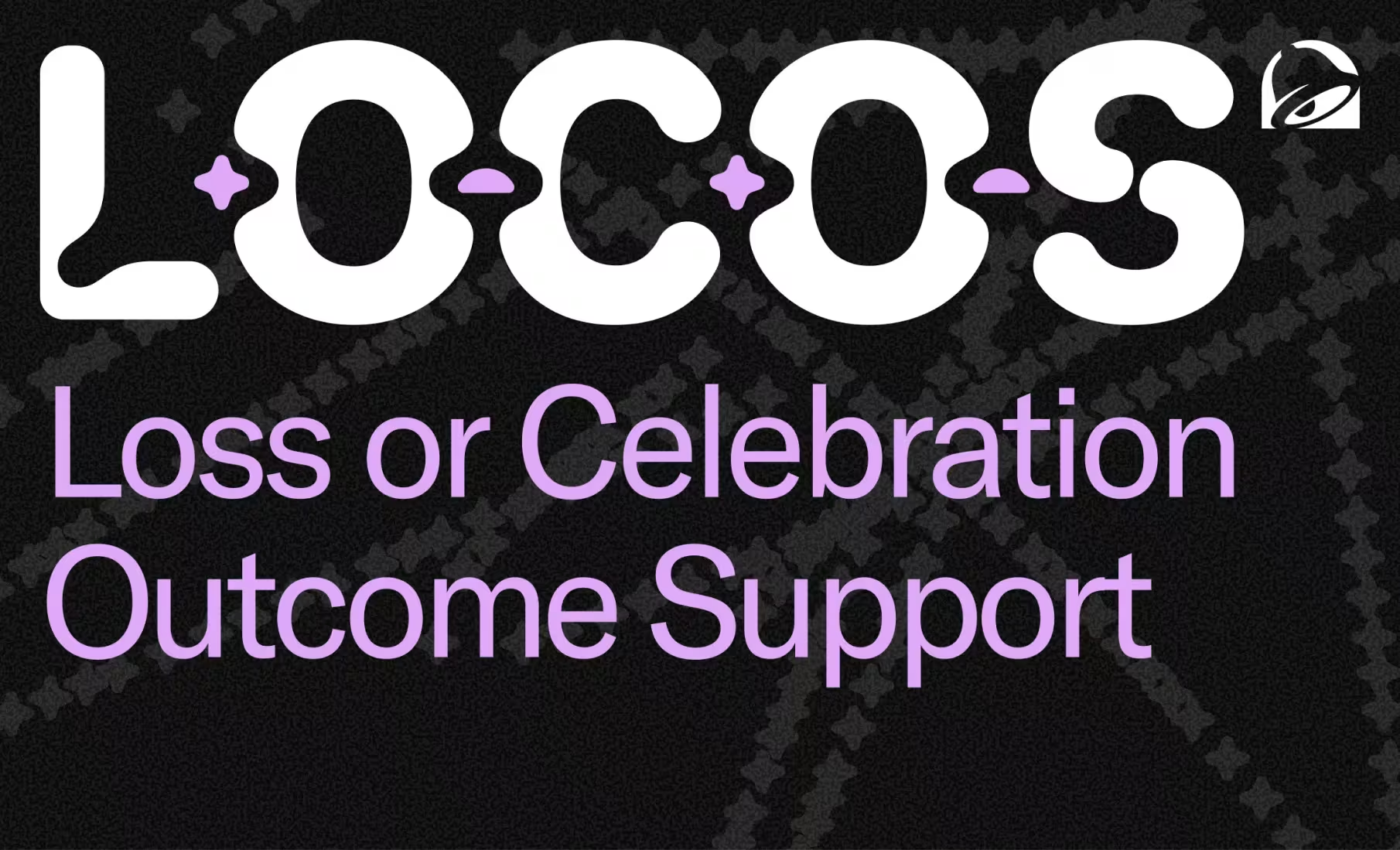
Whatever the job, track the whole path: game start, completion, reward claim and the purchase you were aiming for.
5. Your best digital acquisition channel may be wearing a name tag
Restaurant staff talk to guests who have already chosen the brand and are about to pay. That makes them a strong acquisition channel, but "tell everyone about the app" doesn't work on its own. Employees need a simple action, confi rmation that it worked and a fair reason to participate.
The Golden Ticket campaign described above also turned employees into an acquisition channel. Staff shared personal referral QR codes and earned a cash bonus only after a guest installed the app and placed a qualifying order. Each employee then received a confirmation and could follow progress in a game-style dashboard: a live invitation count, a personal ranking, medal icons for the leaders and extra rewards for the monthly top 10. Employee referrals accounted for approximately half of campaign-period validated installs, meaning installs followed by at least one order.
Two things made it work. Staff were paid for a completed fi rst order, not for a scan or a download, and they could see their progress right away. A visible ranking and recognition kept them going until the guest actually bought something.
Start with the gap in the journey
No restaurant needs all fi ve ideas at once. Identify where the relationship loses momentum: sign-up to first order, campaign attention to continued engagement, first to repeat purchase, awareness to trial, or in-store visit to known digital customer.
Choose one mechanic that addresses that gap and measure the complete behavior, not just taps and plays. Smoothie King showed how instant-win games can bring people into a loyalty program. The bigger opportunity is in what comes after sign-up: giving guests reasons to keep ordering, and to keep doing it in the brand's own app.
Figures for KFC and Sundae Ice Cream come from the brands' campaign reporting
About Max Denevich

Max Denevich is Co-Founder and Chief Revenue Officer of LoyaltyPlant, an e-commerce and customer engagement platform for restaurant brands. He has worked with leading QSR and fast-casual brands across 40+ countries, including KFC, Papa Johns, Subway, Wendy's and Dunkin', helping them grow through mobile ordering, loyalty and gamification. Max writes regularly for food tech and restaurant industry publications. He has received several industry awards, including CX Leader of the Year (Highly Commended) at the CX Awards.
Related Media
Subscribe
Get the latest news and resources from Fast Casual.
Recent Posts
Recent Podcasts