Operations
Starbucks turnaround: Niccol’s "Back to Starbucks" plan ignites Q1 growth
January 29, 2026
 ChatGPT
 Grok
Grok Perplexity
 Claude
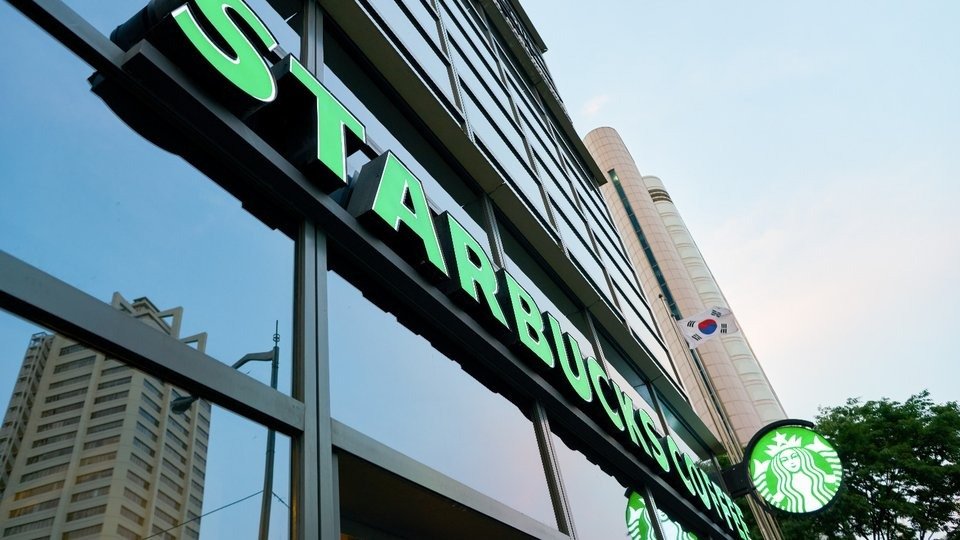
Starbucks has officially shifted from defense to offense. During Wednesday's Q1 2026 earnings call, the company reported a 5% increase in global revenue to $9.9 billion, signaling that CEO Brian Niccol's "Back to Starbucks" turnaround plan is gaining traction.
While the company faced margin pressures due to inflation and strategic investments, the headline was clear: transaction growth is back. For the first time in eight quarters, U.S. transaction counts grew for both Rewards members and non-Rewards customers alike.
Here are three primary drivers fueling the Starbucks comeback:
1. The "Green Apron" service model
The cornerstone of the operational turnaround is the Green Apron service model, which prioritizes throughput and "eyes up" hospitality. Niccol said 650 pilot stores utilizing this model outperformed the rest of the fleet by 200 basis points in comparable sales.
By leveraging a new "SmartQ" algorithm and increasing staffing rosters, Starbucks successfully brought average service times below its four-minute target, even during peak morning rushes.
"A strong operating foundation makes all the other initiatives that much more effective," Niccol said, emphasizing that speed and personalization are reclaiming the "Third Place" experience.
2. A leaner, high-impact menu
Niccol has aggressively streamlined operations by reducing the Starbucks menu by 25% to 30%. This reduction has minimized waste and supply chain complexity, allowing the brand to focus on high-margin, "on-trend" platforms.
The strategy is now revolving around three key innovation pillars:
- Health and wellness: The launch of protein-based beverages has proven highly incremental, attracting new customers and driving repeat visits.
- Afternoon "reset": Leveraging digital menu boards to push "customized energy" and sparkling refreshers during the afternoon slump.
- Artisanal bakery: A renewed focus on high-quality, "visual" pastries to drive food attachment rates.
3. Strategic "brand over discounts" marketing
Starbucks has pivoted away from broad-based discounting and toward brand-affinity marketing. CFO Catherine Smith highlighted a permanent reallocation of spend from coupons to brand storytelling.
This shift is working: Starbucks Rewards active members hit a record 35.5 million, and it is courting the "infrequent" customer by re-entering the cultural conversation through viral merchandise and emotional advertising campaigns, such as the recent "Together" ad.
Looking ahead: The $2 billion efficiency push
While the top line is thriving, the bottom line is the next frontier. Starbucks confirmed a $2 billion cost-reduction program over the next two years, targeting G&A and procurement efficiencies.
"We've got a clear plan in place to basically track down about $2 billion of cost," Niccol said. "You know, we really started that work in 2025. I think it's gonna unfold over the next two years in front of us. ... We're gonna continue to make progress in procurement efforts. We think there's a tremendous opportunity with using technology to drive efficiency in the work that we're doing."
Additionally, a major joint venture in China with Boyu Capital is expected to close in Spring 2026, allowing Starbucks to retain a 40% stake while offloading operational overhead to a local partner, Smith said.
Related Media
Subscribe
Get the latest news and resources from Fast Casual.