Restaurant Franchising & Innovation Summit
Blaze Pizza, Farmer Boys, Mike's Red Tacos, HigherMe experts discuss recruitment, retention
Industry experts at the Restaurant Franchising & Innovation Summit emphasized that sustainable restaurant profitability and successful scaling depend on prioritizing the "human heart" of the business through rapid recruitment, authentic culture building and collaborative leadership partnerships.
April 10, 2026 by Mandy Wolf Detwiler — Editor, Connect Media
 ChatGPT
 Grok
Grok Perplexity
 Claude
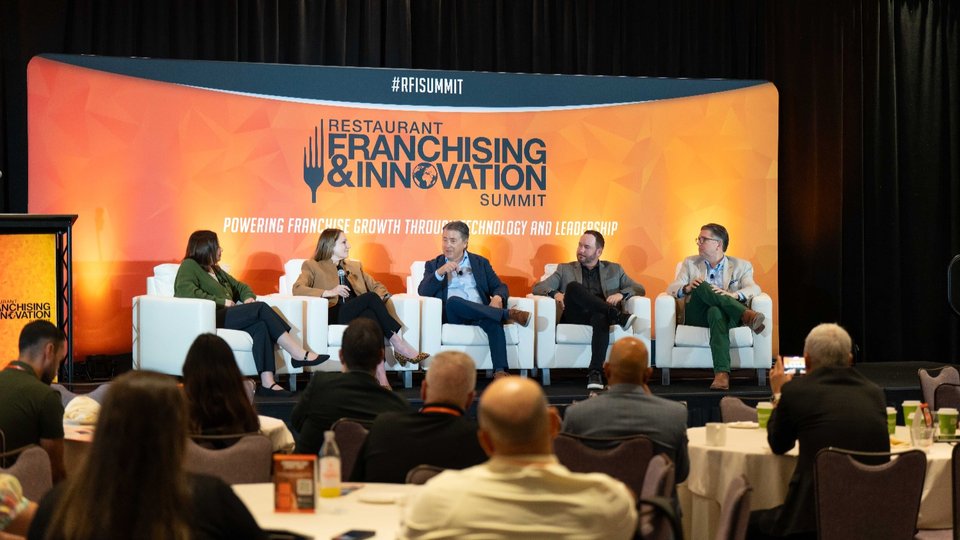
It's the restaurant industry's most stubborn paradox: that in an era obsessed with digital speed and automated efficiency, the most reliable path to a healthy bottom line still runs directly through the unpredictable, essential and deeply human heart of the front-line worker. A session titled "Profit Through People: Building an Unstoppable Team" at the Restaurant Franchising and Innovation Summit last month in San Diego examined the critical link between workforce resilience and profitability, offering franchise leaders actionable strategies to build high-performing teams that drive the bottom line.
Industry experts tackled the persistent challenge of labor shortages head-on, sharing best practices for optimizing compensation packages and fostering an authentic culture that significantly reduces turnover.
Speakers in the session included moderator Brittney Wilganowski, head of revenue for HigherMe, Stacey Gelber, VP of Human Resources for Blaze Pizza, John Lucas, VP of brand and franchise development forFarmer Boys, Lance Salsman, SVP of operations and training for Mike's Red Tacos and Mattew Walls, president and chief stores officer for Edible Brands.
Recruitment and retention
Wilganowski asked the panelists what they do today that helps attract talent and what channels they tap into to hire.
Salsman said at Mike's Red Tacos, they use a lot of systems to help drive candidate flow, but success comes back to retention.
"So, a lot of times it's not necessarily a hiring problem; it's a retention problem," Salsman said. "What I've found best that works for most franchisees or brands is actually making sure that you have speed with the candidate. That means as you get your candidates in, that you're responding to them in a really quick way, and that you're staying in contact with them throughout the process. Some people would say, 'don't ghost your candidate.' That's true. And I think for the younger generation, ghosting can be as long as 24 hours. And if you haven't got your candidates connected within that time, your competitors are probably already hiring the people."
Retaining talent, he added, is about providing great onboarding and training processes that keep employees engaged.
"The funnel at the top a lot of times will be full of candidates, but once you narrow them down and you get them on your team, you've got to keep them on your team," Salsman said. "So, I think that's the biggest piece is really the retention part. There's a lot of great tools out there that'll help you get that funnel full of people, but keeping them, I think, is really the key."
Scaling
Wilganowski asked Lucas what Farmer Boys does when it comes to giving franchisees the flexibility to choose employees. Lucas said Farmer Boys is opening 10 stores this year and the first key to success is finding the right franchisees that can protect the brand and grow it while having the resources — whether it's the right people or financial resources — to be able to go for the long haul.
Lucas said the brand always says they're in it for at least 20 and sometimes 40 years, so it's a long-term relationship. The selection process includes making sure employees align with the brand standards and the culture.
"The other piece that I personally focus a lot on are the multi-unit managers," Lucas said. "The franchisees have the ability to select the multi-unit managers, but we have the ability to approve them. Ensuring that they are going to take the protection of the brand and really kind of own and drive their business just like owners is really just a huge part of it."
Wilganowski asked Lucas what makes a franchisee able to handle adding five to 10 units and Lucas said flexibility and the ability to learn and change.
"Somebody that wants to effectively partner with us looks at us as their business partners rather than the brand police," Lucas added. "I think it is really critical. So, somebody that has maturity and has spent time in leadership roles to know that there's value in that partnership. If they're there to connect and be there for the long haul, to me, that makes all the difference."
Walls said growth from one to two stores is the hardest because the owner-operator now has to split their time.
"Being able to get to an enterprise level is difficult in itself, and it's the idea that you go from entrepreneur to businessperson," Walls said. "And there does have to be a bit of a shift there because some of the same things that made you successful, especially if you're a founder, for that first couple of stores has to mature."
Surrounding yourself with people who know how to scale and grow is the most important step that a smaller franchise organization can take to get to the store scale that they want to achieve, Walls added.
Building a great culture
Gelber said having a competitive hourly rate attracts good candidates, but building a meaningful culture keeps people from leaving.
"Really, truly building a culture where employees feel recognized, they feel like there's room for growth, they feel like they belong and they're building a positive work experience — that's only going to lead to your guests coming in and having a positive experience as well. So, I think that's really important," Gelber said.
Salsman said since Mike's Red Tacos is a fledgling brand and the founder is still closely involved with operations and building the company's mission, vision and values was a priority and created early in the brand's founding.
"Mission, vision (and) values can live on a wall but actually not really live day-to-day," Salsman explained. "And I've toured with franchisees that are what you would consider the best in the industry, and they tout their annual awards trips or cruises or whatnot. Sometimes you'd visit those locations with the franchisee, and it didn't translate to day-to-day consistency.
"We'd walk into the restaurants, and they would walk past employees or walk straight to the manager and maybe even talk about a problem versus something positive. They wouldn't say hello to every employee when they walked in or say thank you and goodbye to every employee when they walked in."
Leadership
Wilganowski said setting expectations and leading by example are crucial to success.
Lucas said there are times when compliance can become an issue with franchisees, but having an open and honest relationship with them can avoid escalation. Building a partnership with franchisees is key.
He added: "That's always the drive: let's partner together with them, show them a way, give them the resources and hopefully avoid any complication."
About Mandy Wolf Detwiler

Mandy Wolf Detwiler is the managing editor at Networld Media Group and the site editor for PizzaMarketplace.com and QSRweb.com. She has more than 20 years’ experience covering food, people and places.
An award-winning print journalist, Mandy brings more than 20 years’ experience to Networld Media Group. She has spent nearly two decades covering the pizza industry, from independent pizzerias to multi-unit chains and every size business in between. Mandy has been featured on the Food Network and has won numerous awards for her coverage of the restaurant industry. She has an insatiable appetite for learning, and can tell you where to find the best slices in the country after spending 15 years traveling and eating pizza for a living.
Related Media
Subscribe
Get the latest news and resources from Fast Casual.
Recent Posts